





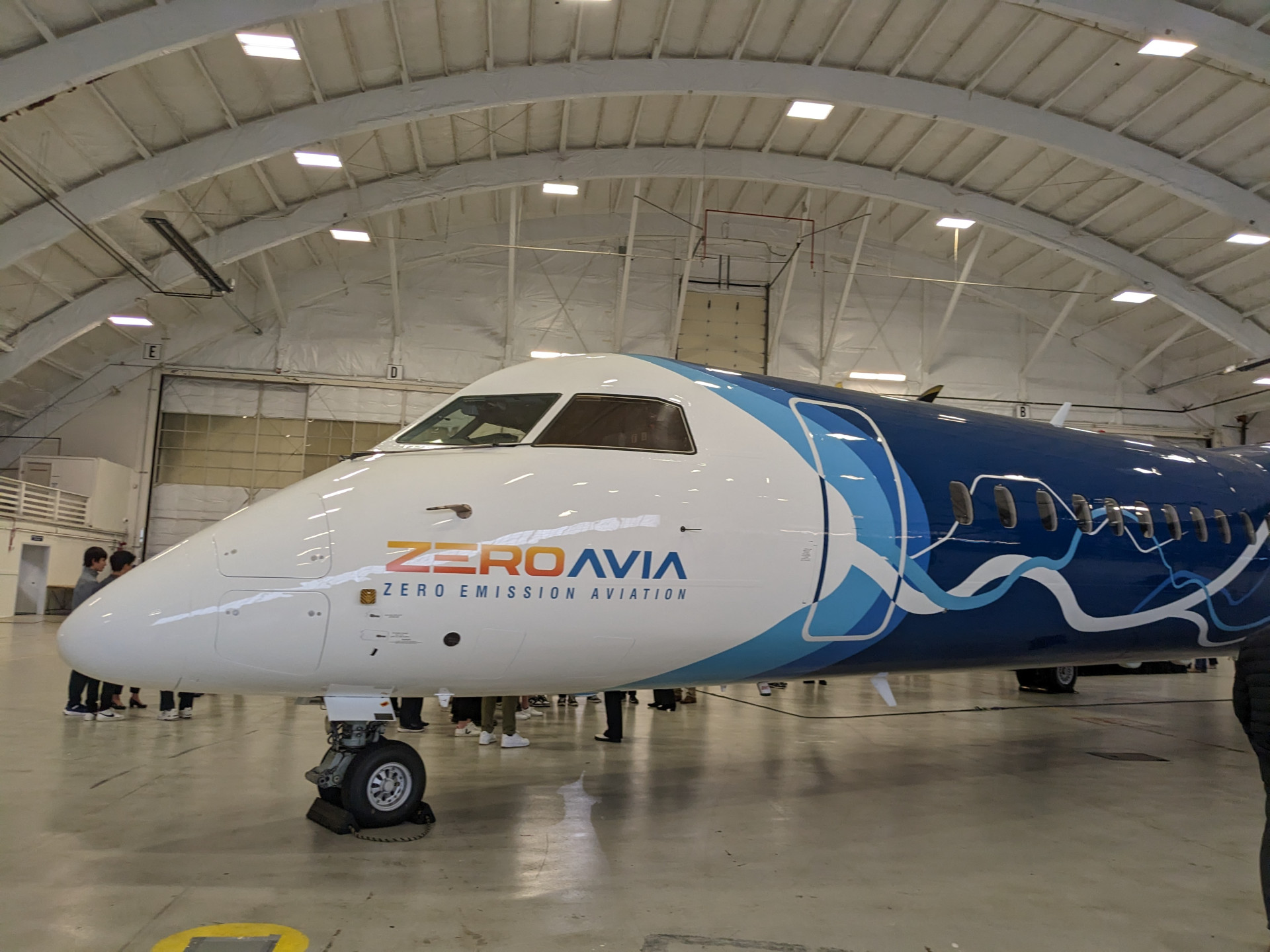
There was a time, not very long ago, when the tarmac at Paine Field in Everett, Washington, felt like the absolute center of a green aviation revolution. In the spring of 2023, the air was thick with optimism as ZeroAvia, a pioneering startup founded in California in 2017, proudly unveiled a retired Alaska Airlines Q400 turboprop aircraft. Dressed in the startup’s signature navy and sky-blue livery, the massive plane symbolized a bold, historic promise: to replace traditional, carbon-heavy fossil fuels with clean, zero-emission hydrogen propulsion. With major financial backing from visionary heavyweights like Bill Gates’ Breakthrough Energy Ventures and Jeff Bezos’ Amazon Climate Pledge Fund, ZeroAvia was flying on a wave of immense promise. The company’s expansion to Washington State, right in the formidable shadow of aerospace giant Boeing, was seen as a poetic passing of the torch from traditional aviation to the clean energy era. At the celebratory unveiling, then-Governor Jay Inslee stepped up to the podium, his voice filled with pride as he proclaimed that the largest hydrogen-powered commercial aircraft in the world was being built right there in the innovative heart of Washington. It was an era of unchecked momentum, where the dream of climate-neutral air travel felt not like a distant, romantic hope, but an imminent reality that was already taxiing down the runway.
Yet, three years after those heady proclamations, the landscape looks dramatically different, serving as a sobering reminder of how difficult it is to bring disruptive technologies to life. Today, the once-bustling 136,000-square-foot research and development facility in Everett sits quiet and unutilized, with almost all of ZeroAvia’s local operations completely shut down, save for a small sales team. The iconic Alaska Airlines Q400 turboprop, which was meant to champion this technological leap, was never retrofitted with the promised hydrogen powertrains, leaving its grand potential unfulfilled. In a sudden retreat from its West Coast roots, ZeroAvia closed up its operations in California, while its central engineering and product development efforts were quietly consolidated across the Atlantic in the United Kingdom. Adding to this sense of transition, the company recently announced that its charismatic founder and CEO, Val Miftakhov, has stepped down from his leadership role to seek other opportunities, followed by the departure of at least three other prominent C-suite executives. The bold, all-encompassing roadmap that once promised to quickly conquer the skies has had to be dramatically rolled back, leaving local observers and industry analysts to wonder how such a bright star could find itself so suddenly grounded.
The root of ZeroAvia’s struggle lies in the brutal, unrelenting physics of aviation, a sector widely acknowledged as one of the hardest to decarbonize. For all its environmental drawbacks, traditional jet fuel is an extraordinarily energy-dense miracle of chemistry, providing an immense amount of thrust while losing weight as it burns—a physical reality that batteries and hydrogen find incredibly difficult to mimic. While batteries are far too heavy for long-range commercial flights, hydrogen holds massive promise, yet it is notoriously difficult to store, transport, and regulate. This steep engineering mountain became even harder to climb when political winds shifted in the United States; though the Biden administration spent years building momentum for hydrogen infrastructure, the subsequent transition to the Trump administration brought deep federal funding cuts and a chilly skepticism toward green energy mandates. These macro-economic hurdles forced ZeroAvia into a tight financial corner, prompting reports that the company had to quickly raise $150 million just to ensure its solvency through 2028. Locally, community leaders like Snohomish County Executive Dave Somers and economic development director Daniel Tappana watched this retreat with a mix of deep sympathy and regret, noting that while emerging technology sectors are prone to extreme volatility, losing ZeroAvia’s footprint was a heartbreaking blow to a region with such rich aerospace bloodlines.
In response to these tightening financial and political pressures, ZeroAvia made the difficult decision to abandon its ultimate dream of building complete, end-to-end propulsion systems, choosing instead to focus its remaining resources on core hydrogen fuel cell technology. Where they once envisioned manufacturing everything from advanced electric motors to complex power electronics and massive propellers for 76-seat regional jets, their new, humbler strategy centers strictly on perfecting the fuel cell stacks themselves. By relocating their primary R&D focus to the United Kingdom, where public clean-energy grants are more reliable, the remaining engineering team is concentrating heavily on onboard hydrogen storage and localized refueling infrastructure. Rather than trying to certify and sell an entire airplane engine, ZeroAvia is now positioning itself as a component supplier, selling prototype fuel cell systems that other aerospace companies can buy and integrate into their own designs. To survive in the near term, the startup is also looking away from commercial passenger flights and toward defense contracts, exploring how their hydrogen fuel cells might power long-endurance military and cargo drones in remote, off-grid locations.
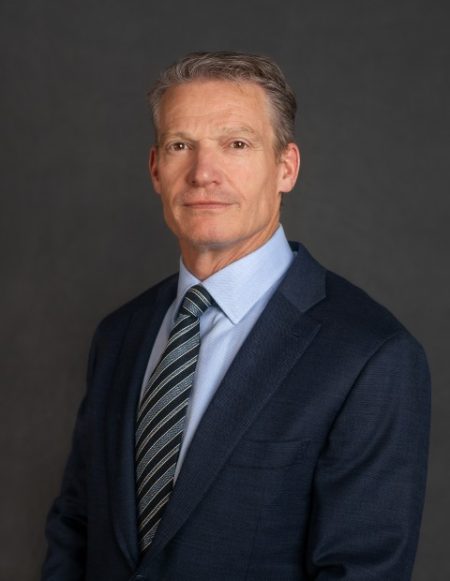
Despite the scaling down of their ambitions and the quiet hallways of their empty American facilities, the human heart of ZeroAvia refuses to admit defeat. Facing the daunting task of navigating this transition without a permanent CEO, the company’s board of directors has turned to Chairwoman Christine Ourmieres-Widener, who has stepped in to manage day-to-day operations while the search for a new leader continues. There is still a profound sense of duty among the remaining staff, epitomized by Chief Strategic Officer James McMicking, who insists that the core mission—to clean up the skies and drastically reduce the environmental cost of flying—remains entirely unchanged. McMicking maintains that this retreat is not a failure, but a tactical, mature adjustment to a stubborn market that simply was not ready to move as fast as their initial ambitions. Even the departed founder, Val Miftakhov, remains closely connected to the company’s trajectory from his home in California, serving as a reminder that the passionate builders who start these clean-tech crusades rarely walk away from them entirely, even when the corporate structure must be painfully dismantled to keep the lights on.
ZeroAvia’s turbulent journey is a reflection of the broader, high-stakes drama currently playing out across the clean aviation industry, where pioneering startups constantly teeter on the edge of survival. Just last year, Arlington-based Eviation Aircraft had to lay off a large portion of its staff despite having built a beautiful, fully electric plane, while California’s Universal Hydrogen completely ran out of money and was forced to permanently close its doors in 2024. Yet, in the face of these high-profile failures, a resilient contingent of believers, including companies like magniX, AeroTEC, and Beta Technologies, continue to push forward, knowing that the stakes for our warming planet could not be higher. When Universal Hydrogen shut down, its co-founder Jon Gordon shared a poignant message on social media, urging the public not to lose faith and pleading for companies like ZeroAvia to carry the torch forward because our collective global future depends on their success. Ultimately, the story of ZeroAvia is not one of final defeat, but of the heavy, exhausting, and deeply human work required to build a cleaner world—a reminder that the path to the skies is paved with setbacks, and that true innovation requires the courage to rebuild your dreams from the ground up.