






A City Braces for Another Blow: Starbucks and the Shifting Sands of Corporate Seattle
There’s a particular kind of quiet that settles over a city when a major employer decides to shrink its footprint. It’s not the silence of abandonment, but rather the hushed, anxious murmur of a workforce wondering who might be next. This week, that murmur grew a little louder in Seattle with the news that Starbucks, a name woven into the very fabric of the city’s identity, is letting go of another 224 people from its headquarters. But the story here is layered, a complex narrative of a company trying to reinvent itself against the backdrop of a changing downtown and an evolving economic landscape. It’s tempting to read the headline and simply think “more layoffs,” but a closer look reveals a company that is not just shedding jobs, but carefully repositioning its corporate body, moving parts of its central nervous system across the country while the heart of it tries to beat stronger here at home.
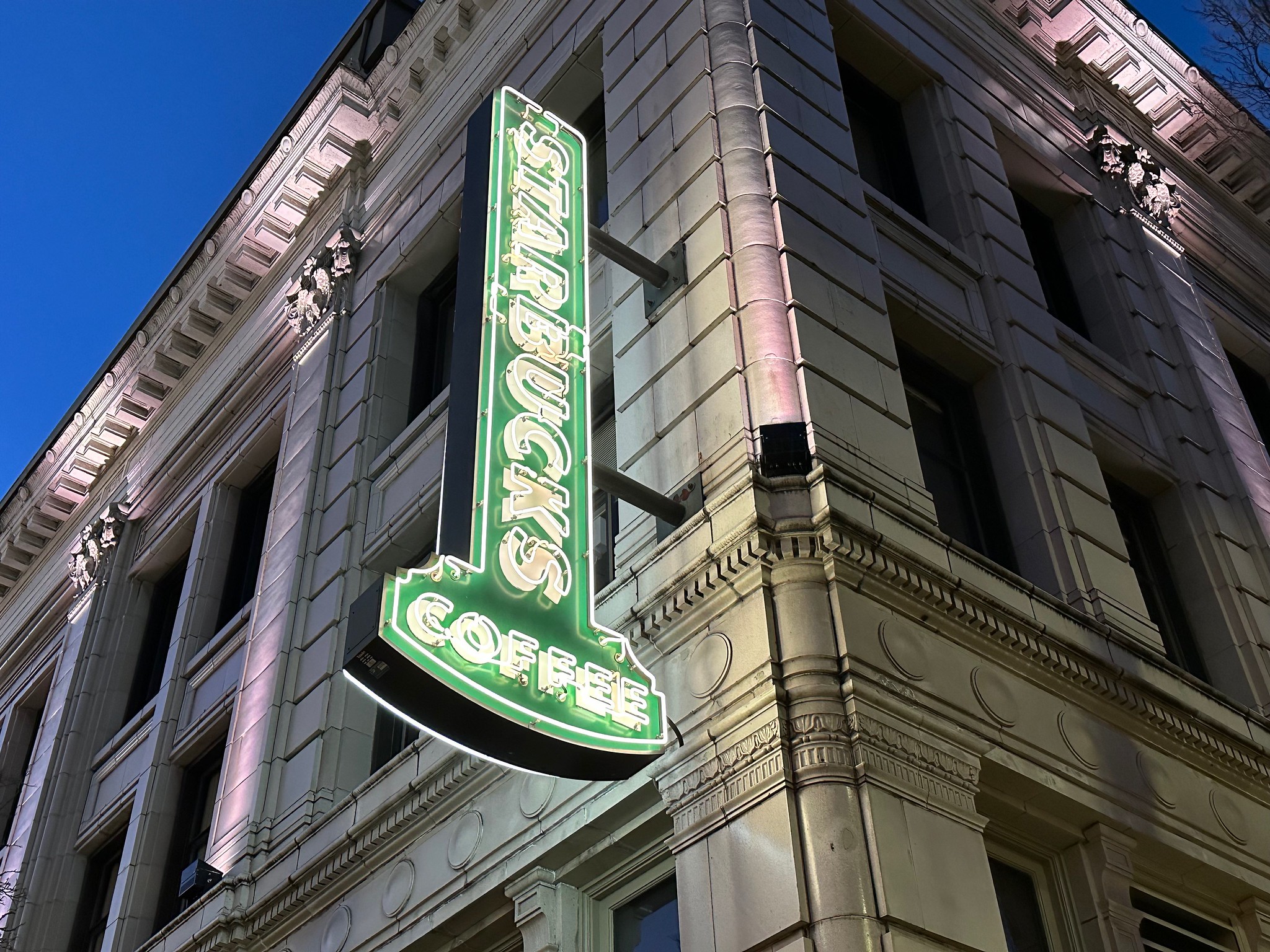
Walking past the historic Starbucks store in the city’s historic district, or seeing the familiar siren logo on a cup in the hands of a busy commuter, you feel the weight of this decision. These aren’t abstract numbers in a state filing; they represent colleagues, friends, and neighbors. The company, however, is keen to clarify that this isn’t a fresh wave of cutbacks rippling through the workforce. Instead, they insist, it’s the long shadow of a restructuring plan announced with much fanfare back in May, with these layoffs representing the final pieces of that puzzle falling into place. It’s a careful and delicate distinction, acknowledging the human cost borne by the city, while also framing these actions as a calculated, necessary step in a much larger plan to rejuvenate the company’s core focus. From the state’s perspective, these are just more data points in an ongoing story of corporate consolidation, but for those facing an uncertain future, the distinction between a new wave and a lingering effect offers little comfort.
The heart of the recent wave tells a tale of two very different choices forced upon employees. Roughly 120 of these latest roles belong to the employees who were given the chance to pick up their lives and move to Starbucks’ new grand Nashville support office. They were offered a chance at a fresh start under a red ison sign, but faced a choice that was never really about geography. To decline means to sever ties with the company they helped build. And so, they chose to stay, and the roles they vacated will be filled in Tennessee. This is no small footnote; it’s a pilot that paints a broader picture of a headquarters being sound-softly dismantled and reassembled for a cheaper, perhaps more modern, location elsewhere, all while the Seattle mothership loses some of its brightest minds who cannot or will not relocate for the promise of a job across country. The other 104 employees on that Thursday notice are part of the core and the essential functions that design, site, and build out the company’s store empires, the very physical composition of the brand. To see these roles go is to realize the transformation touches not just the corporate strategy, but the world’s physical identity of the franchise itself.
This isn’t an isolated event, but part of a larger narrative that began when new chief executive Brian Niccol took the helm in September 2024, after being brought in to steer the ship towards a clearer horizon. The change he has triggered is monumental, taking place on two fronts: the store-level technology and the simplification and a complete restructuring of the corporate ranks. The goals Met have been a complete overhaul that relies on shaking the corporate palace in Seattle, shaking its departments, and making way for a leaner, more agile company that is focused on getting customers their iced macchatos faster and more efficiently. The new filing reveals that this year, through all its twists and turns, Starbucks has now eliminated a total of 537 corporate jobs just tied to its Seattle operations. That figure is a bricks-and-mortar sign of the company’s sheer commitment to this new direction, creating a ripple of insecurity and realities that extends far beyond these cuts and into the broader Seattle economy.
Yet, to understand the full scope, one has to look outside of the boundaries of Washington State. This is a cost-cutting implementation on a massive scale, with aims that have been made clear: around $2 billion in savings over the next two years. The company has already reduced its corporate workforce by more than 2,300 since last year, according to news reports. The changes are driven by a clear directive from the top to make the company more profitable, lean, and responsive. At the same time, the company is consolidating support functions in Nashville, a $100 million bet that the future of its corporate teams will be spread out, not bulky in one city. But, the company also promises that most of its corporate teams will stay embedded in the Pacific Northwest, holding onto the idea that the coffee giant’s home roots remain in Seattle, even as it reaches out its supporting branches to other states.
There is a separate mention about the timing of these cuts for the design and store development staff. The business logic, though frustrating for those affected, reveals the human element of process. The person in charge of that design group, Stephen Piacentini, didn’t even join the company until a month later on April. This isn’t a cheap piece of news; it’s a window into the chaos that unfolds behind the scenes of any major corporate reorganization, illustrating how a change in leadership can algorithmically shift the timelines and decisions for people who have no connection to that executive change. It essentially means the last shoe had to wait to drop until the new leader had a chance to review his new territories and get the lay of the land, leaving a group of store designers in Seattle with their own futures up in the air while new leadership got their bearings.
In the end, these layoffs are a clear a message about how brands are shifting strategies to weather the economic storm. And for the city of Seattle, which has been watching its once-buzzing downtown fight to remain vibrant, the news is a complicated blow. On one hand, they are seeing one of its largest and most admired constituents trimming its local presence. On the other, they see a company charting a path for the future, investing in technology to upgrade its stores and pouring money into its future in other parts of the country. The emotional pulse of the change is that of a city watching a giant adapt, feeling the tremors at drinking their morning coffee.