





Seattle is on the brink of making history. In the coming weeks, the city is poised to become the first in the nation to ban a controversial practice known as “surveillance pricing” – the use of personal data to charge different shoppers different prices for the same items. It’s a concept that sounds like science fiction, but the technology is already here, quietly embedded in the apps we use and the loyalty cards we swipe. The proposed Fair Pricing and Transparency Ordinance aims to stop grocery stores from using our digital footprints against us at the checkout line. The debate has drawn passionate reactions from all sides: industry groups warn it could kill the personalized discounts we’ve all come to love, while consumer advocates argue it’s a necessary line in the sand against a future where the price on the shelf isn’t the real price at all. As the Seattle City Council gears up for a final vote, the entire country is watching to see if this ambitious effort will actually lower your grocery bill or simply change the way we think about the cost of a loaf of bread. The implications reach far beyond the aisles of your local store, touching on fundamental questions of privacy, fairness, and the role of government in an increasingly cashless, algorithm-driven world.
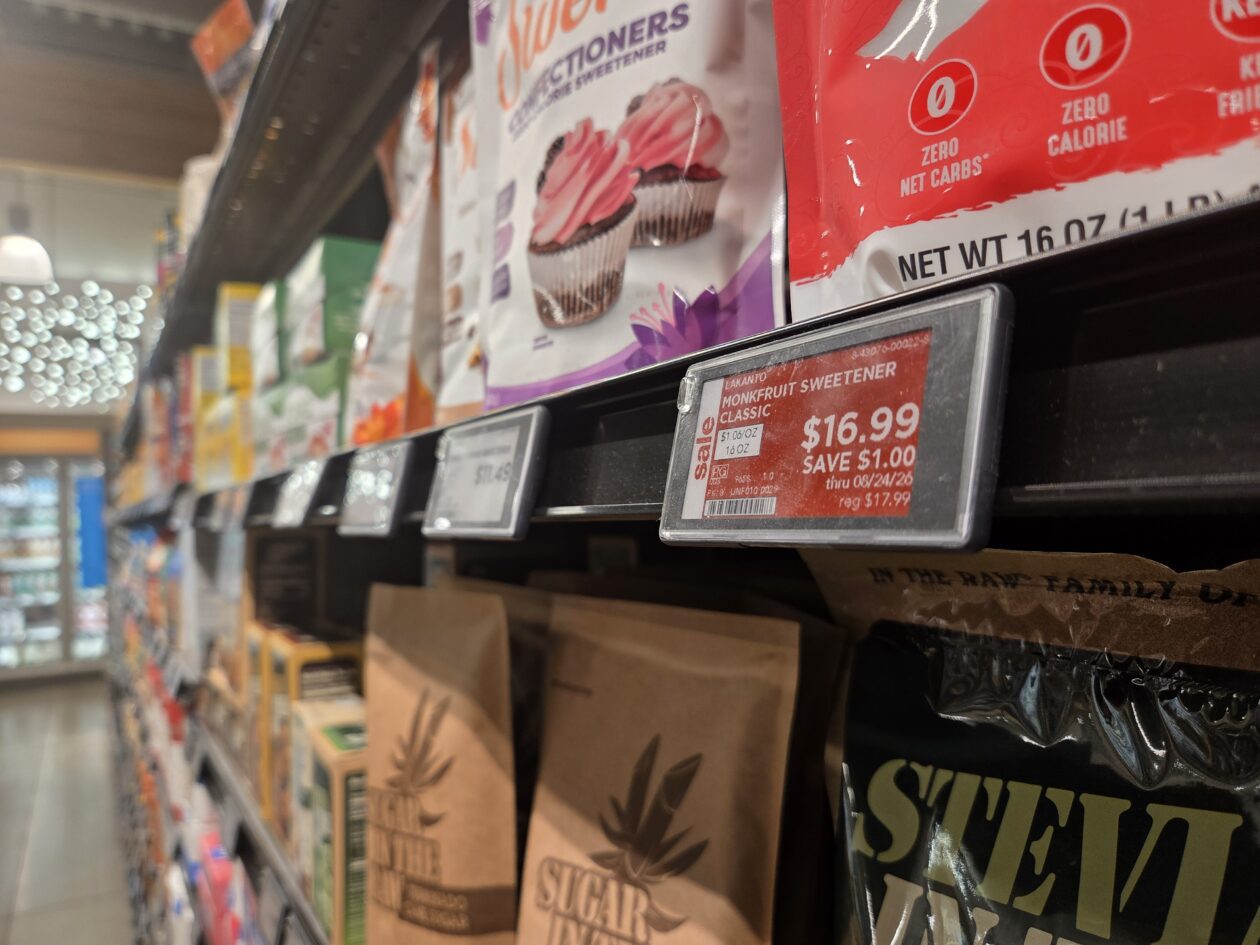
To truly grasp why this ordinance exists, you need to understand how weird grocery shopping has become. Remember the outrage in late 2025 when a Consumer Reports investigation exposed Instacart for running “randomized experiments” that resulted in some shoppers paying about $10 more for the exact same cart of groceries at a Seattle-area Safeway? The company quickly pulled the plug on that particular program after the backlash, but the damage was done—the curtain had been pulled back on a world where your online profile, not just the weather or shipping costs, could affect the final tally. In physical stores, the technology is more subtle. We haven’t yet seen flashing digital price tags that change for each shopper in real time, but grocers like Kroger and Albertsons have already mastered a workaround. They don’t need to change the sticker price; they just send you a personalized digital coupon for $1 off your favorite cereal while your neighbor gets a different offer for a competitor’s brand. These hyper-targeted deals, based on your purchase history, web browsing, and even how likely you are to stray to a competitor, are the bread and butter of the modern grocery business. The federal government has taken notice—the FTC has proposed its own regulations. But Seattle’s ordinance is bolder, tackling the root of the problem by asking a deceptively simple question: shouldn’t the price you see be the price you pay, regardless of what a computer algorithm thinks it knows about you?
So, what exactly does this new law do? It doesn’t, as some alarmists have screamed, outlaw sales or coupons. In fact, the bill is meticulously careful to protect a wide range of discount. Loyalty programs? Those are fine, as long as you opt-in and the criteria are clear. Student or senior discounts? Completely fine. Volume discounts, manufacturer coupons, and bulk-buying deals? All still on the table. What the ordinance does is draw a bright line: grocers with more than twenty locations globally cannot use algorithmic pricing to set an individual price for a consumer based on that person’s personal data, whether they’re checking out at a physical register or online. It’s a direct response to the fear that the digital shelf labels popping up in stores are just a precursor to dynamic pricing. To appease skeptics, the council has already made compromises. Small grocers and convenience stores are exempt. Electronic shelf labels themselves are allowed, just not for displaying algorithmically determined prices. It’s a carefully negotiated piece of legislation, but the heart of the bill remains a bold bet: that you shouldn’t have to worry that your neighbor is paying $3.50 for your $4.50 quart of milk because you bought a premium brand last week.
Industry groups, led by the Northwest Grocery Retail Association (NWGRA), are up in arms. Their argument isn’t about the big bad wolf of data exploitation; it’s about the loss of the nice, friendly, and most importantly, profitable discounts. They claim that in their frantic attempt to vilify high prices, the council is inadvertently slashing the very coupons and rewards programs that help families stretch their paychecks. They point to the fact that their algorithms often work in the consumer’s favor, offering deep discounts to lure in price-sensitive customers who might otherwise shop elsewhere. “We support what the council is trying to do,” said Amanda Dalton, a lobbyist for the grocers, “but we need to keep our ability to offer pro-consumer deals.” But their biggest fear is the bill’s enforcement mechanism: a private right of action. This means that any customer who suspects they were charged an algorithmically-adjusted price can sue, with civil penalties of up to $3,000 for the first offense and $10,000 after that, with a $1 million cap on class actions. To an industry that runs on razor-thin margins, this is a litigation bomb, and they argue it could actually lead to fewer discounts, not more. Their solution? Just ban raising prices with algorithms, but explicitly allow them to be used to lower them.
Consumer advocates, however, see that suggestion as a wolf in sheep’s clothing, a loophole big enough to drive a fleet of delivery trucks through. Grace Gedye, a policy analyst at Consumer Reports, puts it bluntly: “That creates an incentive for retailers to inflate the list price and offer personalized discounts to each person based on their individual willingness to pay.” The bill’s proponents also point to the powerful, and often overlooked, fact that grocery workers – the people who actually have to face us at the register – overwhelmingly support the ban. Workers like J’Nee DeLancey, a clerk at Ballard Town and Country, explain how personalized pricing would turn their staff into the de facto enforcers of confusion and resentment. They’re the ones who would have to handle the angry, confused customers when the price at the register doesn’t match the price scanned at the shelf. It’s the classic case of the employer bearing the brunt of the reputational cost, and it’s a compelling human argument. This isn’t about a theoretical abstraction anymore; it’s about a cashier having to explain to a single mom why her baby formula costs $10 more than the cashier’s, simply because of their shopping history. The human face on this issue isn’t a venture capitalist or a tech CEO, but a minimum-wage employee trying to de-escalate a situation they had no part in creating.
The political calculus is surprisingly strong for the bill’s passage. It was a key campaign promise of Mayor Katie Wilson and has a solid majority on the council behind it. While there are always concerns, the recent Central Staff Memo signaling support despite some industry back-and-forth suggests a path forward. The City Attorney’s office, though initially flagged for a potential lack of capacity to enforce the law, has come out in “full support,” indicating they can manage the workload. Even the loyalty program issue, which initially seemed like a fatal flaw, has been smoothed over with the explicit carve-out that allows for opt-in programs. This isn’t just a victory for consumer rights; it’s a victory for the idea that government can be a check on emerging technologies. While the tech industry and their lobbying arms have threatened endless legal battles, arguing the law is vague and will create a “chilling effect” on all kinds of beneficial discounts, the momentum is on the side of those who believe in pricing fairness. We live in a world where data is the new currency, and this ordinance is a declaration that on the corner of Everyman and Fair Value, we’d rather just pay the same price as our neighbor. The city is set to vote in September, and all eyes are on the Emerald City to see if it can turn this promise into a new blueprint for the rest of the country.