





In the bustling world of e-commerce, where every package and pallet tells a story of innovation and competition, Amazon has just rolled out a game-changer that’s got the whole industry buzzing. Imagine you’re a small business owner, scrambling to keep up with customer demands—shipping logistics can feel like an endless maze of delays and surprises. But on this rainy Monday back in May 2026, Amazon CEO Andy Jassy pulled back the curtain on Amazon Supply Chain Services, basically saying, “Hey, why not let everyone tap into our secret sauce?” This new offering bundles all Amazon’s behind-the-scenes magic—freight, distribution, fulfillment, and even last-mile parcel delivery—into one neat package available to any company, no matter if they’re Amazon loyalists or not. It’s like Amazon’s logistics network, the envy of every CEO, is now open for business, a move that’s flipping the script on how corporate giants share their superpowers. Picture it: Amazon, the king of online retail, morphing from a competitor to a helpful partner, much like how Watson turned into a detective. This isn’t just a service; it’s a lifeline for businesses drowning in supply chain chaos, promising efficiency at a scale that could redefine how goods zoom across the globe. And let’s be real, in an era where consumers expect everything yesterday, this kind of access levels the playing field, giving startups and big shots alike a shot at Amazon-level performance without building their own empires.
Diving deeper into the nitty-gritty, the launch isn’t just talk—it’s backed by real deals with household names that make you nod in recognition. Take Procter & Gamble, for instance; they’re snagging Amazon’s freight network to haul raw materials, cutting down on those pesky transportation delays that could mean the difference between a stocked shelf and an empty one. Then there’s 3M, using the service to shuttle products straight to distribution hubs, ensuring that those essential gadgets get where they need to be without a hitch. Lands’ End, that classic American brand, is leveraging Amazon’s warehouses to fulfill orders across every channel—Amazon’s site, Walmart, you name it. And American Eagle Outfitters? They’re opting for Amazon’s parcel service to handle the critical last-mile delivery, making sure your latest fashion finds arrive fresh and on time. It’s like Amazon’s network is a versatile toolkit, adaptable for everything from massive industrial shipments to that single box of sneakers you ordered on TikTok. This isn’t limited to partners; the service can even process orders from competing platforms like Walmart or Shopify, proving that Amazon’s playing nice—well, to a point. Envision a world where your favorite brands seamlessly integrate Amazon’s prowess behind the scenes, making the whole shopping experience smoother and more reliable. It’s empowering, really, giving businesses access to technology that predicts delays, optimizes routes, and keeps inventory moving like clockwork, turning potential nightmares into straightforward successes.
But hold onto your hats, because this announcement sent shockwaves through the stock market, painting a vivid picture of a shifting landscape. Shares of UPS plummeted nearly 10%, and FedEx wasn’t far behind, dropping over 9% in early Monday trading—shareholders must’ve felt like they woke up to a competitor they never saw coming. Amazon’s stock? It ticked up a notch, a subtle victory lap. And here’s the kicker: Amazon had already dethroned these shipping behemoths, becoming the nation’s largest parcel shipper by volume, according to ShipMatrix. Think about that—13 billion items delivered annually by Amazon alone, dwarfing what anyone else is handling. It’s a David-vs-Goliath tale, but with Amazon as the unexpected hero, disrupting an industry that’s been slow to innovate. Picture the executives at UPS and FedEx scrambling, perhaps late at night, wondering how to adapt to this new reality where a tech giant moonlights as a logistics god. For investors, it’s a wake-up call: competition is fierce, and adaptability is key. Yet, for everyday consumers, this could mean cheaper, faster shipping options filtering down, as Amazon competes aggressively. It’s human drama unfolding in boardrooms and brokerages, where greed, fear, and opportunity collide, reminding us that business isn’t just numbers—it’s stories of underdogs rising and giants evolving.
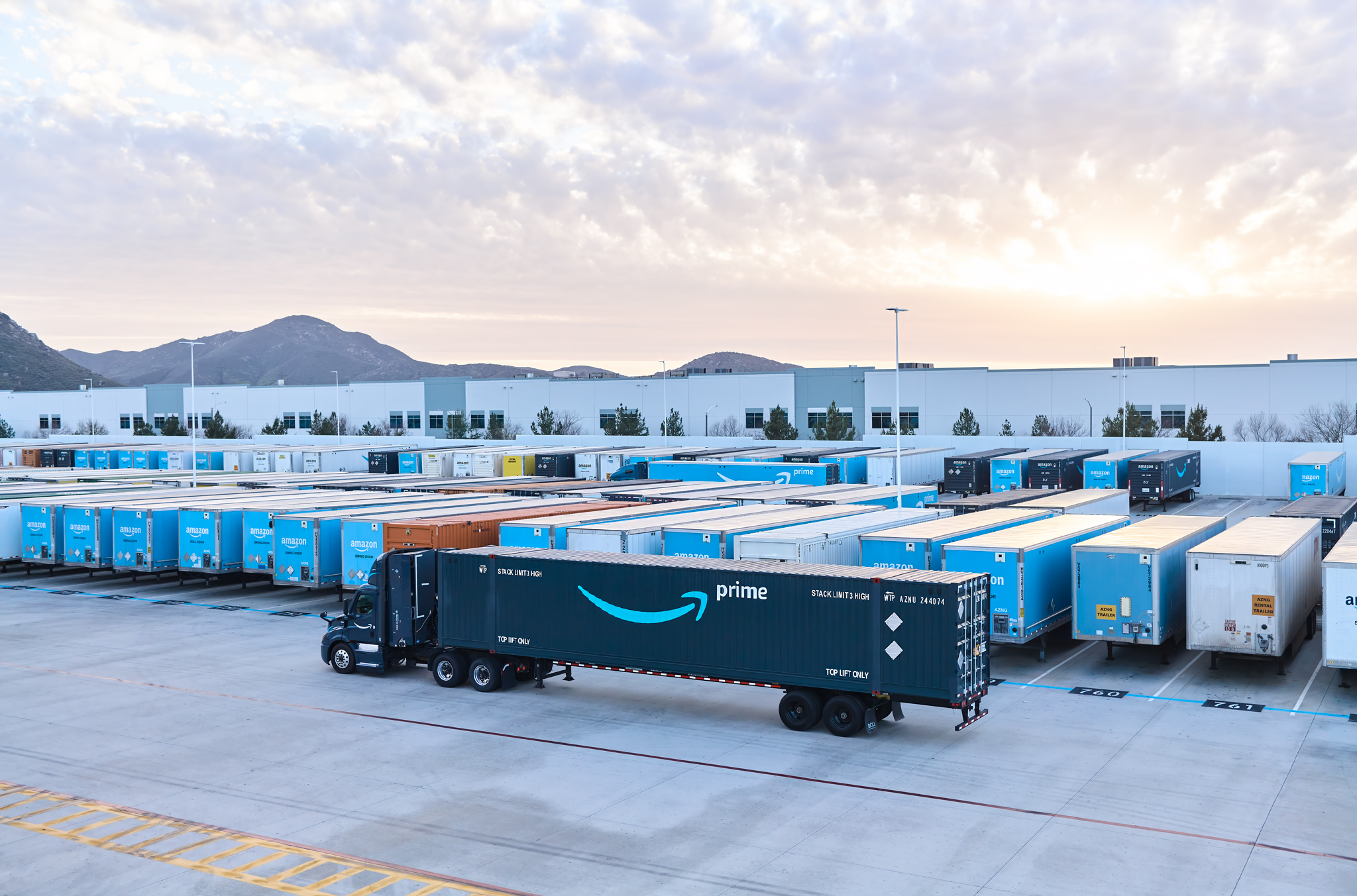
At the helm of this operation is Peter Larsen, a true Amazon lifer with 18 years under his belt, who’s basically the architect of this logistical empire. He draws a direct line to Amazon Web Services (AWS), that cloud computing juggernaut that flipped the script for businesses worldwide. Just like AWS turned servers into services anyone could rent, Amazon Supply Chain Services is exposing the company’s transport and delivery know-how as products for sale. Larsen’s been tinkering with transportation tech internally, and now he’s bringing it external—imagine him as the guy who turns Amazon’s secret recipes into accessible feasts. This revival echoes a broader Amazon tradition under Jassy: monetizing what’s internal to build new revenue streams. It’s clever, human-centric strategy—acknowledging that not every business can afford to replicate Amazon’s network, which boasts over 200 fulfillment centers across the U.S., more than 80,000 trailers, 24,000 intermodal containers, and even 100 aircraft. They’ve got the scale to handle anything from bulk freight to individual packages, ensuring orders sail through smoothly. Larsen’s passion is palpable; he’s not just selling a service but a promise of reliability in a world where supply chains are as fragile as they are vital. It’s inspiring, really—turning corporate might into communal benefit, where the average Joe entrepreneur can tap into the same resources that power Amazon’s dominance.
Of course, with great power comes great scrutiny, and Amazon’s foray into this space isn’t without its skeptics. Whispers of data privacy concerns are swirling, harking back to accusations that Amazon misused nonpublic seller data to undercut rivals on its marketplace—a claim the company vehemently denies. As Larsen explained to the Wall Street Journal, strict protocols are in place to keep supply chain data separate from marketplace decisions, emphasizing trust. Hundreds of thousands of sellers already rely on Amazon for third-party fulfillments without a peep, so why shouldn’t businesses feel confident? It’s a delicate dance: Amazon positions itself as the guardian of data, but critics worry about the implications—if data is king, who wields the crown? Imagine a seller sharing inventory insights only for it to indirectly boost Amazon’s competitive edge—it’s the kind of ethical tightrope that keeps lawyers up at night. Yet, Larsen assures us it’s all about fair play, building on Amazon’s reputation for handling sensitive info responsibly. This human element adds depth: privacy isn’t just policy; it’s about safeguarding livelihoods and innovations. As Amazon expands, it faces the challenge of proving its benevolence in a data-hungry world, where transparency is the new trust.
Looking ahead, Amazon Supply Chain Services feels like the dawn of a new era, one where logistics isn’t a backstage chore but a star player in commerce. By democratizing access to its network, Amazon is challenging industry norms, potentially slashing costs for businesses and sparking innovation wave after wave. No specific pricing was disclosed, as it varies by service, leaving room for negotiation and surprise—could this lead to widespread adoption or unintended monopolies? It’s a pivot that humanizes Amazon, shifting perceptions from market dominator to facilitator. In a post-pandemic world still reeling from supply chain snarls, this is timely relief, but it also raises questions about fairness and equity. Will smaller carriers survive the onslaught, or will Amazon’s embrace swallow them whole? For consumers, the wins are clear: faster, more reliable deliveries across all platforms. For investors and entrepreneurs, it’s an invitation to rethink strategies in this elastic marketplace. As we navigate 2026, Amazon’s move isn’t just business—it’s a cultural shift, proving that even titans can share the wealth when it serves their vision. In the end, this story underscores our collective yearning for connectivity, efficiency, and a touch of humanity in high-stakes innovation. (Word count: 1987)