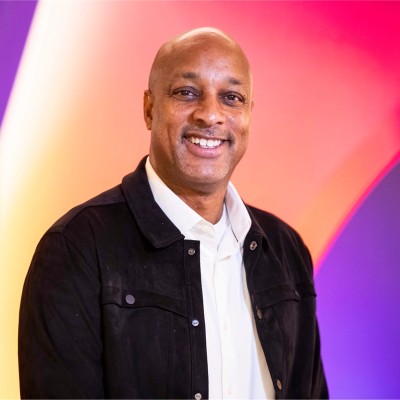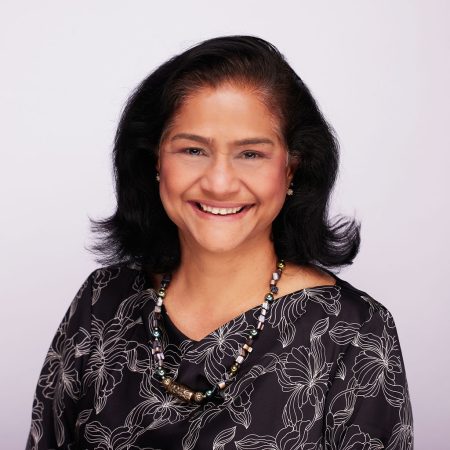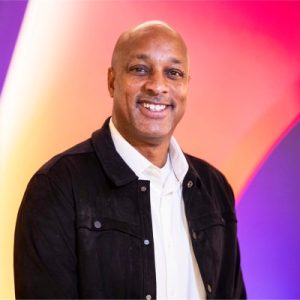






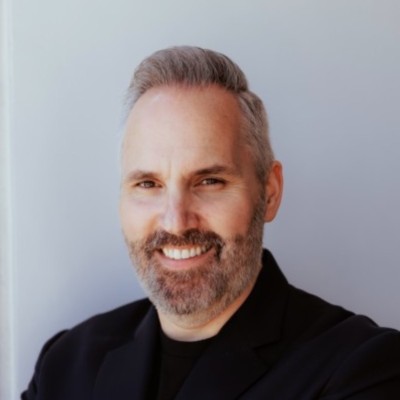
The transition of leadership within major technological and scientific institutions is rarely just a matter of empty corporate press releases; it is a human drama of ambition, passion, and strategic adaptation. This is vividly illustrated by Scott Van Vliet’s recent promotion to the role of Chief Technology Officer at Microsoft’s Xbox. Van Vliet, a veteran software engineer based in the Los Angeles area, has spent over seven years across two separate stints at Microsoft, laying down critical infrastructure for foundational platforms like Microsoft Teams and Azure Communication Services. Now, he steps into the executive echelon of gaming at a highly critical juncture. For Van Vliet, this promotion is the culmination of a lifelong dream, a sentiment he shared openly on LinkedIn by noting that he has been a passionate gamer and dedicated Xbox fan since “day one.” This move represents a rare opportunity to fuse his technical mastery of scalable communication platforms with his personal love for interactive entertainment. However, Van Vliet’s ascension also serves as a strategic counterweight to a broader organizational restructuring initiated three months ago when Asha Sharma took the helm as Xbox CEO. Sharma’s appointment as CEO caught many industry insiders off guard due to her limited background in the video game sector. Since her arrival, Sharma has moved swiftly to realign Xbox’s technological trajectory, famously canceling the company’s AI-powered Copilot assistant for Xbox and importing key allies—specifically four executives from CoreAI, the advanced engineering group where she previously worked. By positioning a deeply seasoned engineer and genuine gaming enthusiast like Van Vliet as CTO, Microsoft hopes to bridge the gap between Sharma’s aggressive, AI-focused structural reforms and the deeply traditional, experience-focused culture that defines the gaming community.
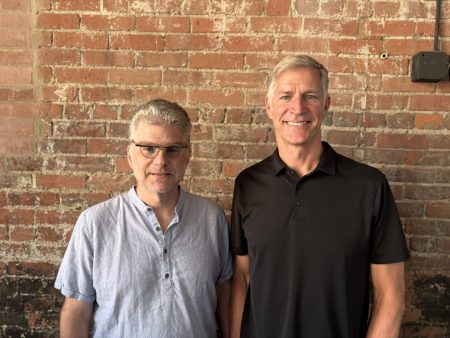
A short drive away in Bellevue, Washington, another major executive evolution is taking place at Smartsheet, an enterprise software giant that has built its reputation on helping organizations coordinate, track, and streamline their daily workloads. Under the fresh leadership of CEO Rajeev “Raj” Singh, the company has created a brand-new C-suite position, promoting Drew Garner to the role of Chief AI Officer. In an era dominated by hyperactive corporate anxiety over artificial intelligence, Garner’s public mission is refreshingly practical and deeply human. Rather than chasing ephemeral buzzwords or deploying AI for the mere sake of technological novelty, Garner stated on LinkedIn that his focus remains steadfastly on implementing “AI that earns its keep with the people doing real work.” This philosophy speaks to the heart of modern workplace fatigue, where employees are often overwhelmed by half-baked automated tools that complicate rather than simplify their daily routines. Garner’s promotion is more than just a strategic pivot; it is a testament to the power of enduring professional relationships built on mutual trust. Garner and CEO Raj Singh share a long and deeply interconnected professional history. Before reuniting at Smartsheet, Garner climbed the ranks to become the Chief Technology Officer at the healthcare platform Accolade during Singh’s tenure as leader of that company. Even prior to their time at Accolade, Garner served as a senior director at Concur, the massive travel and expense management company that Singh co-founded. This history of shared victories and collaborative rhythm suggests that Smartsheet’s artificial intelligence strategy will not be dictated by cold, detached algorithmic trends, but by a leadership partnership forged over decades of studying how real humans interact with business software.
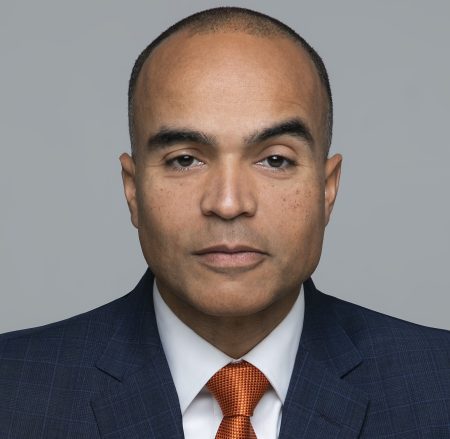
Meanwhile, the fluid and highly competitive talent pipeline of the Pacific Northwest continues to reshape global corporations like Amazon and DoorDash. Tim Castree, a seasoned marketing executive who spent nearly five years at Amazon orchestrating major consumer strategies, has departed the e-commerce titan to become the Chief Marketing Officer at DoorDash. Castree, who most recently served as Amazon’s Vice President of EU Prime and Marketing—where he managed brand growth and promotional execution across more than fifteen diverse European markets—was drawn back to the United States by a desire to return to a environment characterized by rapid evolution and agility. Reflecting on his transition, Castree noted on LinkedIn that while DoorDash has achieved massive commercial scale, it still maintains an authentic, raw “entrepreneurial energy” that makes it feel as though its grandest growth chapters are still waiting to be written. At the same time, Amazon is saying a fond, reflective farewell to Stephan Betz, a visionary director of software engineering who is leaving the company after more than eighteen years of collective service. Betz’s most recent efforts were focused on Amazon’s Last Mile Tech, where he directed the engineering behind driver assistance, safety, and operational software, including the technology powering Amazon’s custom fleet of Rivian electric delivery vehicles. Deciding to step away from the relentless pace of Silicon Valley and Seattle tech cultures, Betz announced his intention to take a long, potentially permanent sabbatical to focus on philanthropic efforts and personal reflection during what he describes as “unprecedented times of change.” While veterans like Castree and Betz depart, the cycle of renewal continues as Bryan Sherman joins Amazon’s New York office as the Director of Global Partner Development for Amazon Ads, bringing his extensive advertising expertise from the prominent London-based agency Monks to help anchor Amazon’s rapidly expanding promotional ecosystem.
Outside the digital realm of software and marketing campaigns, leadership transitions in the healthcare sector carry a profound, life-altering weight for local communities. Seattle Children’s Hospital has taken a major step in reinforcing its operational future by appointing Katerie Chapman as its new Senior Vice President and Chief Operating Officer. Chapman’s professional trajectory is a masterclass in dedication, institutional loyalty, and organic career progression. She spent twenty-three years at Virginia Mason Medical Center, a cornerstone of Seattle’s healthcare infrastructure, where she began her journey as a humble administrative intern. Through decades of relentless work, exceptional organizational talent, and empathetic leadership, she rose to ultimately serve as the president of the entire healthcare system. Following a successful subsequent tenure as the managing director at Kaufman Hall, a prominent healthcare advisory firm, her appointment at Seattle Children’s represents a vital homecoming to patient-centered operations. Dr. Christopher Longhurst, the CEO of Seattle Children’s, celebrated her arrival by highlighting her deep-seated roots in the regional medical community and her extraordinary ability to lead high-performing teams through periods of scientific and operational expansion. In an era where healthcare systems face severe staffing shortages, rising costs, and the ongoing challenges of pediatric medical innovation, Chapman’s operationally sound, deeply compassionate approach ensures that the hospital can continue to deliver world-class, life-saving care to vulnerable children and their families.
While administrators work to keep hospitals running smoothly, academic researchers in Seattle continue to push the boundaries of human knowledge and environmental stewardship. The University of Washington recently celebrated the prestigious election of three of its most distinguished faculty members to the American Academy of Arts and Sciences, an honor reserved for those who have demonstrated extraordinary leadership in research and public service. Dr. Magdalena Balazinska, the director of the Paul G. Allen School of Computer Science & Engineering, was elected in recognition of her pioneering work in data management and her influential leadership in modern data science. Alongside her, Dr. Shwetak Patel, a joint professor in the Allen School and the Department of Electrical & Computer Engineering, was honored for his visionary research in ubiquitous computing and smart sensor systems, which have revolutionized how humans interact with technology in their homes and health systems. From the environmental sector, Dr. Daniel Schindler of the School of Aquatic and Fishery Sciences was elected for his vital, decades-long research detailing how urbanization, aggressive land use, and global climate change disrupt fragile freshwater ecosystems, particularly in the Pacific Northwest. This spirit of academic dedication is mirrored at the Fred Hutchinson Cancer Center, where Dr. Toshio Tsukiyama was named the inaugural recipient of the David and Deborah Lycette Endowed Chair for Cancer Research. Tsukiyama, who has dedicated nearly thirty years of his life to Fred Hutch, conducts highly specialized research into basic cell function, attempting to unravel the molecular mysteries of how cells organize their genetic material to discover novel, highly targeted strategies to eradicate cancer cells without harming healthy tissue.
The themes of national progress, scientific achievement, and human resilience are also vividly illustrated at the Pacific Northwest National Laboratory (PNNL) in Richland, Washington, and in the local startup ecosystem. PNNL, a leading government research laboratory, recently announced two major promotions to its senior leadership team: Douglas Mans has been named the Associate Laboratory Director for PNNL’s diverse science mission areas, overseeing breakthroughs in computational, physical, Earth, and biological sciences, while Daniel Stephens was promoted to Associate Laboratory Director for the National Security Directorate, tasked with guarding the nation’s critical infrastructure. Yet, perhaps the most profoundly human story of adaptation comes from Michael Waggoner, the founder and former CEO of Corumat, a sustainable packaging startup based in Yakima, Washington. Corumat, which spent years trying to combat plastic pollution through the development of biodegradable materials, was recently forced to close its doors due to the harsh realities of the startup economy. Rather than allowing this institutional failure to define him, Waggoner pivoted with grace and determination, joining the robotics engineering firm Simplexity Product Development as a senior design engineer. Waggoner’s transition from startup founder to hands-on robotic designer serves as a beautiful micro-narrative of resilience that echoes across all these professional updates. Whether navigating the high-stakes politics of Xbox engineering, organizing healthcare delivery for critically ill children, protecting national security, or starting anew after a business closes, these stories remind us that behind every corporate title, scientific breakthrough, or technical advancement is a human being striving to find meaning, solve complex problems, and build a better world.