


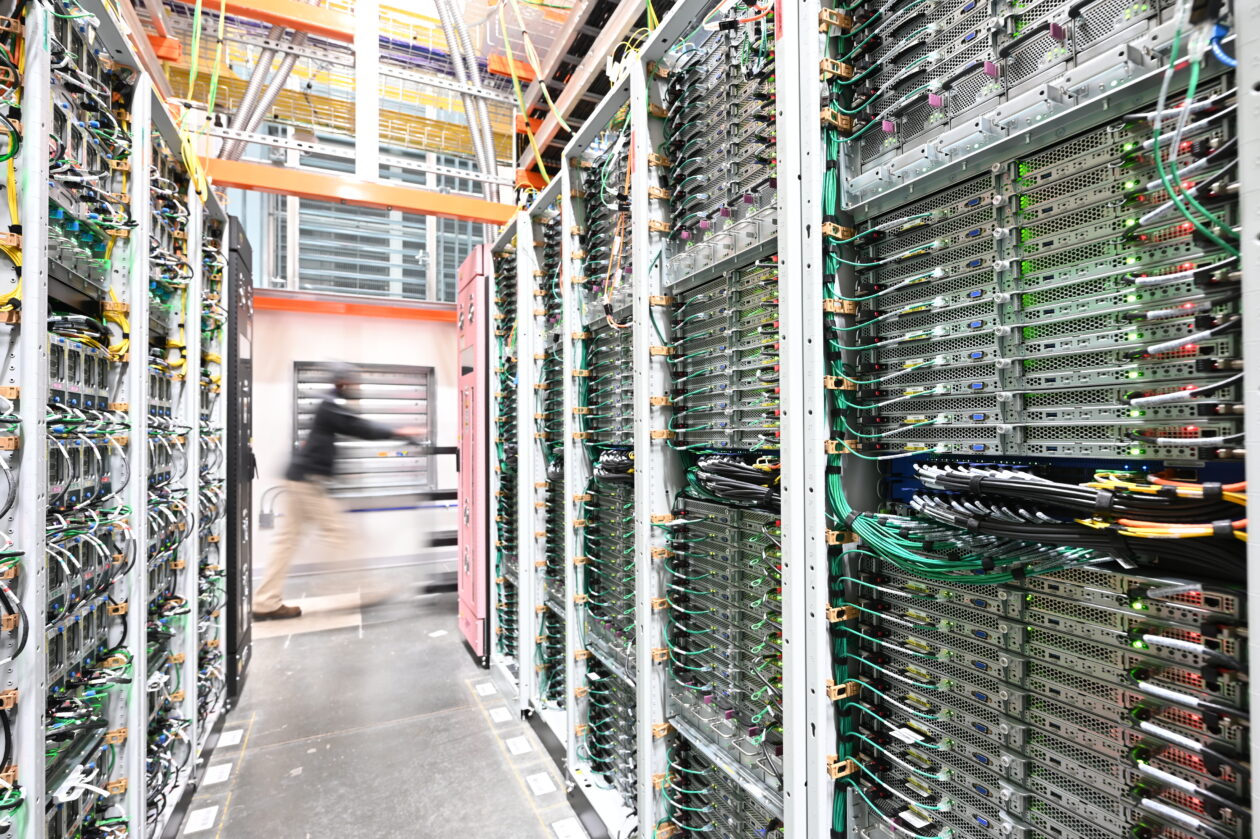
For years, Amazon has been the defining corporate presence in the Pacific Northwest, its Seattle headquarters and tech campuses shaping the region’s economy and identity. But until now, the company’s vast cloud-computing arm has never planted its signature data centers in Washington, its home state. That is about to change. Amazon is moving forward with plans to build its first Washington data centers, with a proposed campus in Walla Walla County and a second in the Tri-Cities area that the company confirmed this week. The timing, however, is fraught. The expansion comes during a nationwide reckoning over the rapid deployment of AI data centers, with residents and local officials increasingly questioning whether the benefits of these massive facilities outweigh the costs. Tuesday’s election underscored the new political reality: voters in communities across several states supported limits on new data center projects, reflecting worries about electricity demand, water use, noise, and the transformation of rural landscapes. In Eastern Washington, those concerns are already in sharp focus. The Amazon proposals have drawn calls for stronger environmental oversight, and some residents have asked for a temporary pause on all data center development until the region can understand the cumulative impact. For a company that has long been seen as the engine of the modern Northwest economy, this homecoming is not a simple triumph. It is an encounter with a part of Washington that is less dazzled by big tech and more concerned about what happens when industrial-scale computing arrives in small agricultural communities.
The two proposed campuses would begin modestly but could grow significantly over time. The Walla Walla County site is located in the Wallula Gap Business Park, a roughly 134-acre property near the Columbia River that was formerly owned by the Port of Walla Walla. Amazon initially plans to build three single-story data center buildings there, which the company says would create approximately 120 to 150 full-time jobs. The second campus, in West Richland, is far larger. It sits on a 1,000-acre property in the Tri-Cities area, and while the first phase would also include just three data center buildings, the full build-out could eventually expand to 21 buildings. A fully developed campus would create more than 1,000 full-time data center jobs, according to Amazon. The property was originally purchased from the estate of agricultural businessman Frank Tiegs, who died in 2024, by the Dallas real estate firm Trammell Crow, which then sold it to Amazon. The West Richland location is striking not only for its size but for its proximity to people. About 200 homes are near the planned campus, and residents have made clear they do not want the project to unfold without stricter safeguards. At a city council meeting Tuesday evening, council members declined to pass a temporary moratorium on data centers, but they did adopt new rules: they removed a noise exemption for data centers, banned them from light industrial zones, and prohibited cryptocurrency mining. The decision was a compromise, acknowledging both the economic potential and the community’s unease. Amazon says it wants to engage directly with neighbors, and it plans to hold a community open house on Nov. 19, described as a “science fair” format with experts staffing booths on water and energy usage, job creation, noise, and environmental impacts.
The public record in Walla Walla County offers a more detailed picture of the skepticism Amazon faces. During a 30-day comment period that closed Oct. 12, the county received 706 submissions about the proposed Wallula Gap campus. According to an analysis by the Walla Walla Union-Bulletin, only 23 of those comments—about 3 percent—supported the project outright. Most of the supportive comments came from the local area, and many of them conditioned their approval on stronger oversight of the facility’s environmental impacts. More than 500 comments came from outside Walla Walla County, many using template language that called for a full Environmental Impact Statement, a far more rigorous review than the one currently required. The land is zoned for “industrial agriculture – mixed” applications, which Amazon says includes data centers, but to many residents the proposed use feels out of place in a region known for farms, vineyards, and the river that runs through it. The site sits near the Columbia River, and people are concerned about water consumption, stormwater runoff, the visual intrusion of large industrial buildings, and the noise of backup diesel generators. The fact that so many comments arrived from outside the county suggests that the debate has become part of a broader regional and national conversation about data centers, not just a local land-use dispute. For Amazon, this means the open house in West Richland will be more than a routine community meeting. It will be a test of whether the company can convince a wary public that it will be a responsible neighbor in a state it calls home.
Amazon insists it has heard those concerns and is prepared to address them. In a set of FAQs for the two sites, the company directly tackles electricity costs, water use, noise, and property taxes. On energy, Amazon says it will work with local utilities and other officials to ensure that its data centers do not raise electricity bills for people in the surrounding communities. It notes that it matched all electricity consumed across its global operations with renewable energy sources in 2023 and 2024—though that company-wide accounting measure does not mean every individual facility operates entirely on renewable power around the clock. Amazon also points to its investments in nuclear energy, including billions of dollars committed to projects such as a proposed small modular reactor plant near the Tri-Cities that could come online in the 2030s. The company describes this as “net-new carbon-free energy” for the Pacific Northwest, including Eastern Washington. On water, Amazon touts efficiency rates that it says are better than other technology companies and far lower than irrigated farming. But critics note that those figures do not include water used in electricity generation. Many power plants rely on water to create steam and to cool equipment, and some of that water is lost to evaporation. On taxes, Amazon says it will pay 100 percent of its property taxes at both locations and will not seek tax breaks. The company says its tax payments will be higher than most industrial uses and will directly support schools, roads, fire and police services, and other local infrastructure. These assurances are meant to preempt the most common criticisms leveled at data centers, but they also reveal a deeper challenge: the benefits of tax revenue and jobs are concrete, while the costs—increased energy demand, environmental risk, and changing community character—are harder to measure.
The broader context makes Amazon’s task even more difficult. In neighboring Oregon, Amazon already has a substantial data center footprint, with industry tracker Baxtel listing 64 AWS sites. Expansion there has been deeply divisive. Some communities have pushed for restrictions over concerns about power and water, while some Eastern Oregon officials warn that slowing data center development would jeopardize jobs and tax revenue that rural areas desperately need. This same tension is playing out across the country, and the recent election showed that data center developers no longer enjoy the benefit of the doubt. Voters in several states backed measures designed to limit or scrutinize new projects, and local boards are increasingly willing to reject proposals or demand environmental reviews. Amazon is trying to counter this mood by making a broader case for why communities should welcome data centers. Last month, the company launched an initiative called Built Together, committing more than $1 billion in additional investments over five years to U.S. communities where it operates data centers. The funding supports free community college, energy upgrades for homes and buildings, and workforce training programs. In announcing the initiative, Amazon Web Services CEO Matt Garman framed data center development as part of a global race for AI dominance. He warned that local and state moratoriums could harm the U.S. economy and national security. “If these measures are enacted, the U.S. could be writing its own losing ticket to this race, and the consequences would last generations,” Garman said. “As a country, we can’t afford to find ourselves in that position.” The message is clear: Amazon sees itself not just as a company building infrastructure, but as a critical player in a national priority. To its supporters, that argument is persuasive. To its critics, it sounds like an attempt to steamroll legitimate local concerns.
In the end, the open house in West Richland will be the first real test of whether Amazon can bridge the gap between its promises and the community’s anxieties. The company says it wants residents to leave with a better understanding of the project and what it could mean for the area. A spokesperson described the event as a “science fair” format, with booths hosted by experts discussing water and energy usage, job creation, noise, and environmental impacts. For residents, it will be an opportunity to ask pointed questions and see whether the answers match their lived experience of rapid change in the region. The city council’s decision to tighten some rules while declining a full moratorium suggests that local leaders are trying to find a middle path. They want the jobs and tax revenue Amazon can bring, but they also want to protect the quality of life that makes Eastern Washington attractive in the first place. Whether that balance is achievable remains an open question. Amazon has resources, patience, and a massive economic engine behind it. But the doubts running through Wallula Gap and West Richland are not just about one company’s plans; they are about what kind of future communities want to build. As the science fair booths are set up and the neighbors file in, the conversation will not be about global AI dominance or corporate growth. It will be about water, noise, traffic, children, schools, and the way a place feels after the data centers arrive. Amazon says it is committed to growing responsibly. In Eastern Washington, those words will be weighed carefully against the experience of other communities, the fine print of the company’s environmental disclosures, and the visible reality of a landscape about to change.