






The Miami Dolphins visit the Minnesota Vikings on Sunday, Oct. 4, at U.S. Bank Stadium in Minneapolis, and the moment could not be more different for these two teams. The Vikings are 3-0, a place that feels as comfortable as a favorite sweater, while the Dolphins are 0-3, a place that feels like a trapdoor. Minnesota has spent the first month proving it can win with defense, discipline, and enough offense to survive. They beat Tampa Bay 23-16 last Sunday, and they are averaging 23.7 points per game while allowing just 13.7. Those numbers are not accidental; they are the signs of a team that trusts itself. Miami, on the other hand, is still trying to find a heartbeat. The Dolphins lost to Kansas City 24-10, they are averaging only 12.0 points per game, and they are allowing 28.7. That is not a small gap; it is a canyon. When you add the fact that the game is in Minneapolis, in a stadium that can rock like a drum, the challenge grows even larger. But football watches are never as simple as the paper says. The Dolphins are not coming just to hand over the game. They are coming because they have no choice. They need a win to save a season that is already trembling, and sometimes that kind of pressure focuses the mind. At 3-0, a team can dream; at 0-3, a team can only hope. The Vikings, meanwhile, want to make a statement that October belongs to them. The crowd will be loud, the uniforms will be clean, and for three or four hours, all the other noise in the world will fade into the background. That is the beautiful thing about Sunday afternoons in the NFL: every story begins from zero, and teams are only as good as the next game they play. On this Sunday, one team looks like a contender, and the other looks like a team running out of time.
Before dissecting the matchups, let’s handle the practical details for anyone planning to watch. The game is a Sunday afternoon affair at U.S. Bank Stadium in Minneapolis, Minnesota, and it will be broadcast through FOX Sports. The first thing to do is check your local listings to see exactly when it starts in your area, because afternoon windows can depend on where you live. The FOX Sports app is there too, and streaming options mean you don’t have to be stuck in front of the same old TV if you are running errands or making brunch. In other words, the game will find you if you want to find it. For fans who want a bigger experience, FOX Sports has the full schedule and all the extras: live scoreboards, news, analysis, and the kind of context that makes a game more than just a game. You can even create or log in to your FOX Sports account, follow the Dolphins and Vikings, and receive a personalized newsletter delivered right to your inbox every morning with the stories that actually matter to you. That may sound like a small thing, but there is something valuable in that idea. It means you are not just watching the game; you are following the journey. This particular journey has a sharp edge. Minnesota is playing with a confidence that comes from winning, while Miami is playing with the desperation that comes from losing. Those emotions will be visible from the sidelines even before the ball is kicked. The eyes of the players, the body language in the huddle, the way the coaches pace the sideline—all of it tells a story that the final score sometimes misses. Knowing how to watch is useful, but knowing what to watch for is essential. On Sunday, you will want to watch how Miami responds to the first big hit, how Minnesota handles the pressure of being a favorite, and whether the home crowd becomes the factor everyone expects.
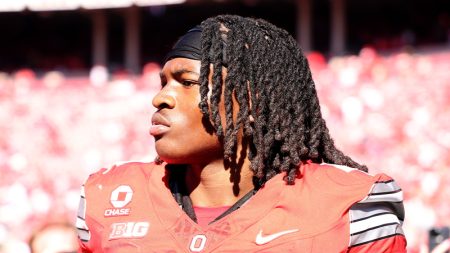
Now to the football itself. Miami’s biggest problem has been consistency, and no one feels that more than quarterback Willis. Through three games, Willis has thrown for 627 yards, with only one touchdown and two interceptions. Last week against Kansas City, he went 20 of 36 for 210 yards and threw another pick. Those are not the numbers of a quarterback who is playing without fear. The Dolphins are averaging just 12 points a game, and their overall scoring total of 36 points in three weeks is a number that would embarrass almost any offense in the league. They have only one passing touchdown, they have turned the ball over four times, and they have allowed nine sacks in three games. That is a toxic combination. The offensive line has been shaky, the timing with receivers has been off, and the end zone has felt impossibly far away. It is easy to blame the quarterback, and the quarterback will get the blame. But football is a team game, and Miami’s failures have come in clusters. The protection breaks down just as a receiver breaks open. The route runs late just as the pocket begins to collapse. There are 11 players on the field, and all of them have to be on the same page. Against Minnesota, that task becomes even harder. The Vikings lead the NFL with 14 sacks, they are tied for first with four interceptions, and they are giving up only 13.7 points per game, which is second-best in football. Put simply, this is a terrible week for an offense that has been searching for its soul. Willis will need to get rid of the ball faster, trust his checkdowns, and avoid the high-risk throws that have hurt him. He will need to be a survivor, not a hero, at least early in the game. If he can keep Miami in manageable situations, the Dolphins may have a chance to stay close. But if the sacks keep coming, and the turnovers return, this could become the kind of afternoon that leaves a team questioning everything.
While Miami is still looking for an identity, Minnesota has found one in its defense. Andrew Van Ginkel has been part of a front that has terrorized quarterbacks all season. The Vikings have piled up 14 sacks through three games, more than any other team in the NFL. They have forced six takeaways, including four interceptions, and they have held opponents to 13.7 points per game. Van Ginkel himself has picked off a pass, which might surprise people who only think of him as a pass rusher. But that is the beauty of this defense. It does not have a single dimension. It attacks with speed, covers with discipline, and makes plays at every level. When you watch them play, you can feel the confidence. They know that the opponent is feeling pressure, and they keep adding more. The combination of sacks and turnovers is exactly how you win games without needing a perfect offense. It also changes the psychology of the other team. After a sack, a quarterback starts seeing ghosts. After an interception, the huddle gets quiet. That is what Minnesota has been building every week, and it is the last thing an offense like Miami’s wants to see. The Dolphins have scored only 36 points all season, have just one passing touchdown, and have turned the ball over four times already. That profile is a gift to a defense that is already hunting. The Vikings will likely try to make Willis uncomfortable early, force a quick mistake, and let the crowd take over from there. Van Ginkel and his teammates have the talent to do it. But they also have the attitude. They believe they are the best unit on the field, and they have been proving it for a month. There is also an emotional lift that comes from playing in front of fans who believe in you, and U.S. Bank Stadium has that lift built into the roof. If the Dolphins are not incredibly careful with the football, this game could turn into a long afternoon filled with short fields, loud cheers, and a defense that looks like it is having way too much fun.
On the other side of the ball, the Vikings haven’t needed to be pretty to be effective. They are averaging only 137 yards passing per game, and they have taken nine sacks of their own. But last week, when Justin Jefferson left the game with an ankle injury, something important happened. Jordan Addison stepped into the spotlight and delivered. He caught five passes for 90 yards and a touchdown in the 23-16 win over Tampa Bay, finishing with his best outing of the season. Now, with Jefferson ruled out for this game because of an ankle sprain, Addison becomes even more important. This is the moment when a young receiver can prove that he is not just a sidekick. He has already shown the ability to get open and make plays after the catch, and the timing of his breakout could not be better for Minnesota. With Jefferson on the sideline, the Vikings’ passing game needs more than one voice. Addison is that second voice, and he seems ready for the responsibility. The defense has carried the team so far, but no team wants to be one-dimensional forever. A strong performance from Addison would give the Vikings an element they have been missing. And here is another reason to think the passing game might find some rhythm: Miami’s defense has not recorded a sack all season. That is a striking stat because it means the Dolphins are not getting to the quarterback. They are not disrupting timing. They are not putting fear in the offensive line. For a Vikings offensive line that has allowed nine sacks of its own, this is an invitation to breathe. Addison can work the middle of the field, run routes with freedom, and become the reliable target that quarterback Willis wishes he had on his side. The Vikings may not need to throw 40 times, but every time they do, they should feel confident. That is a dangerous situation for Miami, because a team that cannot pressure the quarterback and cannot cover the playmakers is going to struggle for sixty minutes.
Finally, let’s talk about what the betting market is telling us, because odds are more than numbers; they are a summary of expectation. The Vikings are a 10.5-point favorite over Miami, with a total of 38.5. The moneyline is -617 for Minnesota and +455 for the Dolphins. If you are not used to reading American odds, here is the simple version: to win $100 on the Vikings, you would need to risk $617, which tells you how heavily the market favors them. A $100 bet on the Dolphins, on the other hand, would win $455 if Miami somehow pulls off the upset. The spread says the oddsmakers expect the Vikings to win by double digits. The total says they expect points to be hard to come by, which makes sense when you look at both offenses and at the dominant defenses on the field. For Minnesota, the formula is simple: survive Willis’s early attempts, let Van Ginkel and company create pressure, and let Addison and the running game grind out enough points to put the game away. For Miami, the formula is much harder. They must protect the football, stay within striking distance, and hope that the fourth quarter brings a chance they can finally convert. It is not impossible. Weird things happen in the NFL, and a desperate team can be a dangerous team. But the data, the injuries, the home crowd, and the way both teams have played all point toward Minnesota extending its perfect start. There will be a human story at the end of the afternoon. Maybe it’s the Dolphins finding their first moment of resilience. Maybe it’s the Vikings celebrating another step toward something bigger. Maybe it’s just another lesson about how fragile a season can be. That is why we watch. The numbers help us prepare, but the emotion, the unpredictability, and the raw hope are what stay with us. So settle in on Sunday, find the game on FOX Sports, and watch two teams write another chapter. You can even follow the action all season long through FOX Sports, and if you want the stories delivered to your inbox, create an account and choose your favorites. In the end, football is just a game. But on days like this, it feels a lot like life.