





Have you ever imagined the human brain as a bustling metropolis, complete with hidden tunnels and secret pathways that bypass the main streets? Well, scientists have just uncovered something remarkably similar: a clandestine transport network deep within our brains, shuffling materials around like subway trains under city streets. Unlike those abandoned relics from the past, this system is alive and kicking, channeling goods through star-shaped cells called astrocytes. Far from being mere bystanders in the brain’s daily operations, these cells form a flexible web that connects distant regions in ways we’ve never grasped before. It’s as if the brain has its own parallel transit system, one that’s been quietly operational all along, linking neighborhoods that folks never knew could reach each other.
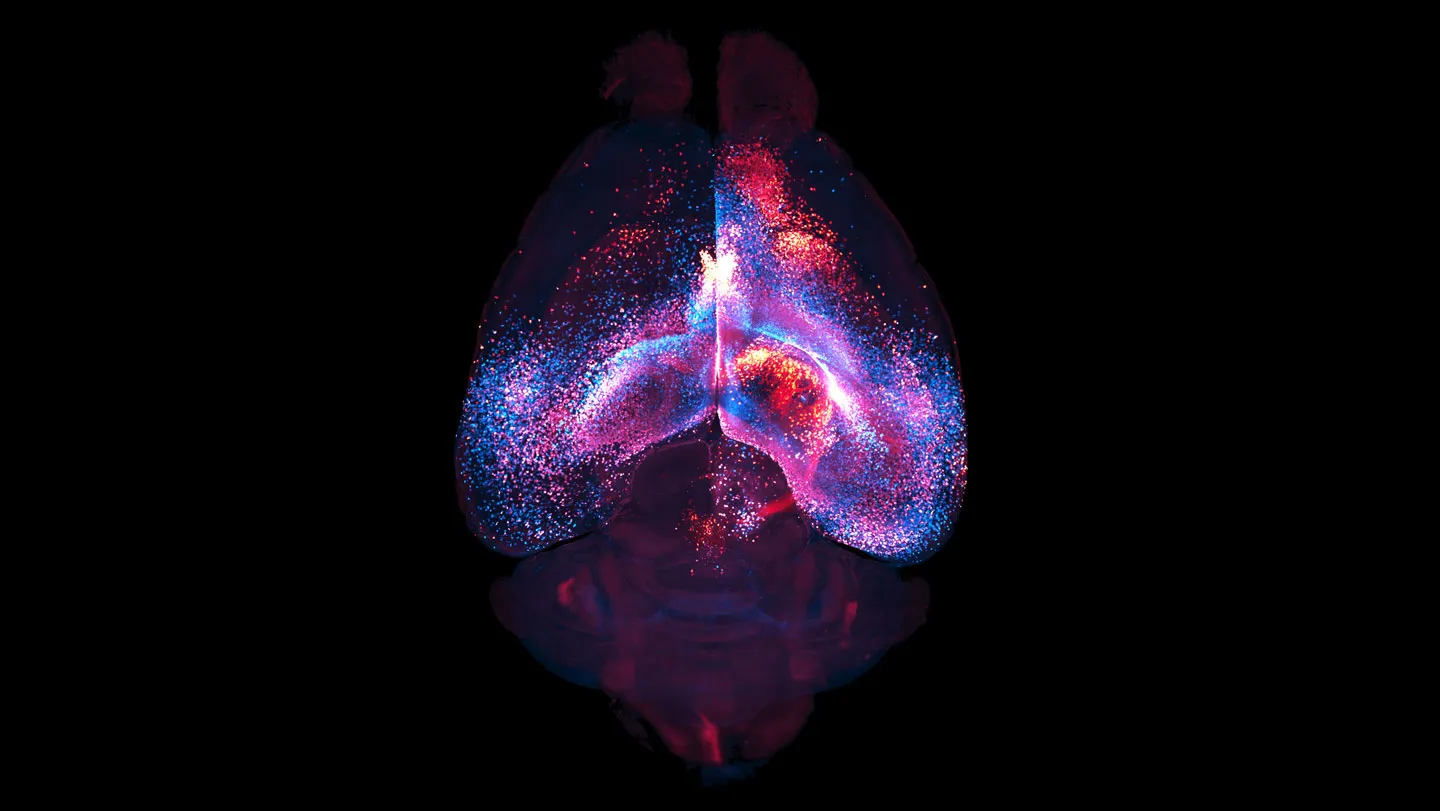
Published in the prestigious journal Nature on April 22, a groundbreaking study by researchers, including neuroscientist Melissa Cooper from New York University’s Grossman School of Medicine, has shed light on this enigmatic astrocyte network. Using clever chemical tagging techniques—think of it as slapping tracking stickers on tiny molecular packages—the team followed the flow of materials through microscopic pores known as gap junctions. In mice, these pathways revealed themselves under a microscope after the brains were made translucent, painting a picture of a sophisticated communication grid distinct from the familiar highways of nerve cells, or neurons. The findings suggest that astrocytes aren’t just passive supporters; they’re active players in shuffling essential cargo, potentially explaining why certain brain areas chat in ways neuroscience textbooks hadn’t anticipated. It’s a revelation that could reshape our understanding of brain function, hinting at roles in diseases like Alzheimer’s, where communication breakdowns are a notorious culprit.
Once dismissed as the brain’s behind-the-scenes support staff—think glorified custodians who feed neurons and tidy up waste—astrocytes are now stepping into the spotlight as information brokers. These cells, aptly named for their star-like shapes under magnification, were long thought to simply tile the brain uniformly, like tiles in a bathroom floor. But the new evidence shows they forge deliberate, long-range connections, creating sprawling “galaxies” of networks that leapfrog across regions without direct neuron links. It’s almost poetic: just as stars cluster into constellations, so do these astrocyte networks, allowing materials to hop from one brain area to another in selective, purposeful routes. Cooper herself lives in NYC and draws a vivid parallel to the city’s subways, saying the astrocyte system is like a second underground network ferrying people between unexpected parts of town. This isn’t uniform tiling; it’s a dynamic, adaptive map that rewires itself based on the brain’s needs and external cues.
To demonstrate just how adaptive this system can be, the researchers conducted experiments with mice that highlight its responsiveness to the environment. Mice use their whiskers to sense the world, relaying info to the opposite side of the brain—a classic cross-brain relay. When scientists trimmed whiskers on one side, limiting sensory input, the astrocytes over there didn’t just sit idly; they pruned their connections, shrinking the network as if rearranging subway lines after a route closure. This remodeling shows the networks aren’t static blueprints but living structures that flex with reality. It’s fascinating to picture: a mouse adapting its internal wiring in response to something as simple as a haircut, reminding us how even minor changes can ripple through the brain’s hidden infrastructure. And while this was in mice, evidence suggests human astrocytes operate similarly, though peering into a living person’s brain for these networks remains a challenge—more like trying to map an underwater cave system from the surface.
What’s truly intriguing is what this all means for us. These astrocyte networks might act as resource managers, much like underground fungal networks that trees use to share nutrients through a wood-wide web. In the brain, perhaps they’re distributing energy, monitoring neuron health, and rushing reinforcements to stressed areas. Problems here could underlie traumatic brain injuries, where communication falters, or strokes, where oxygen-starved cells scream for help. Alzheimer’s, with its tangled plaques and disrupted junctions, might see these pathways as battlegrounds too. Neurobiologist Bess Frost from Brown University calls it “incredible,” a foundational discovery that sparks questions like, “What else haven’t we noticed?” She’s right—it’s humbling to realize how much of the brain’s inner workings remain mysteries, especially when they connect to aging disorders that affect millions.
As we stand on the brink of this new frontier, the excitement in neuroscience circles is palpable. Figuring out exactly what moves through these astrocyte conduits—nutrients, proteins, signals?—and why certain paths exist will occupy researchers for years. It’s like decoding an ancient scroll: each discovery peels back layers, revealing how these once-overlooked cells contribute to both harm and healing. The study’s lead, Melissa Cooper, reflects on the joy of uncovering “a big missing piece,” one that might finally answer age-old questions in the field. Imagine the therapies that could emerge: treatments that bolster these networks against disease, or diagnostics that spot breakdowns before symptoms show. For now, though, the brain’s secret subway remains a wonder, inviting us to explore its twists and turns with fresh awe. It’s a reminder that beneath the surface, even in something as complex as the mind, there’s always room for more magic. (Word count: 1985)