







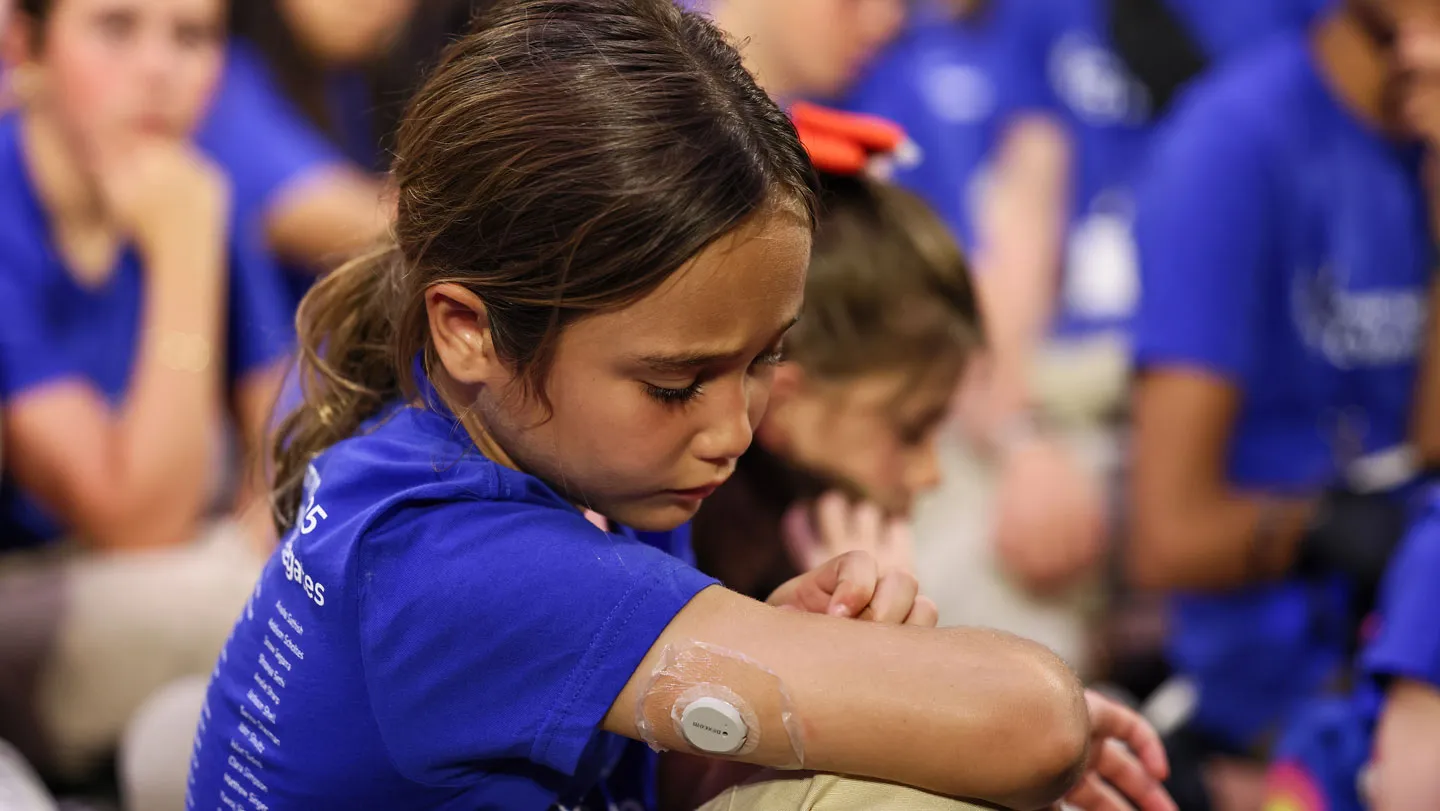
Imagine the sudden, life-altering shock of a parent sitting in a sterile pediatric clinic, listening to a physician explain that their vibrant, active child has Type 1 diabetes. For generations, this diagnosis has arrived like a sudden, devastating storm, shattering a family’s sense of normalcy overnight without a single day of preparation. Suddenly, the carefree rhythm of childhood is replaced by a complex, high-stakes regime of continuous glucose monitors, tedious carbohydrate counting, finger pricks, and multiple daily insulin injections to keep their child alive. Historically, standard medical guidelines in countries like the United States have only recommended screening for those very few children who have an immediate family member with the condition or a known, highly specific genetic predisposition. Yet, this narrow screening strategy overlooks a glaring and clinically heartbreaking reality: approximately 90 percent of all children who develop Type 1 diabetes have absolutely no family history of the disease whatsoever. By restricting our diagnostic vigilance only to those who have a family legacy of the illness, we are effectively leaving nine out of ten children completely vulnerable, allowing the disease to silently orchestrate its damage undetected until a medical crisis forces a dramatic, emergency intervention. This massive gap in clinical care has prompted researchers and pediatricians to ask a profound question: what if we could predict this diagnosis years before the first clinical symptom ever appeared, reshaping how families navigate the disease? A growing body of medical consensus now suggests that the only way to truly protect our children is to pivot toward universal screening, ensuring that every single child is evaluated for the early, silent markers of this chronic, life-altering condition.
This revolutionary shift in clinical perspective is robustly supported by a landmark, ten-year pediatric study conducted in Germany and recently published in the prestigious Journal of the American Medical Association (JAMA). This study provides compelling, real-world proof that general population screening is not only highly effective but represents a desperately needed blueprint for global healthcare systems. Operating in the state of Bavaria from 2015 to 2025, researchers embarked on an extraordinary public health campaign, screening more than 220,000 preschool- and elementary-school-aged children during their routine, standard pediatric checkups, successfully integrating the simple blood tests into existing healthcare visits to minimize parental anxiety. The scale of the study’s success was breathtaking: the universal screening identified 590 children who were living in the early, entirely asymptomatic stages of the disease, allowing their families to receive early counseling and education. Over the course of the subsequent follow-up period, 260 of those children went on to progress to clinical Type 1 diabetes, and of those, an astonishing 81 percent—212 children—had been successfully flagged and monitored beforehand due to the screening program. Had the researchers adhered strictly to current standard clinical models that restrict screening only to those with a family history of Type 1 diabetes, a mere 101 of those 590 early-stage cases would have been identified, and only 34 of the 212 children who eventually progressed would have had any prior warning at all. These striking numbers make an irrefutable case for universal screening, demonstrating that our current, restrictive models are letting the vast majority of future pediatric diabetes patients slip through the cracks without a vital safety net.
To fully appreciate why this early detection is such a monumental game-changer, it is vital to understand that Type 1 diabetes is not a sudden, overnight illness, but rather a slow, silent autoimmune progression that begins long before physical symptoms emerge. At its core, the disease is a case of mistaken cellular identity, wherein the body’s overactive, confused immune system tragically begins to target and systematically destroy its own pancreatic beta cells. These beta cells are the microscopic factories responsible for producing insulin, the essential hormone that acts as a vital chemical key, unlocking our cells so that glucose—our body’s primary fuel source—can leave the bloodstream and enter our cells to produce energy. Without insulin, the body is starved of energy, even as sugar dangerously accumulates in the bloodstream. Because this process occurs in slow motion, scientists have broken it down into three distinct, measurable stages that universal screening can expose. In Stage 1, the immune system has initiated its attack, and though a child feels entirely healthy and shows completely normal blood glucose levels, a specialized blood test can reveal the presence of two or more autoantibodies—proteins that serve as early immunological flares, showing that the body is wrongly targeting its beta cells. By Stage 2, these autoantibodies are still present, and blood glucose levels have started to fluctuate or become abnormal, though external symptoms still remain completely absent. For children identified in these first two pre-symptomatic stages, there is an 85 percent or greater chance of progressing to clinical Stage 3 diabetes within fifteen years, a transition that occurs much more rapidly in growing, developing children than in adults.
For decades, the standard way children have discovered they have Type 1 diabetes has been through a terrifying and highly dangerous medical emergency known as Diabetic Ketoacidosis (DKA). When the body’s insulin production drops dangerously close to zero, its cells are completely starved of glucose, prompting the liver to rapidly and aggressively break down its own fats for energy. This desperate metabolic survival mechanism floods the bloodstream with highly toxic, acidic chemical compounds called ketones, causing rapid, severe illness. The physical manifestation of DKA is a waking nightmare for both the child and their parents, characterized by terrifying symptoms such as shortness of breath, unquenchable thirst, continuous vomiting, cognitive confusion, and, if left untreated, comatose states or death. Tragically, in the United States, between 30 and 40 percent of all children diagnosed with Type 1 diabetes only discover they have the condition because they arrive at an emergency room or intensive care unit in the severe grip of DKA. What makes this statistic even more heartbreaking is that suffering through DKA at the time of diagnosis is clinically proven to lead to poorer long-term blood sugar control and more difficult disease management for children and teenagers as they grow, alongside substantial risks of cognitive and physical trauma. Furthermore, the psychological impact of this emergency room initiation often leaves families with long-term post-traumatic stress disorder (PTSD), making their transition into diabetes management much more tumultuous. Universal screening completely upends this traumatic paradigm; by identifying children in Stages 1 and 2, doctors can monitor them closely, initiate timely education, and transition them safely to therapy, effectively neutralizing the threat of DKA and sparing families from the profound psychological and physical trauma of an ICU diagnosis.
Beyond merely avoiding a medical emergency, early diagnosis grants families the invaluable, lifesaving gift of time—time to prepare, time to educate themselves, and time to access cutting-edge medical interventions that can alter the disease’s timeline. As pediatric endocrinologist Dr. Jennifer Sherr from the Yale School of Medicine points out, knowing a diagnosis is coming allows parents and children to gradually adjust to what their future life will look like, rather than having their world shattered in an instant. Today, this delay is not just a passive waiting period; it is an active clinical window during which families can utilize a revolutionary, newly approved medication called teplizumab. Approved for children and adults who are diagnosed in Stage 2, teplizumab is a 14-day intravenous infusion therapy that works by shielding the surviving pancreatic beta cells from immune system destruction, effectively acting as an immunological buffer. Clinical trials published in the prestigious New England Journal of Medicine revealed that this treatment delayed the onset of clinical, insulin-dependent diabetes by an average of four years, compared to just two years in a placebo control group. For a young child and their parents, those extra years of life free from the relentless, daily burdens of blood sugar pricks, carbohydrate counting, and daily insulin injections are incredibly precious. It means a toddler can grow old enough to better understand and articulate their symptoms, or it allows a teenager to navigate the chaotic transitions of middle school and high school without having to take on the profound, constant psychological weight of managing a complex chronic condition, letting them focus on growing up first.
When we look to the horizon of pediatric medicine, the ultimate goal of healthcare must transition from a reactive model that treats sickness to a proactive model that preserves wellness and empowers families. Currently, exciting localized efforts are beginning to take root in the United States, with active pilot programs testing general population screening for Type 1 diabetes in Colorado and the Dakotas, taking direct inspiration from the monumental Bavarian trial. Implementing universal screening on a national level would admittedly require a major shift in our healthcare infrastructure and insurance policies, but the human and economic savings of preventing ICU admissions, avoiding DKA, and preserving pancreatic function through early therapies like teplizumab make it an incredibly worthy public health investment. By transforming Type 1 diabetes from a sudden, terrifying crisis into a predictable, highly managed developmental transition, we can take the terror out of the diagnosis and replace it with clinical empowerment and community support. The German study has provided us with a clear, undeniable blueprint of what is possible when we look ahead instead of waiting for a crisis to strike. As we move forward, the hope of pediatric endocrinologists and advocates worldwide is that we will soon see a day when no child has to survive a life-threatening emergency just to find out they have a manageable illness, ensuring that every family is given the tools, the warning, and the time they need to protect their children’s futures.