





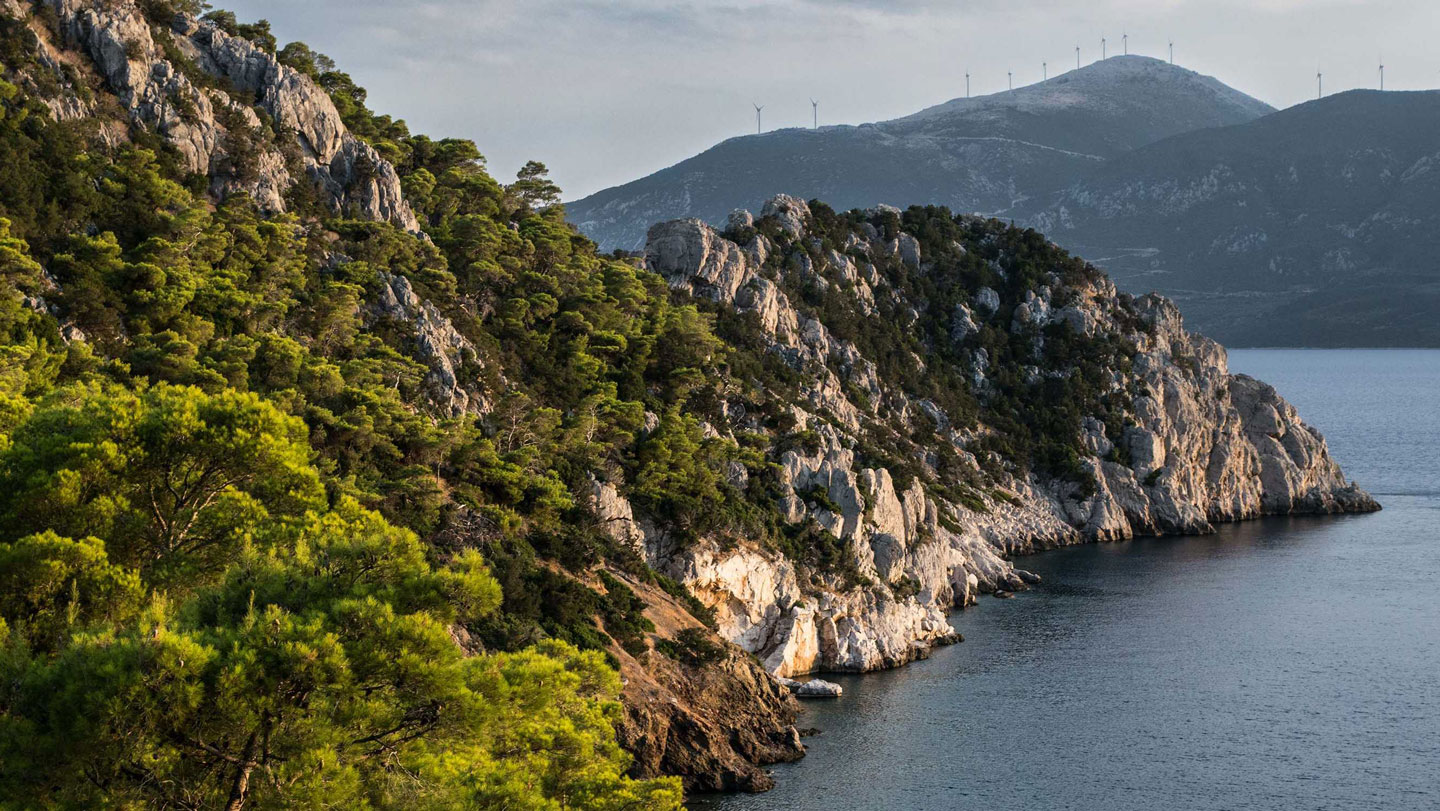
Imagine a world where hidden forces simmer beneath the earth, waiting patiently for their moment. For over a hundred thousand years, the Methana volcano in Greece sat dormant, its fiery past seemingly forgotten. Tourists and locals might have walked its rugged slopes, marveling at the serene landscape, little knowing that deep underground, molten rock was brewing. Researchers excavating this ancient site have now uncovered a startling truth: volcanoes we deem extinct might merely be biding their time. Published in the journal Science Advances on April 22, this study from Razvan-Gabriel Popa and his team at ETH Zurich in Switzerland reveals that tiny zircon crystals trapped within volcanic rocks tell a tale of subterranean activity during periods of surface calm. These crystals, formed in the hot depths of magma chambers, indicate that Methana wasn’t truly silent—magma was accumulating quietly, poised for future eruptions. “I think we definitely have to start reevaluating how we classify extinct volcanoes,” Popa cautioned, urging a rethink of our understanding of these slumbering giants. This discovery isn’t just about rewriting history; it’s about recognizing that the earth’s volcanic heartbeat might be steadier and more unpredictable than we ever imagined. In a world grappling with natural disasters, such insights could one day save lives by prompting closer monitoring of seemingly benign landforms.
Delving deeper, it’s worth exploring how we define a “dead” volcano in the first place. Typically, small volcanoes are labeled extinct if they haven’t spewed lava or ash for about 10,000 years, a reasonable threshold given their limited reservoirs of molten material. But larger volcanoes, with their vast plumbing systems deep within the earth, can endure far longer spells of inactivity—sometimes tens or even hundreds of thousands of years—before rumbling back to life. This distinction becomes crucial because our current classification system often overlooks the potential for renewal beneath the surface. What the Methana study emphasizes is that dormancy doesn’t equate to death; instead, it could be a deceptive lull, masking ongoing geological processes. Researchers like Popa highlight that without delving into the microscopic evidence, like these resilient zircon crystals, we might misjudge a volcano’s true state. Zircons, after all, are hard-won artifacts from the forge of the earth’s mantle, crystallization points that reveal the chemical tango of elements under crushing pressures. This reevaluation carries profound implications: are there other “extinct” volcanoes around the globe that we should be watching more vigilantly? From the chain of islands dotting the Pacific to the towering peaks of the Andes, these sites might hold secrets of future upheavals. By broadening our lens, scientists can better prepare communities, investing in early warning systems and evacuation plans that account for this newfound complexity in volcanic life cycles.
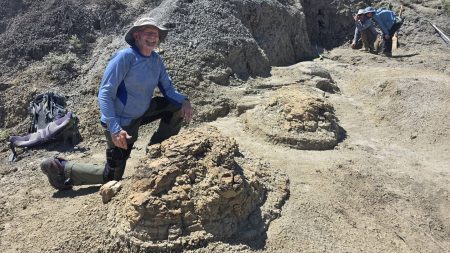
To uncover Methana’s story, Popa’s team embarked on a meticulous journey, collecting over 1,250 rock samples from the volcano’s scarred terrain. Nestled just 50 kilometers southeast of Athens, Methana has long been known for its rugged beauty and faint whiff of sulfur, a reminder of past furies. But the researchers were after something elusive: tiny grains of zircon embedded in the lava and ash deposits. These crystals are nature’s time capsules, born in the searing heat of underground magma chambers and expelled during eruptions to the surface. By meticulously dating these zircons using advanced geochemical techniques, the team pieced together a chronology spanning 700,000 years—a epic saga of Methana’s volcanic temperament. Each crystal’s atomic structure holds clues, like a diary etched in stone, revealing when magma surged and solidified. This painstaking work involved laboratory analyses that peeled back layers of geological time, much like an archaeologist decoding ancient tablets. It wasn’t just about collecting rocks; it was about listening to the whispers of the earth, understanding how Methana’s plumbing system has evolved. The volcano, perched on a peninsula bathed by the Mediterranean Sea, offered a unique vantage point, its proximity to Greece’s cultural heart making the findings all the more poignant. Through their efforts, Popa and colleagues transformed hard science into a narrative of resilience and unpredictability, showing that even a small volcano can harbor grand secrets.
The results were eye-opening, painting a picture of Methana as more dynamic than previously thought. The volcano’s history unfolded in two distinct chapters of eruption periods: the first wrapped up around 280,000 years ago, leaving a substantial silence in its wake. Then, about 168,000 years later, the second phase ignited, spewing fresh lava flows that reshaped the landscape. But here’s the twist—if the volcano had truly “died” between these bursts, the ground would have yielded no traces of ongoing activity. Instead, the researchers stumbled upon a treasure trove: zircons from that very quiet interval showed the highest rates of generation. This meant magma was far from idle; deep beneath the rock, it was churning, crystallizing, and accumulating. Far from extinction, Methana was in a state of hidden vitality, its magma chambers bubbling with potential. This revelation challenges our assumptions about volcanic rest, suggesting that what appears as death on the surface might be a fertile pause underground. In the grand theater of geology, Methana’s zircons serve as silent witnesses, confirming that periods of apparent dormancy are often deceptive. Popa’s team didn’t just map eruptions; they illuminated the subtle rhythms of the earth, where quietude masks renewal. Such findings invite us to ponder our planet’s volatile nature, urging a humility before forces that operate on timescales dwarfing human lifetimes. It’s a reminder that while we chart the stars and plumb the oceans, the ground beneath our feet retains its mysteries, demanding respect and constant vigilance.
Unraveling the mystery further, the scientists point to a fascinating phenomenon: water-saturated magma as the potential conductor of Methana’s extended hiatus. Picture a giant underground cauldron, pressurized to extremes far beyond human experience. Water, dissolved in the magma under these conditions, acts like a vital stabilizer, keeping the rock liquefied and fluid. But as the magma begins its ascent toward the surface, the pressure drops dramatically, much like lifting the weight from a heavy lid. Suddenly, the dissolved water can’t stay contained—it bubbles out explosively, turning into steam. Popa likens it to cracking open a fizzy soda: “It’s like a fizzy drink. We open the bottle, and—pssshht—all the gas comes out.” This effervescence triggers a cascade; the magma loses its liquidity, becoming thick and sticky. Crystals start forming en masse, clotting the mixture until it’s virtually immovable. Ultimately, this viscous sludge stalls deep within the earth’s crust, unable to break free for an eruption. This water-driven dynamic isn’t unique to Methana; it’s a fundamental process in volcanology. Geochemists have long pondered why some magma erupts while much more is ensnared below, never seeing daylight. Kari Cooper, a researcher at the University of California, Davis, praises this insight, noting that most rearthward magma remains trapped, underscoring how water content might dictate explosive outcomes. Expanding on this, the study opens doors to understanding global patterns, where subterranean chemistry shapes surface volatility. It’s akin to unraveling the DNA of the planet, revealing how a simple element like water can orchestrate the earth’s fiery symphony, sometimes quenching flames and other times amplifying them.
The broader implications of this research ripple far beyond Methana’s shores, promising advancements in volcanic hazard prediction and risk management. By linking magma chemistry to the long-term cycles of volcanic systems, scientists gain a sharper tool for forecasting. Adam Kent, an expert in igneous rocks and volcanoes at Oregon State University in Corvallis, emphasizes that eruption history remains a key indicator of future threats—but now, with evidence of hidden activity, that calculus expands. “Part of that calculation is how recently they have erupted,” Kent explains. “In that sense, there are probably volcanoes out there that are threatening but not evaluated as such because they haven’t erupted for a while.” Imagine undiscovered hotspots, masquerading as benign hills because they’ve been flagged as extinct, only to awaken with catastrophic force. This urgency drives calls for enhanced monitoring, deploying networks of sensors and drones to eavesdrop on earth’s murmurs. Communities in volcanic regions, from Indonesia’s restless arcs to Hawaii’s iconic peaks, stand to benefit, with early alerts potentially averting disasters. Beyond immediate safety, the study enriches our scientific tapestry, blurring lines between active and dormant states. It humanizes the earth, portraying it not as a static rock but as a living entity with breaths and pulses we must learn to interpret. As Popa and colleagues demonstrate, one volcano’s secrets can illuminate paths for countless others, fostering a proactive guardianship of our planet. In an age of climate uncertainties and geological upheavals, such wisdom becomes not just academic but essential, weaving science into the fabric of our survival. Ultimately, Methana’s legacy challenges complacency, reminding us that beneath calcula drape of familiarity, the world pulses with unseen energy, ever ready to remind us of nature’s formidable power.