





In the quiet, clinical halls of scientific conferences, researchers are generally immune to shock. They spend their lives studying microscopic horrors, looking at graphic medical photographs, and analyzing grim statistics with a detached, professional eye. Yet, during a session on emerging fungal infections at the ASM Microbe meeting in Washington, a highly unusual wave of anxiety swept through the audience. A session moderator used the phrase “somewhat terrifying” to describe a highly drug-resistant, sexually transmitted skin disease, but what followed was even more unsettling to those in attendance. Dr. Shawn Lockhart, a veteran medical mycologist and senior adviser at the U.S. Centers for Disease Control and Prevention, stepped to the podium to present a chilling portrait of a shape-shifting fungal pathogen called Sporothrix brasiliensis. For decades, this disease has been quietly waging a devastating campaign across South America, leaving behind a trail of thousands of suffering cats, hundreds of infected dogs, and more than 11,000 human patients. Though it has not yet officially breached the borders of the United States, public health officials are bracing for what feels like an inevitable arrival, recognizing that our borders are far more porous to microscopic threats than we like to admit.
Since its quiet emergence in Brazil during the 1990s, this relentless pathogen has gradually rewritten the rules of animal-to-human disease transmission, expanding its territory from a localized crisis into a major regional epidemic. Today, the fungus has marched well beyond Brazilian borders, embedding itself in the animal and human populations of Paraguay, Argentina, Chile, and Uruguay. Lockhart’s primary anxiety stems from how easily the modern world facilitates the spread of such diseases. In our highly connected global society, it takes only one well-meaning traveler returning from South America with an asymptomatic, beloved pet to introduce the pathogen to entirely new ecosystems. The consequences of such an introduction could be catastrophic, particularly in metropolitan areas like Istanbul or Bangkok where stray felines roam the streets in massive numbers, or across the vast rural expanses of the American Midwest where free-ranging farm cats live in close proximity. The threat is not just a statistical abstractions; it is a tangible, looming reality that could easily spark a fast-burning wildfire of infection in regions completely unprepared for its arrival.
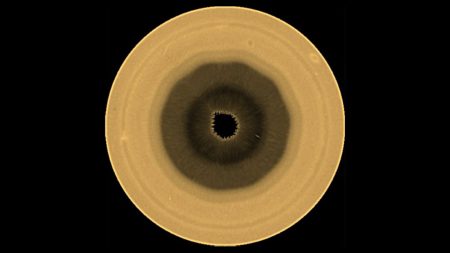
What makes Sporothrix brasiliensis so biologically formidable is its shape-shifting capability, a survival mechanism known to mycologists as dimorphism. In the scientific community, this duality is often summarized by the catchy phrase, “a mold in the cold and a yeast in the beast.” When living in ambient temperatures or soil, the fungus grows as long, delicate, thread-like filaments called hyphae, resembling a common household mold. However, once those spores penetrate the warm, nutrient-rich environment of an animal or human body, they undergo a dramatic structural transformation, morphing into aggressive, rapidly multiplying, single-celled yeasts. While its close environmental relative, Sporothrix schenckii—famously known as “rose growers’ disease”—typically requires a physical puncture wound from a plant thorn or soil-contaminated wood scratch to infect humans, S. brasiliensis has evolved a much more aggressive shortcut. It can transmit directly from host to host in its active yeast phase without ever needing to return to the soil, a rare and highly troublesome trait that sets it apart from almost all other dimorphic fungi in existence.
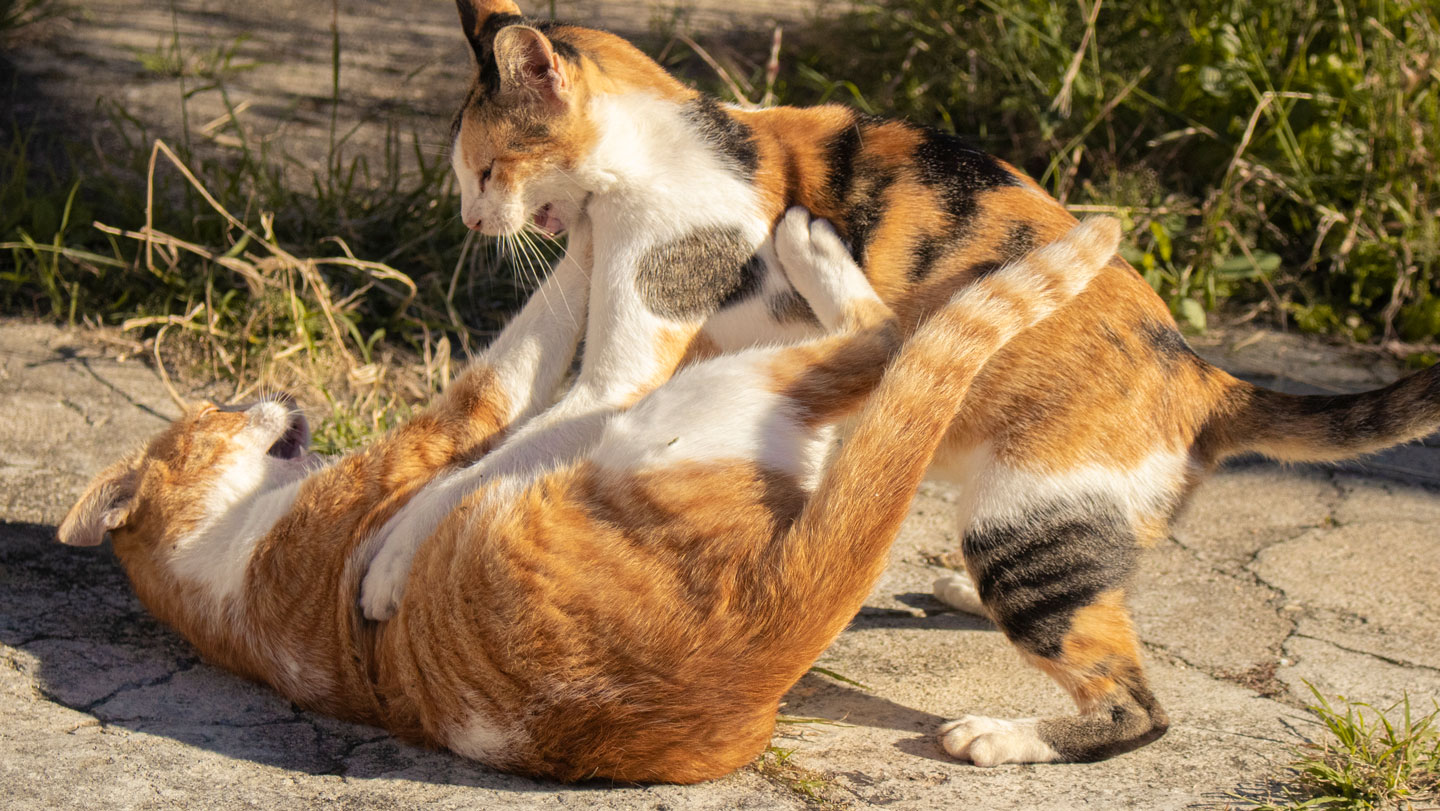
The tragic irony of this disease lies within the very nature of feline companionship itself, as the primary vectors of transmission are the everyday behaviors we associate with cats. Felines are social, physical creatures whose daily routines revolve around grooming, licking, playing, and occasionally fighting. In a cruel twist of biology, these gentle expressions of affection and natural instincts for territory are the perfect vehicles for spreading the fungus. A playful scratch or a defensive bite acts like a dirty syringe, injecting the virulent yeast cells deep beneath the skin of another animal or an unsuspecting human companion. This creates an incredibly dangerous cycle for pet owners who, driven by deep love and desperation to heal their companions, attempt to care for their visibly sick pets. Many human infections do not occur during active play, but rather when heartbroken owners try to slide antifungal medication down the throats of their frightened, resisting cats, receiving a tiny scratch or bite in the process that forever alters their own health.
Compounding this direct-contact hazard is an even more alarming discovery: infected cats can actually aerosolize the fungus. Research has revealed that felines suffering from nasal lesions can sneeze out infectious yeast cells in a fine mist, coating veterinary examination tables, laboratory coats, and the surrounding air in a invisible layer of disease. This firehose of contaminated snot creates a lingering hazard that persists long after the sick animal has left the room. Lab experiments designed to test how long the pathogen can survive on stainless steel surfaces—mimicking the metal tables found in almost every veterinary office—yielded sobering results. While common human-associated fungi like Candida albicans survive on metal for about 48 hours, and the highly feared Candida auris dies off after a month, Sporothrix brasiliensis remained viable and ready to infect for up to ten weeks. This extreme environmental resilience means that if a busy veterinary clinic misses even a single microscopic spot during a routine end-of-day wipe-down, the lingering fungus could easily infect the very next patient brought in for a checkup.
Confronting this shadow epidemic requires facing a deep, systemic vulnerability in our international biosecurity frameworks. Currently, there is no commercially available rapid test to screen animals for S. brasiliensis, and the regulations governing pets entering the United States are dangerously minimal, requiring only a basic veterinary certificate stating that the animal appears healthy. This visual screening is highly inadequate because the fungus behaves like a medical time-bomb, often remaining entirely dormant inside a host for years. Veterinary archives document instances of families relocating from South America to Europe whose cats did not show any outward signs of illness until three full years after arriving in their new country, by which time they had already infected their owners and the veterinarians who examined them. Because we cannot rely on border checkpoints alone to keep this disease out, our best line of defense rests on the shoulders of local animal caretakers and veterinary professionals. If we hope to prevent this agonizing disease from permanently embedding itself in communities worldwide, it will require a united, highly vigilant network of domestic pet owners, veterinarians, and public health agencies working together to spot the warning signs and halt the silent march of this pathogen before it is too late.