





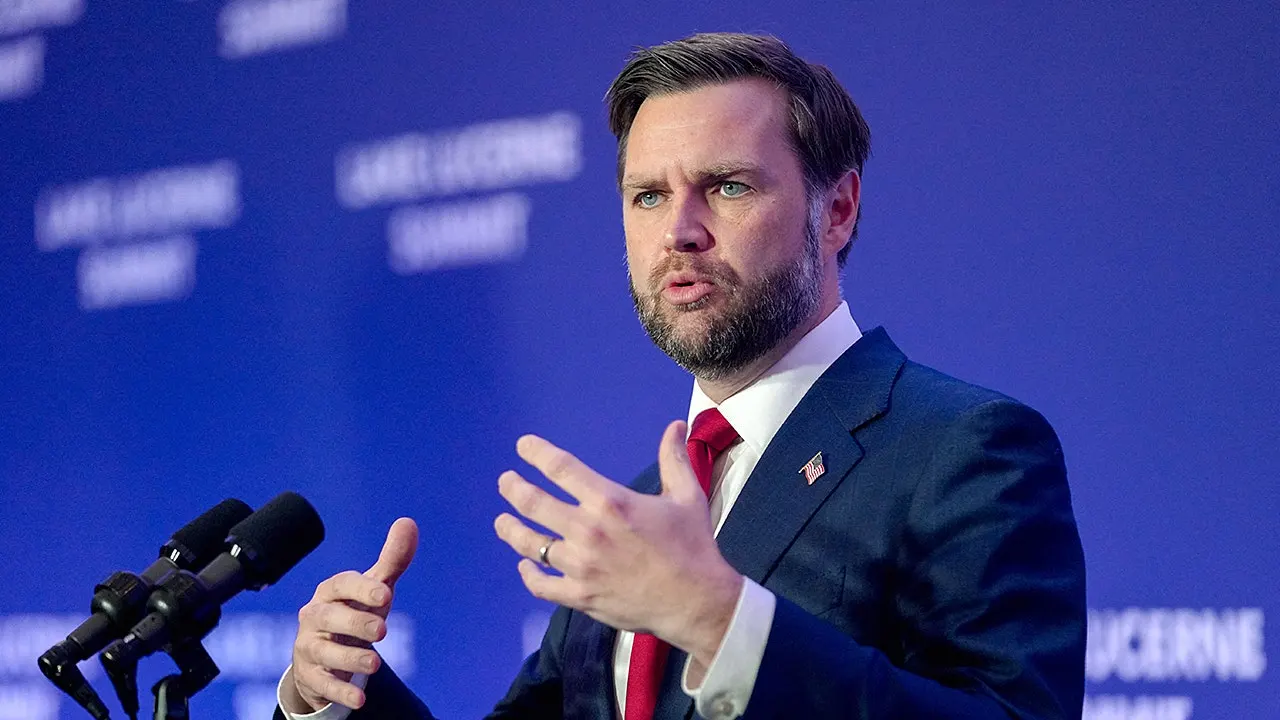
Nestled high above the sapphire waters of Lake Lucerne, the pristine and tranquil alpine setting of the Bürgenstock resort in Switzerland served as an unlikely, stark contrast to the high-stakes, pressure-cooker environment of international diplomacy that unfolded within its walls over a grueling weekend. Inside, Vice President JD Vance and a dedicated team of American negotiators engaged in exhausting, marathon peace talks with an unprecedented, high-level Iranian delegation, pushing far into the quiet hours of Sunday night in a determined effort to draft a framework that could bring a volatile conflict to an end. This diplomatic push does not exist in a vacuum; it carries the heavy, collective hopes of a weary American electorate, with a recent CBS news poll revealing that an overwhelming seventy-eight percent of the American public strongly believes the ongoing hostilities between the United States and Iran must finally come to an end. Amidst sleepless nights and intense negotiations, the American delegation emerged with what they described as historic, substantial progress, laying down a foundational framework designed to pave the way for a lasting agreement. Officials present at the summit emphasized that these grueling sessions were meticulously crafted to ensure that the ultimate deal secured would serve the absolute best strategic and economic interests of the American people, signaling a potential turning point in a decades-old geopolitical rivalry.
However, the delicate and sophisticated art of peacemaking was quickly threatened by the volatile nature of modern information warfare, as a wave of narrative distortion and viral speculation threatened to overshadow the actual diplomatic breakthroughs achieved in Switzerland. Headlines and social media feeds were suddenly flooded with rumors that the Prime Minister of Qatar, Sheikh Mohammed bin Abdulrahman Al Thani, had publicly snubbed the American Vice President by walking past him to warmly greet Pakistani Prime Minister Shehbaz Sharif instead. U.S. officials deeply involved in the process quickly moved to debunk this narrative, identifying Iranian state media as the malicious source of the rumors, which they characterized as a deliberate disinformation campaign designed to destabilize the negotiations and project American weakness. In reality, the human dynamics of the situation were far more mundane and practical: the American and Qatari delegations had just emerged from spending several consecutive hours working side-by-side in intense meetings, rendering a formal, rehearsed re-greeting entirely unnecessary during an impromptu media availability. Al Thani himself later took to the airwaves of Al Jazeera to flatly deny any snub, expressing frustration at how a completely normal, unscripted human interaction was sensationally blown out of proportion by media outlets hungry for division, stressing instead the deep respect and shared commitment that characterized his working relationship with Vance throughout the summit.
The tangible hope of a peaceful resolution vibrated across global markets even before a final signature was dried on any official treaty, demonstrating how deeply interconnected modern diplomacy is with the everyday economic realities of citizens worldwide. On Wall Street and global exchanges, the mere anticipation of a breakthroughs in Switzerland caused global oil prices to dip significantly, offering a moment of psychological and economic relief to consumers weary of inflation and energy instability. Yet, back home, the atmosphere remained deeply polarized, as Vice President Vance faced a barrage of intense domestic criticism from commentators and political opponents who accused him of projecting weakness and surrendering vital American leverage to a hostile regime. These critics argued that the Iranian leadership was poised to walk away from the negotiating table with far more concessions than they deserved, echoing the sentiments of loud counter-protests that have consistently defended the Islamic Republic of Iran since hostilities began. This domestic friction highlights the exhausting political tightrope that modern diplomats must walk, where every foreign policy compromise is immediately weaponized in the domestic political arena, forcing leaders to balance the pursuit of global stability against fierce partisan backlash at home.
This domestic discord is not entirely organic, as a deep-dive investigation into the protest movements sweeping across the United States revealed a highly organized, heavily funded network designed to manipulate public opinion and champion the interests of America’s foreign adversaries. At the center of this web is Neville Roy Singham, an American-born technology tycoon currently residing in China, who has spent years funneling an astronomical two hundred and seventy-eight million dollars into various non-profit organizations and far-left activist groups. Singham, who is married to CodePink co-founder Jodie Evans, has strategically constructed an apparatus of pro-communist groups, including the Party for Socialism and Liberation, which routinely uses its propaganda platforms like “Liberation News” to mobilize aggressive street protests and pressure campaigns. These organizations have gone so far as to paint their hands with symbolic red paint to protest what they term American “genocidal threats” against Iran, actively working to fly the Iranian flag over American cities and wage what they call a “smokeless war” against the United States. This sophisticated funding network highlights a complex reality: while many well-meaning Americans protest out of a genuine desire for peace, the machinery driving these demonstrations is heavily backed by actors seeking to protect and validate the geopolitical interests of China and its vital oil-supplying partner, Iran.
Despite the noisy distractions of foreign propaganda and domestic polarization, the administration has remained steadfast in its core strategic objective: ensuring that Iran never achieves the capability to develop deliverable nuclear weapons. This diplomatic maneuvering is playing out against a perilous backdrop of active, hot military conflict, where U.S. and Israeli military forces have spent more than three months actively defending against aggressive Iranian-backed operations in the Middle East. For JD Vance, this intensive trip to Switzerland represents his second demanding attempt in recent months to personally mediate a ceasefire, following a grueling, unsuccessful trip to Islamabad in April alongside Special Envoy Steve Witkoff and Special Peace Envoy Jared Kushner. Though those initial talks collapsed without a deal, Vance’s refusal to walk away from the diplomatic table and his willingness to repeatedly endure the grueling physical and mental toll of high-stakes mediation underscores a gritty, relentless approach to leadership. By re-engaging the parties in Switzerland, Vance has positioned himself as an indispensable, hands-on architect of American foreign policy, directly confronting the cold realities of war while seeking to construct a sustainable, long-term peace plan.
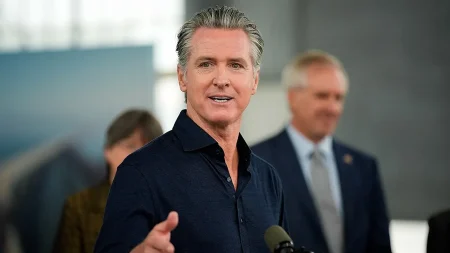
Ultimately, the grueling hours Vance spent under the crisp alpine skies of Lucerne have done far more than just reshape the path of global diplomacy; they have radically transformed his personal political trajectory and reshuffled the deck for the future of American leadership. Prior to these high-stakes negotiations, political prediction markets such as Kalshi showed Vance trailing behind prominent political heavyweights, including Secretary of State Marco Rubio and California Governor Gavin Newsom, in the projected race for the 2028 presidency. However, as the American public watched the Vice President spearhead these historic, late-night peace talks and project a image of steady statesmanship, public perception shifted dramatically, sending his odds surging to the absolute top of the betting markets for the next presidential election cycle. This dramatic rise in political fortune illustrates a powerful, classic human truth: in times of deep uncertainty, anxiety, and global conflict, the public craves leaders who are willing to step directly into the fire, brave the storms of media criticism, and do the exhausting, heavy lifting required to build a safer world. Whether or not these precarious Swiss negotiations ultimately yield a permanent, ironclad peace treaty with Iran, JD Vance has successfully redefined himself on the world stage, transitioning from a polarizing political figure into a formidable, resilient statesman capable of shaping the destiny of both his nation and the world.