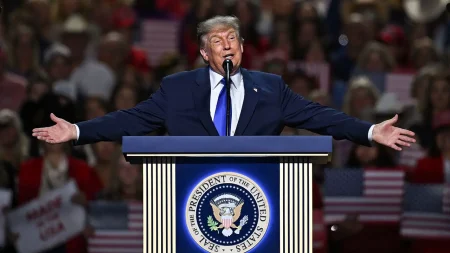






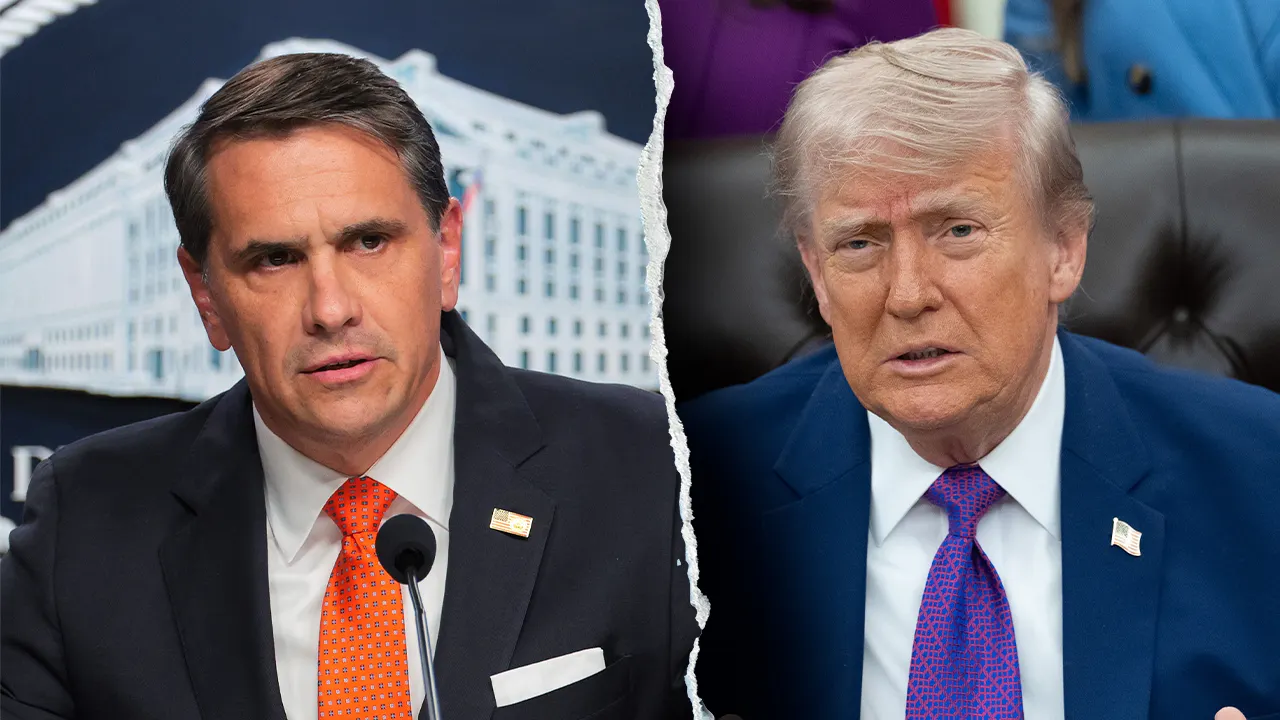
In a moment that seamlessly blended high-stakes political theater with the intimate, casual decision-making style that has defined his presidency, Donald Trump used the backdrop of a warm spring evening at a Rose Garden Club Dinner to alter the course of the nation’s legal landscape. Standing before a gathering of allies and supporters, the President announced his intention to nominate acting Attorney General Todd Blanche to permanently lead the Department of Justice, a declaration captured in a social media video shared by White House Deputy Chief of Staff Dan Scavino. The announcement marks a swift and decisive transition for the country’s top law enforcement agency, which Blanche has been running on an interim basis since the sudden dismissal of former Attorney General Pam Bondi earlier this year. Addressing the crowd with characteristic confidence, Trump shared his directive to Scavino and his transition team to accelerate what is traditionally a grueling, bureaucratic process, expressing his belief that the formal nomination and subsequent confirmation would move forward with remarkable speed. This public pledge not only solidifies Blanche’s position at the helm of the Justice Department but also signals Trump’s desire for immediate stability and continuity during a period of intense institutional reform.
To understand the weight of this nomination is to understand the deep bond of trust forged between Donald Trump and Todd Blanche during some of the most legally perilous moments of Trump’s life. Before stepping into the halls of public service, Blanche was best known as the dogged, sharp-witted defense attorney who stood by Trump’s side in hostile courtrooms, defending him against a barrage of state and federal prosecutions that supporters viewed as a politically motivated “lawfare” campaign. Transitioning from a private defense counselor to the acting head of the world’s most powerful justice system is no small feat, yet Blanche’s rapid ascension speaks to a broader philosophy within the current administration that prioritizes fierce loyalty, demonstrated resilience, and first-hand experience fighting the very system they now wish to reform. When Pam Bondi’s brief and turbulent tenure came to an end in early April, Blanche stepped into the breach, bringing a quiet, methodical focus to an agency that had been rocked by years of political polarization and internal strife. For Trump, Blanche is not merely a capable administrator; he is a trusted warrior who has looked the opposition in the eye and managed to emerge victorious, making him, in the President’s eyes, the ultimate candidate to restore what the administration views as true objective justice.
The path to this nomination had been quietly paved earlier in the week during an intimate, wide-ranging interview on the Pod Force One podcast, where Trump first hinted at his final decision to host Miranda Devine. When asked point-blank whether the acting Attorney General would receive the permanent nod, Trump spoke with an easy certainty, confirming his plans and admitting that he was not actively vetting or considering any other candidates for the prestigious post. This candid revelation highlighted Trump’s hands-on executive style, which often relies heavily on personal observation, gut instincts, and real-time performance evaluation rather than traditional party consensus. Trump explained that he had purposely placed Blanche in the acting role first to observe how he would be received by the public, the department, and the media, and the results had clearly exceeded his expectations. By praising Blanche’s long-standing character and his flawless execution since taking over the Department of Justice, Trump painted a portrait of a leader who had earned his stripes not through empty political posturing, but through steady, competent leadership during a time of immense national scrutiny.
This sentiment was passionately echoed by the broader White House apparatus, which quickly moved to frame the nomination as a crucial victory for the American public and a direct challenge to the perceived politicization of federal law enforcement. White House spokesperson Abigail Jackson released a stirring statement praising Blanche as a true American patriot who had courageously defended constitutional principles against what the administration characterizes as unprecedented weaponization by political rivals. In her remarks, Jackson emphasized that the entire leadership team currently assembled at the Department of Justice is united under a singular mission: to champion common-sense policies, restore rigorous law and order, and keep American families safe from rising domestic and international threats. By framing Blanche’s upcoming nomination in these terms, the administration is signaling to its base that the DOJ under Blanche will shift its focus away from exhausting political battles and back toward core policing duties, public safety, and structural accountability, a message designed to resonate with voters who feel the justice system has wandered too far from its founding principles.
However, the road from a Rose Garden announcement to the official oath of office is rarely smooth, and Blanche must now prepare to navigate the highly charged ideological waters of the United States Senate. Because the position of Attorney General requires formal Senate confirmation, Blanche will face intense scrutiny, deep partisan skepticism, and rigorous questioning from opposition lawmakers eager to challenge his proximity to the President and his past defense work. There is, however, a critical silver lining for the nominee: in 2025, Blanche successfully navigated this exact legislative gauntlet when he was confirmed as the Department of Justice’s second-in-command, securing the Deputy Attorney General position in a tightly contested, party-line vote of 52 to 46. While that experience provides him with a valuable roadmap and a clear understanding of the hostile political terrain ahead, the stakes for the top cabinet post are infinitely higher, and both sides of the aisle are already preparing for a monumental confirmation battle that will serve as a proxy war over the future direction of American jurisprudence.
As Washington braces for this impending political showdown, the human element of Todd Blanche’s journey remains perhaps the most compelling aspect of this unfolding chapter in American history. If confirmed, Blanche will inherit a massive, sprawling department of over a hundred thousand employees charged with protecting civil rights, fighting systemic crime, and maintaining national security, all while carrying the immense personal weight of fulfilling Trump’s mandate to dismantle the institutional biases of the “deep state.” For Blanche, a man who began this journey representing a singular client in a crowded New York courtroom, the opportunity to lead the entire nation’s legal apparatus represents both a staggering professional pinnacle and an profound responsibility. Ultimately, his nomination represents more than just a personnel change in a shifting cabinet; it is a defining moment for an administration determined to reshape the rules of engagement in Washington, leaving everyday Americans to watch anxiously as the nation’s highest legal authority prepares to embark on a radical, controversial, and potentially transformative new era.