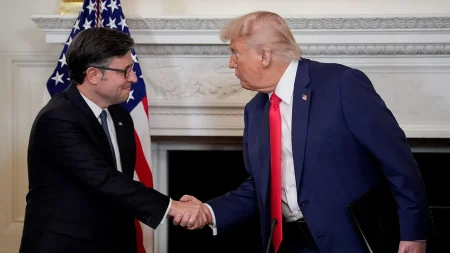





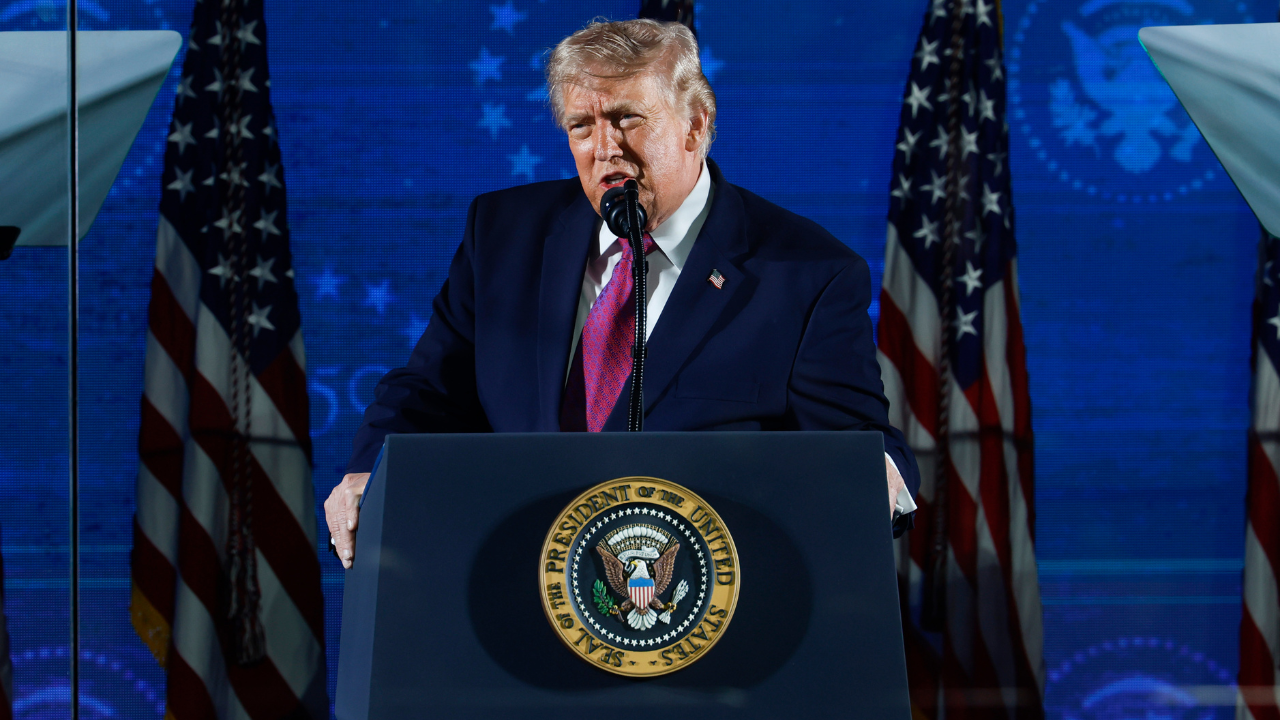
On Friday, President Donald Trump made waves by announcing full pardons for nine individuals who had been convicted of violating the Clean Air Act. Trump heavily defended his decision on Truth Social, arguing that these men—most of whom are diesel mechanics and car tuners—were unfairly “persecuted by the Biden Administration” and ultimately punished for nothing more than “fixing their car.” This high-profile act of clemency instantly reignited the ongoing national debate surrounding federal environmental regulations, the real-world operational challenges faced by vehicle owners, and the boundaries of executive legal power.
According to federal court records, eight of the nine pardoned individuals had been prosecuted for selling, distributing, or installing “defeat devices” in diesel trucks. These specialized aftermarket devices reprogram a vehicle’s computer system to bypass federally mandated emissions controls and suppress diagnostic warnings. Without these emissions controls active, diesel trucks are designed to enter a restrictive “limp” mode—limiting speeds to as low as five miles per hour—whenever the emissions system fails or detects an irregularity. Because these expensive emissions systems are notoriously prone to frequent breakdowns, a highly lucrative underground market has emerged, with truck owners and fleet managers willing to pay top dollar to mechanics who can permanently disable these restrictive software bottlenecks.
While environmental regulators view these modifications as illegal tampering that significantly increases harmful air pollution, those working in the trucking and agricultural sectors see them as a matter of survival. The Environmental Protection Agency itself has acknowledged that emissions-control failures are extraordinarily common, causing massive, ongoing headaches for truckers and farmers who rely on their vehicles for their livelihoods. This technological frustration is especially severe in extremely cold regions; for example, Brad Bylsma, an equipment manager for the Alaska Department of Transportation, noted that emissions systems account for a significant portion of state vehicle maintenance costs, while local transport president Frederic Sifuentes estimated that these systems are responsible for roughly 85 percent of vehicle breakdowns in harsh subzero climates.
Among those pardoned was MacKenzie “Mac” Spurlock, an Alaska-based mechanic and National Guard veteran whose case became a major rallying cry for critics of federal overreach. Senator Dan Sullivan, R-Alaska, strongly celebrated Spurlock’s pardon, recalling a “military-style tactical raid” conducted by armed EPA agents on Spurlock’s shop, Matanuska Diesel. Sullivan defended Spurlock’s actions as a practical necessity, explaining that the veteran had modified emissions systems specifically to prevent local commercial and state-owned trucks from shutting down during Alaska’s brutal winters. Other pardoned individuals who faced criminal prosecution for similar aftermarket tuning operations included Matthew Geouge—whose tuning businesses grossed over $10 million before his 2021 plea deal—as well as Ryan and Wade Lalone, Tim Clancy, Joshua Davis, Barry Pierce, Aaron Rudolf, and Jonathan Achtemeier.
This round of high-profile pardons aligns closely with the Trump administration’s broader, aggressive push to roll back environmental regulations and ease the burden on small businesses and blue-collar workers. The pardons also follow other controversial acts of clemency, including a full pardon granted to former Indiana Representative Stephen Buyer for his 2023 insider trading conviction. By framing the actions of these diesel mechanics as practical maintenance solutions rather than environmental crimes, Trump has positioned himself as a champion of working-class laborers fighting against what his supporters view as an overreaching, disconnected federal bureaucracy.
Looking ahead, this decision signals a permanent shift in how the federal government will police vehicle emissions under the current administration. In late January 2026, the Trump administration announced a major policy shift, stating that it will no longer pursue criminal charges against manufacturers, distributors, or users of diesel defeat devices, though civil penalties may still apply. While environmental advocacy groups warn that relaxing these rules will lead to dirtier air and undermine public health initiatives, champions of the trucking and automotive industries view the pardons and policy changes as a commonsense victory for operational reliability, personal property rights, and economic freedom.