






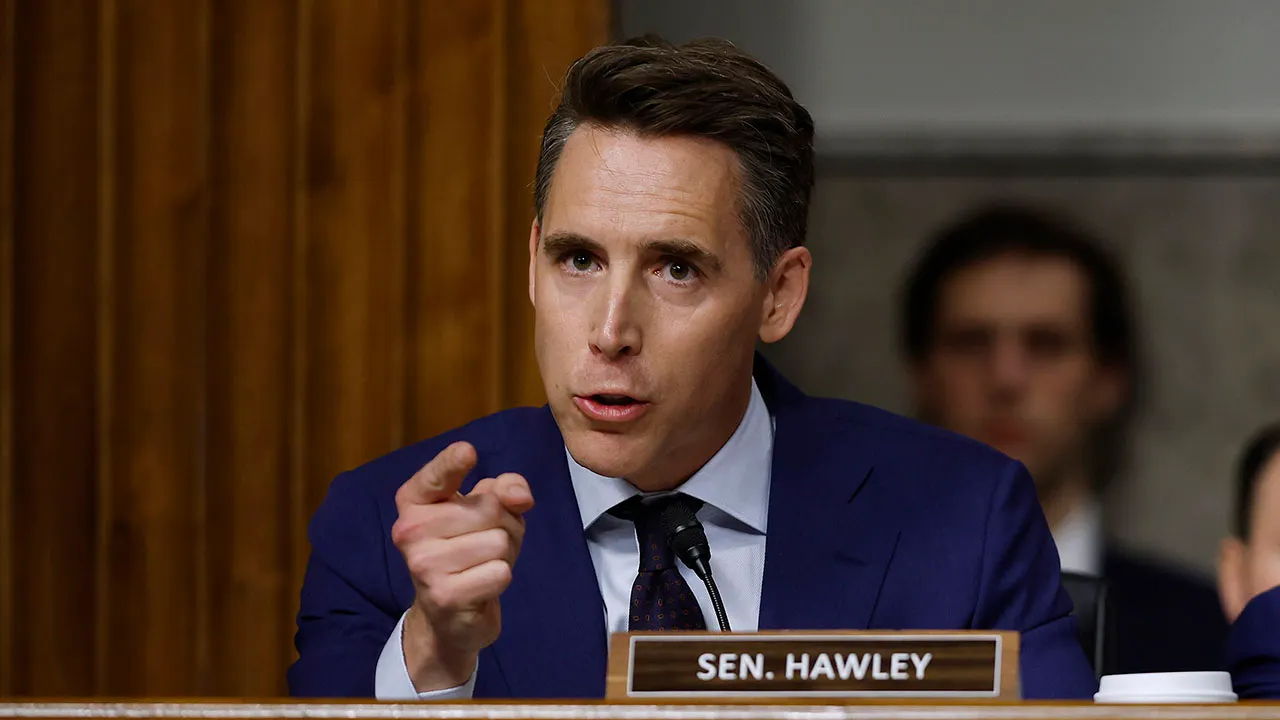
The intersection of taxpayer funding, reproductive healthcare, and the deeply personal realm of gender-affirming care has long been one of the most volatile arenas in American politics. As a critical legislative deadline fast approaches, Senator Josh Hawley, a Missouri Republican known for his sharp-edged populism and traditionalist values, has thrust himself into the center of this cultural storm. With the federal ban on tax dollars flowing to abortion providers scheduled to expire on Independence Day, Hawley is shifting the battleground from the termination of pregnancies to the highly sensitive and polarized issue of pediatric transition procedures. In a sharply worded letter addressed to the newly appointed Administrator of the Centers for Medicare & Medicaid Services (CMS), Dr. Mehmet Oz, Hawley is demanding an exhaustive federal investigation into Planned Parenthood. His challenge alleges that approximately $1.5 billion in Medicare and Medicaid funds, intended to serve as a vital safety net for America’s most vulnerable populations, are instead being systematically funneled into promoting and administering permanent, life-altering transgender medical interventions to minor children. By framing this as a misuse of taxpayer funds, Hawley seeks to tap into a growing conservative anxiety surrounding teenage identity, medical ethics, and the role of the state in parenting. This political maneuver elevates the stakes for Planned Parenthood, an organization that has historically been the primary target of anti-abortion campaigns, but is now finding itself defending its expanding portfolio of LGBTQ+ healthcare services. At its core, the unfolding conflict highlights a profound societal rift: while supporters view gender-affirming care as lifesaving, essential medicine, critics like Hawley see it as an unchecked, ideologically driven system operating at the expense of the American taxpayer.
Underpinning Hawley’s aggressive push for a federal audit are newly analyzed financial figures tracking the flow of federal subsidies to Planned Parenthood’s expansive national network. Between 2019 and 2022, a report published by the Government Accountability Office (GAO) in late 2023 tracked roughly $1.5 billion in federal funds allocated to the organization. While the GAO’s findings did not explicitly state, nor prove, that these specific public dollars were directly used to fund hormone therapies or transition-related surgical referrals for minors, Hawley has linked these financial streams to the organization’s overall budget growth. In the eyes of conservative lawmakers, money is fungible; funding any aspect of an organization’s operations inevitably frees up resources for them to expand other, more controversial services. For millions of low-income Americans, clinics operated by Planned Parenthood are not political battlegrounds, but essential community health hubs where they receive annual cancer screenings, preventative checkups, and affordable birth control. However, Hawley argues that by accepting these vast sums of public money, Planned Parenthood is indirectly propping up an aggressive mandate to expand gender-affirming treatments across the country. He points out that the organization’s provision of these transition services has grown dramatically, noting a reported forty percent year-over-year increase in patients seeking gender-affirming therapies. This massive spike in demand is the catalyst for Hawley’s demand that Dr. Oz investigate the financial books of Planned Parenthood, hoping to expose legal loopholes that he claims allow the organization to bypass standard medical oversight.
The human element of this debate is incredibly complex, touching the lives of transgender youth who feel trapped in bodies that do not match their identity, and parents who are trying to navigate these deeply personal decisions. For transgender advocacy groups and medical professionals, gender-affirming care—which includes puberty blockers, hormone replacement therapy, and social transitioning—is considered the gold standard of care, backed by major institutions like the American Academy of Pediatrics. They argue that these treatments drastically reduce rates of depression, anxiety, and suicide among vulnerable youth who already face immense societal hostility. However, Hawley and his allies present a very different narrative, warning that young adolescent minds are not cognitively mature enough to make irreversible medical decisions that could impact their future fertility and long-term health. Hawley’s letter accuses Planned Parenthood of exploiting legal loopholes to distribute transition medications to young people without securing proper parental consent, effectively cutting families out of some of the most critical decisions of a child’s life. This argument resonates with a growing movement of parental rights advocates who feel that public schools, healthcare institutions, and reproductive health clinics are actively undermining maternal and paternal authority. By framing gender transition as a form of “madness” pushed onto impressionable children, the senator is tapping into a deep-seated cultural fear that healthcare providers are prioritizing political ideology over the genuine, long-term well-being of pediatric patients.
The decision to appeal directly to Dr. Mehmet Oz, a celebrity physician who rose to national fame on television before running for the Senate and eventually being tapped by the Trump administration to lead CMS, is a highly strategic political choice. As the head of CMS, Dr. Oz oversees the massive administrative machinery of Medicare and Medicaid, giving him singular authority to initiate audits, investigate allegations of waste and fraud, and establish new compliance guidelines for healthcare providers receiving federal funds. Hawley is urging Oz to use this administrative power to put Planned Parenthood under an intense microscope, hoping that a federal investigation will uncover evidence that Medicaid dollars are being used to subsidize transition procedures in states where such care is restricted or where parental consent laws are being bypassed. For Oz, this request presents a high-profile test of his conservative credentials and his willingness to use his agency’s regulatory power to enforce the conservative movement’s cultural priorities. An investigation of this magnitude would not only disrupt the day-to-day operations of Planned Parenthood clinics nationwide but would also send a chilling warning to other healthcare networks providing gender-affirming care to minors. By targeting the financial lifeblood of these programs, Hawley and his supporters hope to accomplish through bureaucratic audits what they have struggled to fully codify into federal law due to the divided nature of Congress.
This administrative battle is unfolding against the backdrop of a high-stakes legislative campaign on Capitol Hill to permanently defund organizations that provide reproductive and gender-transition care. During Donald Trump’s presidency, conservative lawmakers successfully passed a budget package that effectively blocked federal tax dollars from flowing to abortion providers under Title X and other federal funding streams. However, this hard-fought provision is set to expire on July 4, creating an urgent sense of panic among social conservatives who dread the prospect of federal money once again supporting abortion clinics. Earlier this year, Hawley attempted to head off this deadline by introducing an ambitious amendment to a major federal budget reconciliation bill, which would have legally barred Medicaid funding from reaching abortion providers all the way through the year 2035. That effort ultimately failed, blocked by a thin Democratic majority and moderate lawmakers who argued that cutting off Medicaid dollars would devastate healthcare access for millions of low-income, pregnant, and minority women who have no alternative source of medical care. The defeat of this amendment has left conservatives with few options, forcing them to pivot from direct legislative bans to administrative investigations, using the power of oversight and public inquiry to disrupt the financial flow of organizations they oppose.
Ultimately, the standoff between Senator Hawley and Planned Parenthood represents a profound philosophical conflict regarding the fundamental role of government, the ethics of modern medicine, and the boundaries of personal freedom. On one side of this divide are those who believe that a compassionate government must fund comprehensive, non-judgmental healthcare for all citizens, including marginalized LGBTQ+ youth who deserve access to life-affirming medical transitions without political interference. On the other side are millions of Americans who feel a deep moral distress at the thought of their tax dollars being used to underwrite medical procedures that violate their core ethical, religious, and parental beliefs. As the July 4 deadline approaches and the political pressure on Dr. Oz’s agency intensifies, this conflict is poised to become a defining issue of the upcoming electoral cycle. It highlights the reality that in contemporary American life, healthcare is no longer just a matter of science and personal well-being, but a highly contentious political battlefield where the deep-seated disputes over childhood, gender, and parental rights are fought using the leverage of the federal budget. Whichever way the administration responds to Hawley’s demands, the resulting decision will have far-reaching consequences for the future of adolescent healthcare, the limits of parental oversight, and the financial survival of reproductive health clinics across the nation.