





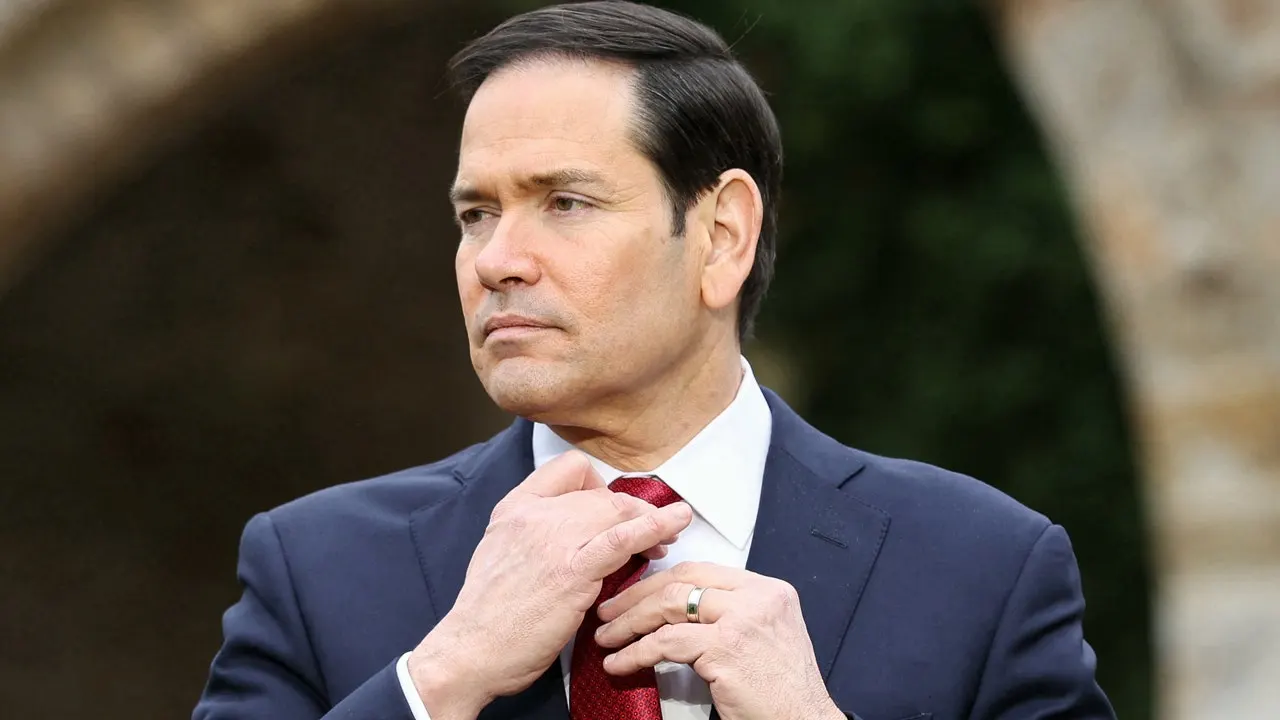
The halls of Congress have long functioned as a dual-purpose arena, serving simultaneously as a chamber for serious legislative oversight and a theater for high-stakes political performance. This delicate balance was on full display during a recent House Foreign Affairs Committee hearing, where Secretary of State Marco Rubio found himself at the center of a intense and occasionally surreal interrogation. Nominated by President Donald Trump to steer the nation’s diplomacy, Rubio expected to face rigorous questioning on pressing global crises, particularly the escalating tensions and military strategies surrounding Iran. Instead, the proceedings frequently veered away from traditional diplomacy, transforming the committee room into a battleground of personal grievances, viral soundbites, and unexpected fashion critiques that left onlookers and participants alike questioning the integrity of contemporary political discourse.
The tension reached a bizarre climax when Representative Sara Jacobs, a Democrat from California, pivoted from criticizing Rubio’s defense of the administration’s Iran policy to making a highly personal accusation regarding his wardrobe. Asserting that Rubio struggled with admitting basic truths, Jacobs claimed that the Secretary was unable to acknowledge that a pair of shoes gifted to him by President Trump did not fit. The accusation sparked visible bewilderment from Rubio, who seemed momentarily lost in the absurdity of discussing his footwear in a forum dedicated to national security. Defending his wardrobe with a mix of confusion and mild amusement, Rubio noted that the shoes in question—a pair of Florsheims—actually fit quite well. When Jacobs later attempted to soften the blow by complimenting his appearance, Rubio’s patience wore thin, asking how she could even see his feet from across the dais and wondering aloud if he had accidentally walked onto a circus stage rather than a congressional hearing.
This surreal exchange illuminated a deeper, more human frustration that many public officials experience when navigating the modern political landscape. For Rubio, the pivot to petty personal details felt like an indictment of the system itself, leading him to characterize the hearing as a “circus” and a “dunk tank” rather than an honest exchange of ideas. The frustration was not merely about shoes; it was about the apparent erosion of serious governance in favor of performative stunts designed to generate social media engagements. By reducing a massive geopolitical debate to a dispute over shoe sizes, the hearing highlighted how easily critical discussions about war, peace, and international treaties can be sidelined by the relentless pursuit of partisan points, leaving officials trapped in a cycle of mutual hostility.
While the debate over Rubio’s footwear captured the internet’s attention, the hearing did feature attempts to explore more substantive, albeit highly combative, avenues of inquiry. New York Democrat Gregory Meeks challenged the Secretary on a much more serious front, questioning whether President Trump’s private business interests and personal finances had played any role in shaping United States military actions against Iran. Rubio, who has been a frequent participant in executive foreign policy meetings, rejected the insinuation with fierce determination. He insisted that not once in his experience had the president ever conflated personal wealth with national defense strategy, arguing that such accusations undermined the gravity of the military decisions being made and ignored the real-world security threats facing the nation.
Beneath the dramatic confrontations lies a structural flaw in the way American congressional hearings are run, a systemic issue that Rubio laid bare during his testimony. Under the current rules, lawmakers are allotted strict five-minute windows to question witnesses, a format that often incentivizes rapid-fire accusations over deep, constructive dialogue. Rubio expressed deep exasperation with this setup, noting that he was frequently cut off and denied the time necessary to properly explain complex diplomatic maneuvers to the committee. When the process rewards quick, sensationalized soundbites rather than nuanced, comprehensive answers, the hearing ceases to function as an instrument of accountability and instead packages governance as high-tempo entertainment, alienating the very public it is intended to serve.
Ultimately, this combative session serves as a poignant reminder of the widening chasm between the urgent realities of global diplomacy and the hyper-partisan nature of domestic politics. While diplomats and military personnel deal with the life-and-death consequences of Middle Eastern policy, the representatives in Washington remain deeply entangled in an escalating culture war where even a gift of shoes can become a proxy battle for political legitimacy. As the public watches these heated exchanges unfold on their screens, the underlying hunger for substantive leadership and authentic communication remains largely unfulfilled. For Marco Rubio and his colleagues on both sides of the aisle, the challenge ahead lies in finding a way to restore dignity to these vital democratic institutions, ensuring that the serious business of statecraft is never completely eclipsed by the spectacle of the political circus.