






The marbled corridors of the United States Capitol, usually a bustling arena of partisan disputes and frenetic legislative maneuvering, fell into a rare, solemn hush as lawmakers, foreign dignitaries, and grieving family members gathered to pay their final, heartfelt respects to the late Senator Lindsey Graham. For decades, the South Carolina Republican had been a towering, passionate, and often boisterous fixture in Washington, known for his razor-sharp wit, his relentless foreign policy stances, and an uncanny ability to forge unexpected alliances across the political divide. Just hours after the final, emotional eulogies faded into the heavy Washington air, the Senate took a monumental step toward fulfilling what had become Graham’s ultimate legislative obsession: enacting a series of bone-crushing economic sanctions against the Russian Federation. In a poignant display of bipartisan unity that seemed to defy the typical gridlock of modern politics, a wave of senators pushed this massive sanctions package through its inaugural legislative hurdle. This was not merely the passage of standard foreign policy; it was a deeply emotional tribute to a fallen colleague whose presence still loomed large over the chamber. The bill, which has undergone various transformations since it was first conceived by Graham and his close friend, Democratic Senator Richard Blumenthal of Connecticut, serves as a direct, uncompromising response to the brutal conflict in Ukraine. For those left behind to carry on his work, the vote represented a sacred vow to translate their collective grief into decisive, historic action, proving that Graham’s voice, though quieted, still possesses the power to mobilize the most powerful legislative body in the world in defense of democracy.
At the epicenter of this deeply personal legislative crusade is Senator Darline Graham, who has stepped forward into the national spotlight to carry the torch her older brother held for so long. Recently appointed to fill his vacant seat, Darline has made history as South Carolina’s first female senator, yet her historic milestone is inextricably bound to a profound sense of personal loss. Stepping onto the Senate floor so soon after bidding her brother a final goodbye required an extraordinary display of fortitude—a quiet strength that did not go unnoticed by her new colleagues on both sides of the aisle. Working alongside Senator Blumenthal, she quickly threw herself into the painstaking work of updating, expanding, and renaming the sanctions bill, ensuring that her brother’s intellectual and moral legacy would be permanently enshrined in the laws of the United States. The resulting legislation, now officially designated the Lindsey O. Graham Sanctioning Russia and Iran Act, has become a powerful symbol of sibling devotion and political continuity. By transforming her personal tragedy into a relentless drive for global justice, Darline has sent a clear message to the world that the Graham family’s commitment to standing against autocracy remains entirely unbroken. Her presence in the Senate chambers serves as a living bridge between the late senator’s lifetime of public service and the unfolding future of American leadership on the global stage.
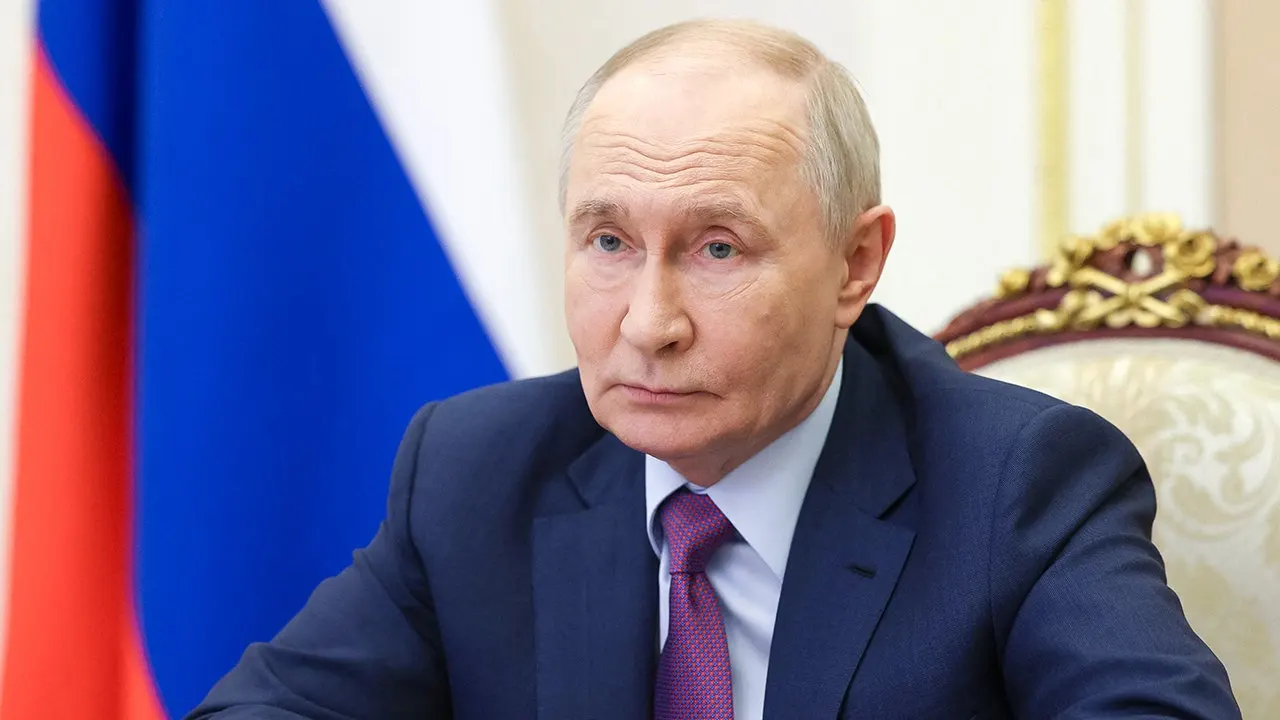
This powerful emotional current has successfully bridged the partisan divide, breathing new life into a bipartisan coalition that many observers believed had long since withered. Senator Jon Husted, a Republican from Ohio, poignantly recalled his very first interaction with Lindsey Graham, remembering how the veteran senator immediately launched into a passionate, detailed discourse on the strategic necessity of Russian sanctions. To Graham, as Husted noted, sanctions were never about mere economic theory; they were one of the most humanitarian and effective foreign policy tools available to the United States, offering a potent means to halt foreign wars and cripple aggressive regimes without the devastating necessity of committing American service members to active combat. This profound respect for the human cost of conflict is what drives the bill’s primary sponsor, Senator Blumenthal, who has repeatedly warned that the survival of Ukraine hangs in the balance during this pivotal moment of the war. The core, uncompromising objective of the legislation remains focused on completely defunding Russian President Vladimir Putin’s military apparatus by systematically cutting off his most lucrative source of revenue: international oil and gas transactions. In the eyes of its creators, every dollar denied to the Kremlin is a missile that cannot be built, an ordnance that cannot be fired, and an innocent civilian life that can be spared from the devastating theater of war.
The newly minted Lindsey O. Graham Sanctioning Russia and Iran Act is an incredibly robust and retaliatory piece of legislation, carrying the intense economic weight that Graham believed was necessary to deter global aggression. In its current, refined iteration, the bill strategically broadens its scope to include severe new sanctions targeting Iran’s energy and weapons sectors, acknowledging the deep financial and logistical ties that bind Tehran and Moscow in their respective campaigns of global disruption. By expanding the framework to address both Eastern European aggression and Middle Eastern instability, the law aims to provide international theorists and negotiators with maximum leverage as they seek to broker long-term peace agreements. The teeth of the bill are remarkably sharp, mandating tariffs of up to 500% on a wide array of Russian imports and threatening up to 100% tariffs on third-party nations—such as China and India—that continue to bolster the Russian economy by purchasing its energy reserves. Furthermore, the legislation targets the Russian leadership directly, levying personal sanctions against Putin, top-tier oligarchs, and military commanders who have orchestrated the invasion. Crucially, the bill also incorporates a strategic degree of flexibility, granting President Donald Trump the constitutional authority to temporarily ease or lift specific sanctions in response to verifiable diplomatic progress, effectively equipping the executive branch with a powerful carrot-and-stick mechanism to steer adversaries toward peaceful resolution.
Perhaps the most vivid testament to the deep human relationships driving this legislation was the historic and perilous journey made by Ukrainian President Volodymyr Zelenskyy, who traveled directly from his embattled nation to Washington, D.C. to attend Graham’s funeral services. For Zelenskyy, Graham was not merely a political ally in a distant capital, but a devoted, fearless friend who had repeatedly visited Kyiv to stand shoulder-to-shoulder with the Ukrainian people during their darkest hours of survival. Amid the somber atmosphere of the memorial, Zelenskyy utilized his visit to engage in deeply consequential diplomacy, meeting privately with President Trump and key lawmakers to passionately advocate for the immediate passage of the sanctions bill. He took to social media to share his profound gratitude, noting that his first priority was to offer heartfelt condolences to Trump on the passing of a true champion of freedom. Their discussions quickly turned to critical survival strategies, specifically focused on obtaining production licenses for Patriot interceptor missiles to defend Ukrainian cities against relentless aerial bombardment, as well as the urgent need to reinvigorate the global diplomatic process. Zelenskyy’s presence served as a stark, living reminder of why Graham fought so hard for these sanctions, illustrating that behind the dense legalese of tariffs and financial controls lie the very real, human struggles of a nation fighting to preserve its sovereign right to exist.
As the Lindsey O. Graham Sanctioning Russia and Iran Act continues its journey through the legislative process, it stands as a shining monument to the enduring impact of a single lawmaker’s conviction and the profound power of legacy. It is a rare and beautiful moment in modern governance where strategic national interest, deep personal grief, and global solidarity have aligned to produce a transformative piece of legislation. Through the unwavering determination of Senator Darline Graham, the memory of her brother has been translated into an active, protective shield for oppressed peoples worldwide, proving that a leader’s mission does not have to end when their life does. The bill sends a resounding and unmistakable message to authoritarian leaders across the globe that the United States remains steadfastly committed to the defense of liberty and will use its unparalleled economic might to push back against lawless aggression. By naming this vital act after Lindsey Graham, the Senate has secured his place in the annals of history, ensuring that his final, passionate defense of global freedom will be remembered not just as a eulogy, but as a living command written into the very fabric of American law. Through this act of collective honor, the late senator’s final mission edges closer to a triumphant finish, offering a legacy of hope and strength to a world desperately in search of both.