





For millions of working-class families across the United States, the high-stakes geopolitical drama unfolding in the Persian Gulf is not merely an abstract sequence of cable news headlines; it is a daily anxiety felt acutely at the gas pump and the grocery checkout lane. As the Trump administration navigates a volatile high-wire act of intense diplomacy and military posturing against Iran, a quiet but relentless economic clock is ticking back home, threatening to disrupt the domestic political landscape. The heart of the global energy supply chain, the Strait of Hormuz, has been severely choked by ongoing conflict and successive Iranian attacks, stranding massive cargo ships and locking down critical maritime trade routes. Even if a sudden and miraculous diplomatic breakthrough were to reopen this vital global artery tomorrow, oil market analysts warn that the physical damage is already deep and compounding. According to Matt Smith, a leading oil analyst at Kpler, the logistical bottlenecks are immense, characterized by trapped supertankers, bloated regional inventories, and heavily damaged energy infrastructure that cannot simply be turned back on with the flip of a switch. Smith estimates that it will take until at least the fourth quarter of the year for normal global oil flows to fully recover, a protracted timeline that drags the normalization of global energy markets perilously close to the pivotal November 3 midterm elections, leaving the ruling party in a desperate race against time.
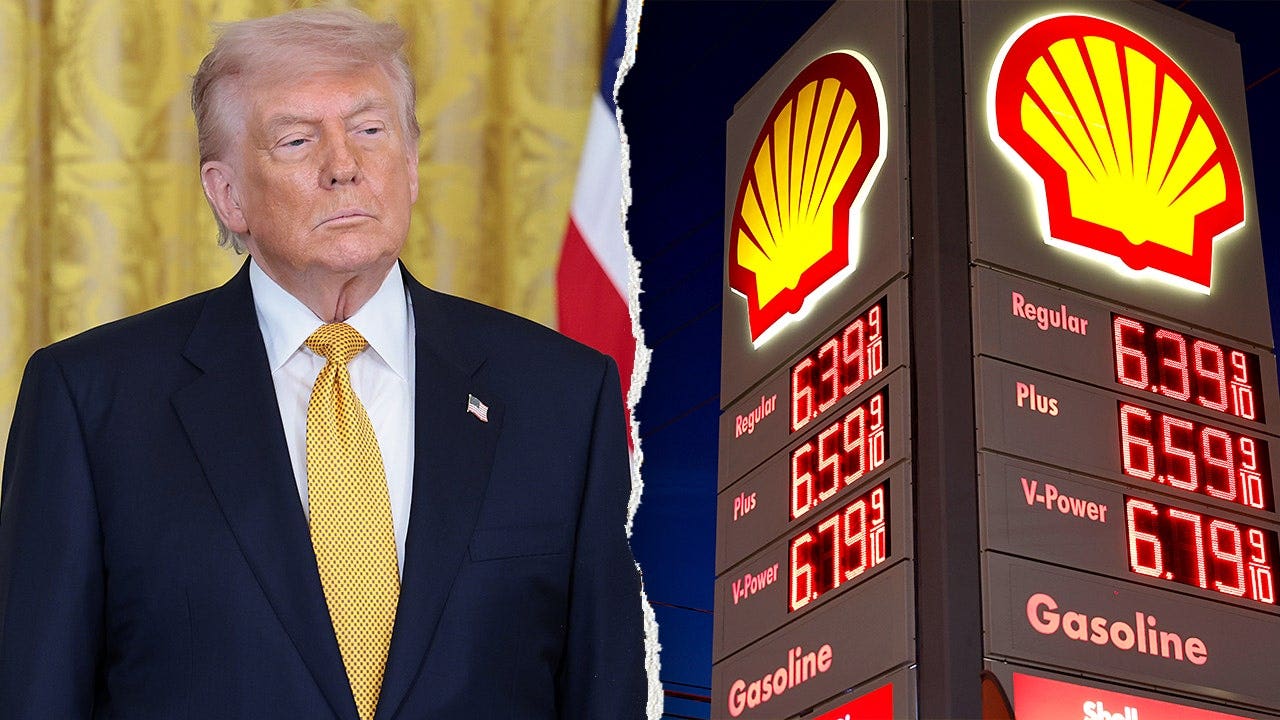
This prolonged disruption is forcing a difficult question upon Republican strategists and energy policy experts alike: will the lingering economic collateral damage of this foreign policy crisis outlast the conflict itself, leaving voters to nurse financial wounds long after peace deals are signed? The financial pressure on ordinary Americans is already staggering, with the national average price of regular unleaded gasoline climbing to $4.241 per gallon, representing a punishing 35% increase from the prior year’s average of $3.144. According to a grim economic assessment from Moody’s Analytics, this sustained price spike has extracted a staggering $100 billion toll on American households over just a three-month span, which translates to a devastating $750 tax per family in the form of inflated fuel bills, skyrocketing home heating costs, and higher prices for everyday goods carried by diesel-burning semi-trucks. For a middle-class family already living paycheck to paycheck, this $750 deficit means cutting back on summer vacations, postponing home repairs, or choosing cheaper grocery items to make ends meet. Doug Heye, a veteran Republican strategist, points out that the administration has already missed its window to keep this crisis from becoming a major political millstone, noting that the public was initially promised a swift, 24-to-48-hour operation, meaning the situation has officially evolved from a brief geopolitical blip into a deep, structural pocketbook issue that could decimate the GOP’s razor-thin House majority and endanger key Senate seats in states like North Carolina, Maine, Ohio, and Texas.
In response to growing domestic alarm, the White House has actively pushed back against the narrative of long-term political vulnerability, insisting that the economic pain is merely a painful but necessary transition toward long-term stabilization and national security. White House spokesperson Taylor Rogers emphasized that President Trump remains fiercely committed to keeping the American public safe and lowering household expenses, claiming that his administration aggressively anticipated these short-term market fluctuations and is actively executing mitigation strategies. The official administration stance frames this high-stakes confrontation as a critical test of national resolve, with Rogers asserting that Trump will never allow a hostile Iran to secure a nuclear weapon and promising that once the President forces a successful resolution, gas prices will plummet back to multi-year lows. Yet, this official confidence contrasts sharply with the President’s own unpredictable public statements; Trump has alternatively teased imminent diplomatic breakthroughs and expressed intense frustration with the slow pace of international negotiations, labeling the talks “boring,” claiming he “couldn’t care less” if they collapse entirely, and yet simultaneously asserting that energy prices will soon drop “like a rock.” This mixed messaging has left both voters and financial markets in a state of perpetual suspense, while strategists like John Feehery argue that the White House has a rapidly closing window—specifically pointing to the July Fourth holiday as a hard deadline—before the economic drag permanently derails the broader consumer economy ahead of the nation’s highly anticipated 250th anniversary celebrations.
Beyond the political talking points lies the complex, interconnected physics of global energy markets, which refuse to bend to the will of Washington campaign managers or diplomatic communiqués. Although the United States has achieved historic levels of domestic energy production over the last decade, Matt Smith of Kpler points out that American consumers are still fundamentally tethered to global price dynamics because the U.S. is increasingly acting as a lifeline supplier to foreign allies. As Asian economies scrambled to replace lost Middle Eastern crude and European nations bid aggressively on alternative sources of jet fuel and diesel to keep their own economies afloat, international buyers began outbidding domestic processors for American oil exports, inadvertently driving up prices for consumers right here at home. This global bidding war creates a painful economic paradox where domestic energy abundance does not shield local drivers from high global prices; instead, it exposes them directly to foreign scarcity. Consequently, the average American commuter in Ohio or Texas is directly paying the price for Europe’s energy security and Asia’s supply chain anxieties, demonstrating how a localized conflict in the Persian Gulf can instantly transform domestic gasoline stations into high-stakes economic battlegrounds.
This frustrating economic reality underscores a fundamental truth about voter behavior that veteran political operatives have observed for generations: when citizens enter the voting booth, they are rarely thinking about foreign policy technicalities, military strategies, or the percentage levels of uranium enrichment in a distant country. Republican strategist John Feehery warns that the average voter does not care about the minutiae of international non-proliferation treaties; they care about their immediate sense of financial security and whether their wages are keeping pace with their monthly bills. Feehery invokes the powerful and cautionary historical precedent of George H.W. Bush, who executed a masterclass in coalition building and successfully expelled Saddam Hussein from Kuwait in the early 1990s, earning an unprecedented 91% public approval rating in the immediate aftermath of the Gulf War, only to lose his re-election bid shortly thereafter because of a sluggish domestic recession. This history lesson suggests that voters have incredibly short memories for foreign policy triumphs when they feel financially squeezed at home, creating a dangerous political blind spot for any political party that miscalculates the depth of public anger over prolonged inflation and elevated energy costs.
Ultimately, the ultimate test for the Trump administration and congressional Republicans heading into the fall midterms will be whether they can convince an increasingly skeptical public that temporary domestic financial hardship was worth the price of global stability. As Doug Heye grimly notes, even if a comprehensive treaty with Iran were signed tomorrow and the price of crude oil instantly plummeted, voters are not going to receive a retroactive refund for the hundreds of dollars they have already drained from their checking accounts over the past several months. The economic scars of this high-priced spring and summer have already been burned into the household budgets of millions of families, and those financial wounds are highly likely to influence how they view the administration’s competence and priorities when they cast their ballots in November. In the end, the political survival of the Republican majority may not be decided by the strength of the U.S. military or the cleverness of diplomatic negotiations in Geneva, but by the quiet frustrations of ordinary Americans watching the numbers spin on a gas pump, waiting for an economic relief that may simply arrive too late to save the party in power.