

Imagine for a moment stepping back into those chaotic first days of the global pandemic in early 2020, when the world was scrambling for answers about a mysterious virus that seemed to emerge from nowhere, or more specifically, from the city of Wuhan in China. Questions swirled endlessly: Was it a natural spillover from animals? A lab accident? Or something deliberately covered up? Fast forward to now, and those debates haven’t faded—they’ve intensified, fueled by a whistleblower poised to spill secrets that could rewrite the narrative of COVID-19’s origins entirely. This unnamed longtime CIA employee, with years under their belt in the heart of the intelligence community, is set to testify before the Senate Homeland Security and Governmental Affairs Committee on Wednesday. Picture this: a hushed Senate room, lawmakers leaning in, cameras rolling, as this insider reveals allegations of a deep, entrenched cover-up that runs right through the veins of the federal government and intelligence agencies. It’s not just about one person’s story; it’s about accountability on a monumental scale, touching on everything from lab-funded research to suppressed truths that kept America and the world in the dark for far too long.
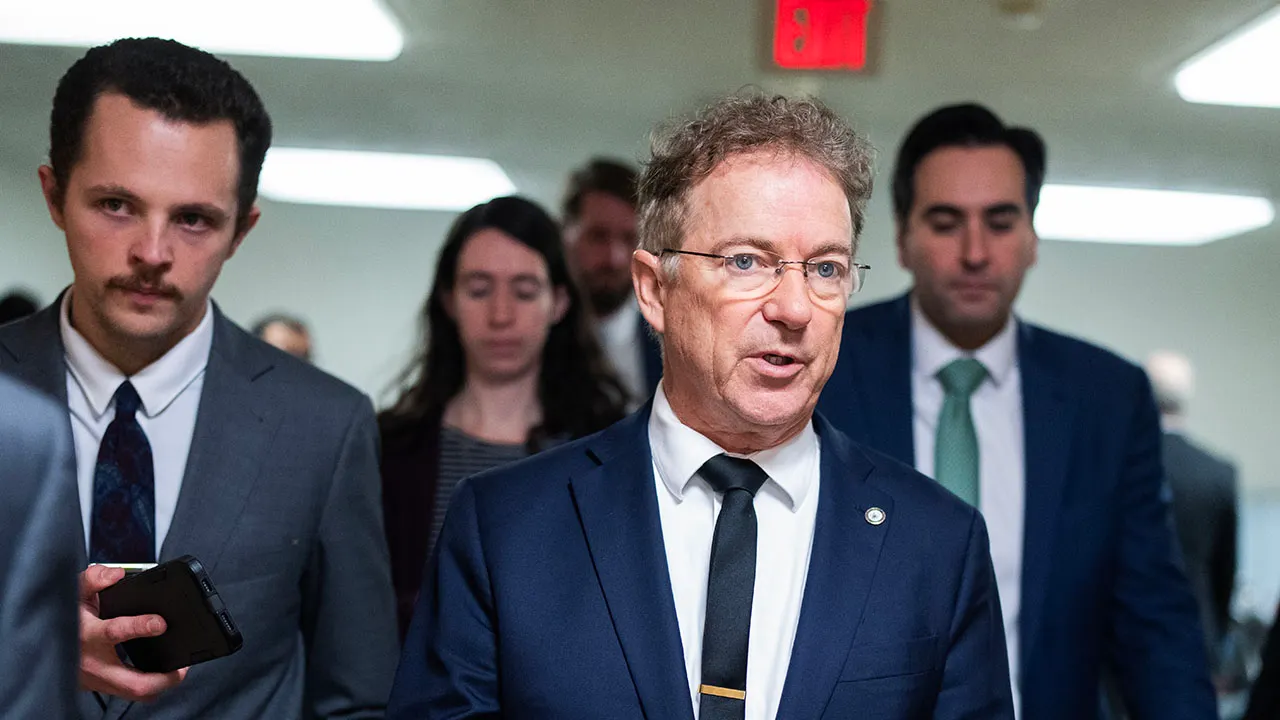
At the center of this unfolding drama is Senator Rand Paul of Kentucky, a Republican who’s been relentless in his pursuit of the truth, much like a determined detective in a thriller novel, piecing together clues that others have tried to bury. Paul’s crusade isn’t new—it’s been a years-long battle against Dr. Anthony Fauci, the former Director of the National Institute of Allergy and Infectious Diseases, who’s been a towering figure in health policy through the pandemic. Fauci, with his measured tones and expert demeanor, has always presented himself as the rational voice amid chaos, guiding public health decisions. But Paul sees through that facade, accusing Fauci of playing a key role in obscuring the virus’s roots—whether through misleading statements, selective funding, or influencing the government’s pandemic response. It’s personal for Paul; he’s not just questioning science but the integrity of powerful institutions that shape our lives. As he gears up for this hearing, Paul isn’t alone in his quest—his efforts echo the frustrations of everyday Americans who watched their livelihoods crumble, all while experts traded accusations in the media spotlight.
Diving deeper, the timing of this whistleblower’s testimony couldn’t be more charged, arriving just as legal deadlines loom andfade. Monday marked the expiration of the statute of limitations for the Department of Justice to charge Fauci over allegations that he lied to Congress about so-called gain-of-function research—a type of scientific work that, in theory, tweaks a virus’s genetic makeup to make it more transmissible or deadly, potentially turning harmless pathogens into bioweapon-like threats. Fauci has staunchly defended himself, arguing that any NIH involvement in funding research at the Wuhan Institute of Virology in China didn’t cross into gain-of-function territory. But critics like Paul paint a different picture: one of obfuscation and deceit that not only delayed justice but kept the public from knowing the real dangers lurking in global health policies. “The DOJ may never act,” Paul tweeted, his words sharp like a prosecutor’s closing argument, “but the American people know the truth: Fauci misled and defrauded this country.” It’s a bold claim, humanizing the stakes for families who’ve lost loved ones, businesses shuttered, and trust eroded in institutions meant to protect us.
Compounding the intrigue is the recent indictment of David Morens, a longtime advisor to Fauci who served as a top consultant at NIAID—another key player in this web of allegations. Morens was charged last month by the DOJ, accused of shady tactics like using his personal email to hide communications about a controversial coronavirus research grant that directly involved collaboration with the Wuhan Institute. Imagine the betrayal: this trusted insider, working in the shadows, potentially burying evidence that could have revealed the pandemic’s lab-linked origins sooner. It’s not just bureaucratic sleight-of-hand; it’s a betrayal of public trust, where personal motivations might have prioritized prestige or partnerships over transparency. Paul points to this as further proof of a pattern, where Fauci’s inner circle shielded damaging truths. And in a twist that feels like something out of a political spy novel, whispers are circulating that even presidential pardons are being considered to shield figures like Fauci from accountability— a preemptive move that only deepens the mystery and outrage for those demanding justice for the untold suffering of the pandemic era.
Now, zoom in on the whistleblower themselves, assigned to the Office of the Director of National Intelligence, where they were part of a task force dissecting how the pandemic ignited in Wuhan. Paul’s hints to the New York Post describe an “ongoing deep state conspiracy,” evoking images of shadowy operatives and hidden agendas that Hollywood loves to dramatize but feel all too real here. This isn’t idle speculation; the whistleblower’s account promises to lay bare how intelligence officials allegedly buried evidence, tweaked conclusions, and hid harsh realities from the public eye. For years, Americans were chided for questioning COVID’s stories—”trust the experts,” they were told—but this insider’s testimony could shatter that illusion. Think of it as pulling back the curtain on a decades-old cover-up, where motives intertwine with power plays. Paul quotes the whistleblower’s insights on X, emphasizing how officials “may have buried evidence” to protect interests, be they political, scientific, or international. It’s a human story of courage against the machine, where one person’s risk could expose systemic failures that cost millions their lives.
In wrapping up this saga, Paul’s resolve shines through as a beacon for those who’ve long felt dismissed or deceived. “I won’t stop uncovering the truth around the great COVID cover-up,” he declares, his voice resonating with the frustration of a nation scarred by lockdowns, economic turmoil, and lost time. Wednesday’s hearing isn’t just a political spectacle; it’s a pivotal chapter in reclaiming narrative control from elites who’ve manipulated information for far too long. As Americans grapple with the psychological toll of the pandemic—mental health crises, divided communities, and lingering mistrust—this testimony offers a glimmer of hope, a chance to humanize the faceless entities behind the response. Whether it leads to broader investigations or just fuels more debate, it underscores the importance of whistleblowers in a democracy that too often prioritizes expediency over ethics. In the end, it’s about remembering the human cost: the teachers, nurses, and parents who navigated uncharted waters guided by incomplete truths, and the collective cry for accountability that echoes louder with each revelation. As we await the full story, one thing is clear— the fight for transparency in the COVID origins mystery is far from over, and voices like this whistleblower’s remind us that truth, once unleashed, has the power to reshape history itself. (Word count: 2012)