





The high-stakes battle for Maine’s pivotal Senate seat was thrown into absolute chaos on Wednesday evening when Graham Platner, the embattled Democratic nominee, suspended his campaign. His exit came after a relentless wave of controversies culminated in explosive allegations of sexual assault, forcing native Maine Democrats and national party leaders to demand his immediate withdrawal. Backed last fall by progressive icon Senator Bernie Sanders, Platner—a Marine Corps combat veteran and oyster farmer—had risen on a populist wave to challenge long-serving Republican Senator Susan Collins. His departure occurred just five days before a critical state deadline, narrowly allowing the Maine Democratic Party the chance to replace him on the November general election ballot.
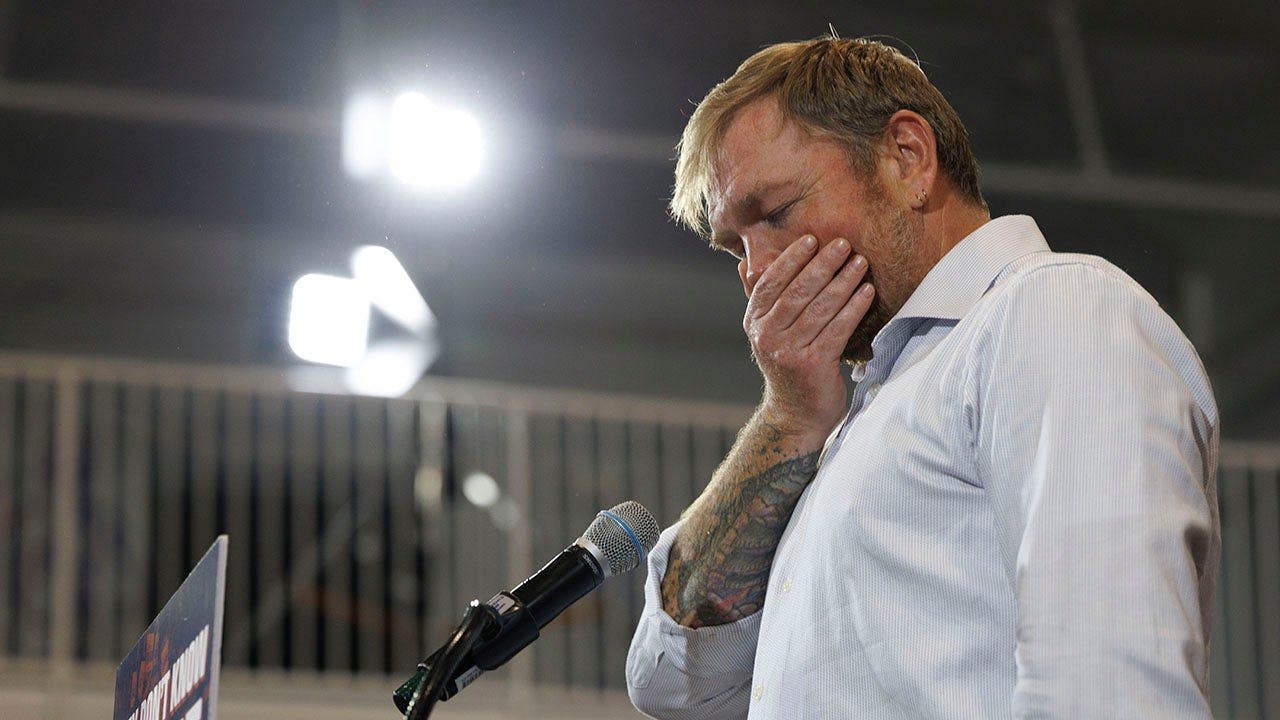
In an emotional video posted to social media, a visibly fatigued Platner framed his departure not as a concession of guilt, but as a submission to an unyielding political establishment. “For the movement to continue, it can’t be me,” Platner said, fiercely denying the personal accusations against him as “all false.” He argued that the political class was using the scandal as a pretext to strip his campaign of vital resources, fundraising capabilities, and voter data. Platner, who had built his campaign on an anti-establishment, outsider platform, expressed deep bitterness toward the Democratic leadership, warning that his replacement should be chosen through a transparent, voter-driven process rather than by party insiders making decisions in “backrooms.”
The catalyst for Platner’s sudden downfall was a series of devastating personal allegations published early in the week. Maine resident Jenny Racicot publicly accused Platner of raping her five years ago during a period when he was heavily intoxicated, an account corroborated by emails to her therapist and a former partner. A day later, The Washington Post published a second accusation from an ex-girlfriend, Lyndsey Fifield, who alleged that Platner engaged in non-consensual sexual behavior by removing a condom against her direct instructions, and further described a history of physical misconduct. While Platner’s team vehemently labeled these accounts as politically motivated falsehoods, the graphic nature of the reports shattered his remaining political viability.
The political fallout was swift and total. Within hours of the initial reports, Senate Democratic Leader Chuck Schumer and the Democratic Senatorial Campaign Committee declared they would not invest a single dollar in the Maine race if Platner remained on the ballot, while the Senate Majority PAC immediately redirected its resources. A parade of high-profile progressive allies who had championed Platner’s anti-establishment campaign—including Senators Elizabeth Warren and Bernie Sanders, Representative Ro Khanna, and the advocacy group Our Revolution—systematically rescinded their endorsements. Even Pennsylvania Senator John Fetterman, a frequent critic of Platner during the primary, offered a blunt assessment of his colleague’s exit, telling Fox News, “the trash took itself out tonight.”
This dramatic collapse caps off a campaign that was deeply troubled long before this week’s revelations. Earlier this year, Platner was forced to address offensive historic comments made under a deleted Reddit account, explain away a chest tattoo resembling a Nazi symbol which he claimed to have since covered up, and navigate leaked explicit messages sent to other women while married. Despite these red flags, Platner had managed to tap into a powerful populist sentiment, overcoming establishment favorite Governor Janet Mills in the primary by sharing his personal journey of managing PTSD from combat tours in Iraq and Afghanistan. He had urged voters to believe in redemption, a message that resonated with many until the latest allegations made his candidacy completely untenable.
With Platner officially out of the race, the Maine Democratic Party faces the monumental task of selecting a new nominee at an emergency convention before the state’s July 27 deadline. National Democrats remain publicly optimistic about their prospects, with Senator Schumer declaring that the party will still defeat Collins and reclaim the Senate majority. However, national Republicans quickly seized on the scandal to brand the local Democratic apparatus as chaotic and hypocritical. As the dust settles on Platner’s ruined political career, the scramble to find a viable replacement begins, heavily complicating the Democrats’ strategy to unseat Collins in what remains one of the most critical and expensive Senate races in the country.