





In the quiet, suburban landscape of Fort Worth, Texas, the public image of a traditional family matriarch was shattered by the chilling reality of a clandestine radicalization. Nazira Haji Zada, an Afghan national who had sought refuge in the United States, was recently arrested in an unprecedented national security operation that has sent shockwaves through both her local community and the federal justice system. To her neighbors, she may have seemed like any other matriarch navigating the displacement of a war-torn homeland, but to federal investigators, she was the ideological anchor of a domestic terror cell. According to newly unsealed court records, Haji Zada is accused of active involvement in an Islamic State-inspired conspiracy designed to inflict mass casualties on American citizens as they participated in the cornerstone of their democracy: Election Day. This startling arrest marks a historic turning point in American jurisprudence, as the Trump administration has taken the extraordinary step of activating a specialized, long-dormant federal court—the Alien Terrorist Removal Court—to secure her swift deportation. This dramatic escalation highlights the deeply complex and human tragedy of a family that fled geopolitical instability, only to transplant a virulent strain of extremism onto American soil.
The gravity of the allegations lies not just in the potential devastation of the aborted plot, but in the intimate family dynamics that fueled it. Haji Zada is identified as the maternal nucleus of a radicalized unit, having allegedly coerced her own children into pledging their solemn allegiance to the Islamic State. The terror cell she guided was comprised of her own flesh and blood, including her son, Abdullah Haji Zada, and her son-in-law, Nasir Ahmad Tawhedi. Tawhedi’s journey is particularly jarring; he had once earned the trust of the United States military by serving as a security guard for a U.S. facility in Afghanistan, using that security clearance as a stepping stone to bring his family to America. Once settled, however, that trust was violently betrayed. Behind closed doors, under the watchful and supportive eye of Haji Zada, the family systematically planned a mass casualty shooting. They liquidated their meager assets, purchased AK-47 assault rifles, bought one-way tickets to send their wives and children back to Afghanistan, and prepared for a final, lethal confrontation on November 5, 2024. The arrest of Haji Zada and the subsequent 15-year prison sentence handed to her son represent the tragic collapse of a family unit that chose the path of ideological martyrdom over the quiet promise of a peaceful American life.
To prosecute and expel Haji Zada, the Department of Justice has bypassed conventional immigration channels, opting instead to awaken a judicial relic of the post-Cold War era. The Alien Terrorist Removal Court (ATRC) was established by Congress under the Antiterrorism and Effective Death Penalty Act of 1996, in the shadow of the Oklahoma City bombing and early threats of international terrorism. Designed to handle cases where the government possesses highly classified intelligence that cannot be disclosed in open court without compromising vital national security assets, the ATRC has sat entirely unused for nearly three decades. Its sudden activation in Washington, D.C., signifies that the evidence against Haji Zada is both deeply sensitive and profoundly serious. Composed of five federal district judges handpicked by the Chief Justice of the Supreme Court, the ATRC represents a twilight zone of American law where secret evidence is weighed against the fundamental right of a noncitizen to remain in the country. By utilizing this court for the first time in history, the Trump administration is signaling a new, aggressive era of counterterrorism, signaling that the legal boundaries of national defense are being actively redrawn to combat modern security threats.
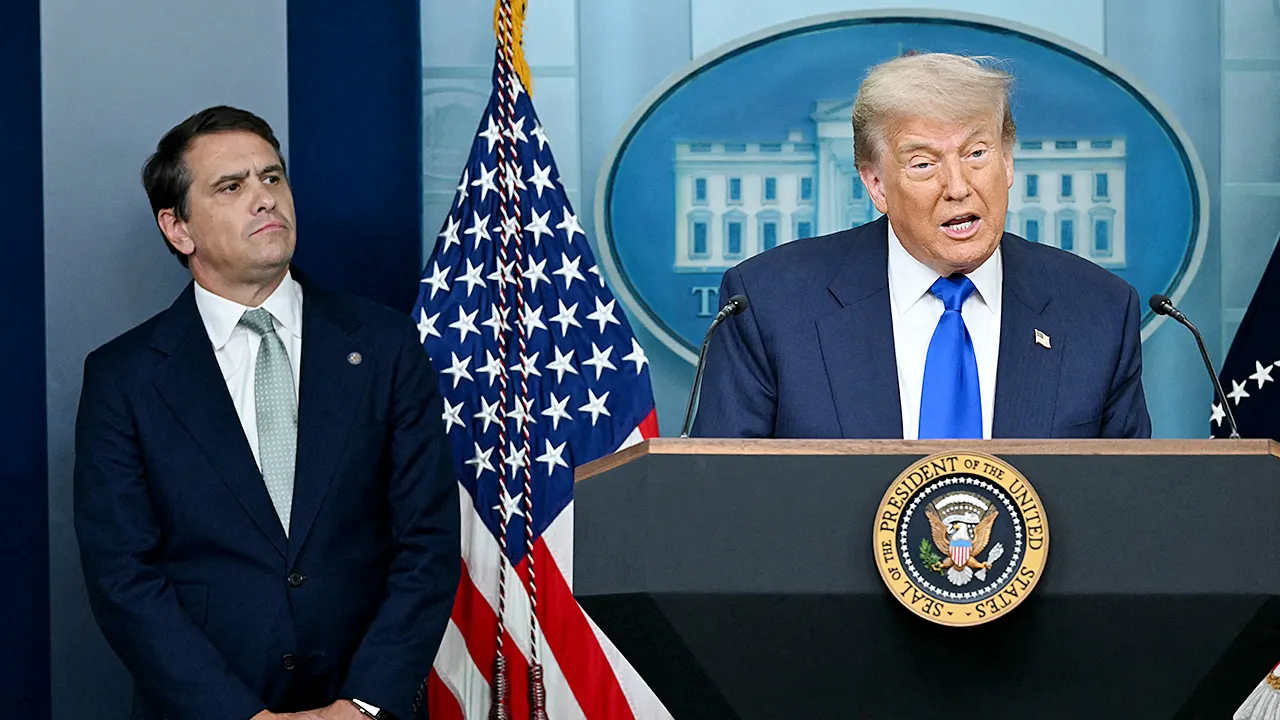
The political ramifications of this legal maneuver are swift and polarizing, reflecting the administration’s uncompromising stance on border security and domestic safety. Acting Attorney General Todd Blanche issued a stern, unequivocal directive regarding the case, stating that “terrorists have no place in the United States of America” and noting that the ATRC was built precisely to expel individuals who “never should have been here in the first place.” This rhetoric cuts to the heart of a highly sensitive national debate regarding the screening and integration of Afghan evacuees who arrived in the wake of the chaotic 2021 U.S. withdrawal from Kabul. For the broader, law-abiding Afghan diaspora in America—many of whom risked their lives aiding U.S. forces and are striving to build honest lives—this public trial threatens to cast a shadow of suspicion over their entire community. The human cost of this narrative is immense, as a single radicalized family can easily become a political talking point that fuels xenophobia, overshadowing the thousands of refugees who cherish their newfound safety and actively reject the ideology that ruined their homeland.
Beneath the political statements and legal mechanics lies a profound ethical debate concerning civil liberties and the constitutional promise of due process. Legal scholars and human rights advocates have long looked at the Alien Terrorist Removal Court with deep skepticism, warning that a court reliant on secret, classified evidence risks stripping an accused individual of their right to a fair defense. The dynamic of confronting an accusation when the underlying evidence cannot be fully seen, cross-examined, or challenged by the defendant challenges the very principles of the American legal tradition. Yet, national security officials counter that the threat of modern, decentralized terror plots requires unconventional tools to protect the public from mass slaughter. They argue that when a resident alien actively seeks the destruction of the nation hosting them, the state’s primary moral obligation must be the immediate protection of its citizenry, even if it requires utilizing specialized, confidential legal proceedings. This tension between the preservation of open justice and the absolute necessity of public safety remains one of the modern era’s most challenging and unresolved dilemmas.
As the legal proceedings begin at the E. Barrett Prettyman U.S. Courthouse in Washington, D.C., the immediate future of Nazira Haji Zada hangs in the balance, framed by a lonely and high-stakes courtroom battle. The image of an elderly Afghan matriarch standing before a panel of elite federal judges, stripped of her family and facing permanent exile, is a sobering reminder of the destructive power of radicalization. This historic case will not only decide her fate but will also set a powerful legal precedent for how the United States government utilizes its most secretive judicial powers in the years to come. In the end, the story of the Haji Zada family is a modern tragedy of squandered opportunity and corrupted beliefs. They were given a rare chance to rebuild their lives in safety, away from the violence that has ravaged Afghanistan for generations, yet they chose to bring that very violence to the suburbs of Texas. As the ATRC convenes to deliberate, the nation is left to ponder the delicate balance between mercy and security, and the persistent challenge of defending a free society against those who seek to destroy it from within.