





Have you heard about this wild development? The Pentagon is officially pushing Congress to make the rename of the Department of Defense to the Department of War a permanent thing, and get this—it’s not gonna break the bank as much as people thought. They’re estimating the whole shebang will cost taxpayers around $52 million to handle the paperwork, updates, and everything else involved. That’s way less than some early predictions that had folks freaking out about a ballooning price tag. Imagine putting that kind of money into something symbolic like this in a time when budgets are tight—it’s got everyone debating if it’s worth the hype. But hey, the Pentagon says it’s all under control, with most of the expenses sneaking into the current fiscal year so it doesn’t mess up future defense spending plans. It’s funny how something so straightforward stirs up so much conversation about priorities and values in Washington.
Diving a bit deeper, that $52 million estimate comes straight from the Pentagon’s own projections, and it’s a far cry from what the Congressional Budget Office (CBO) eyed back in January. They initially guessed it could hit $125 million if the changes rolled out “broadly and rapidly” across the whole department—think of all the offices, signs, and systems that would need tweaking. But the Pentagon is playing it cool, insisting there’s no “significant impact” on President Trump’s fiscal 2027 defense budget. Officials claim the real costs will show up as the implementation wraps up this fiscal year, and they’ll have the full numbers soon. It’s like ripping off a Band-Aid slowly; taxpayers get to spread out the financial sting rather than dealing with it all at once. For a move driven by an executive order from Trump himself last fall, you can picture the Pentagon folks thinking, “Let’s just get this over with without derailing the big picture for national security.”
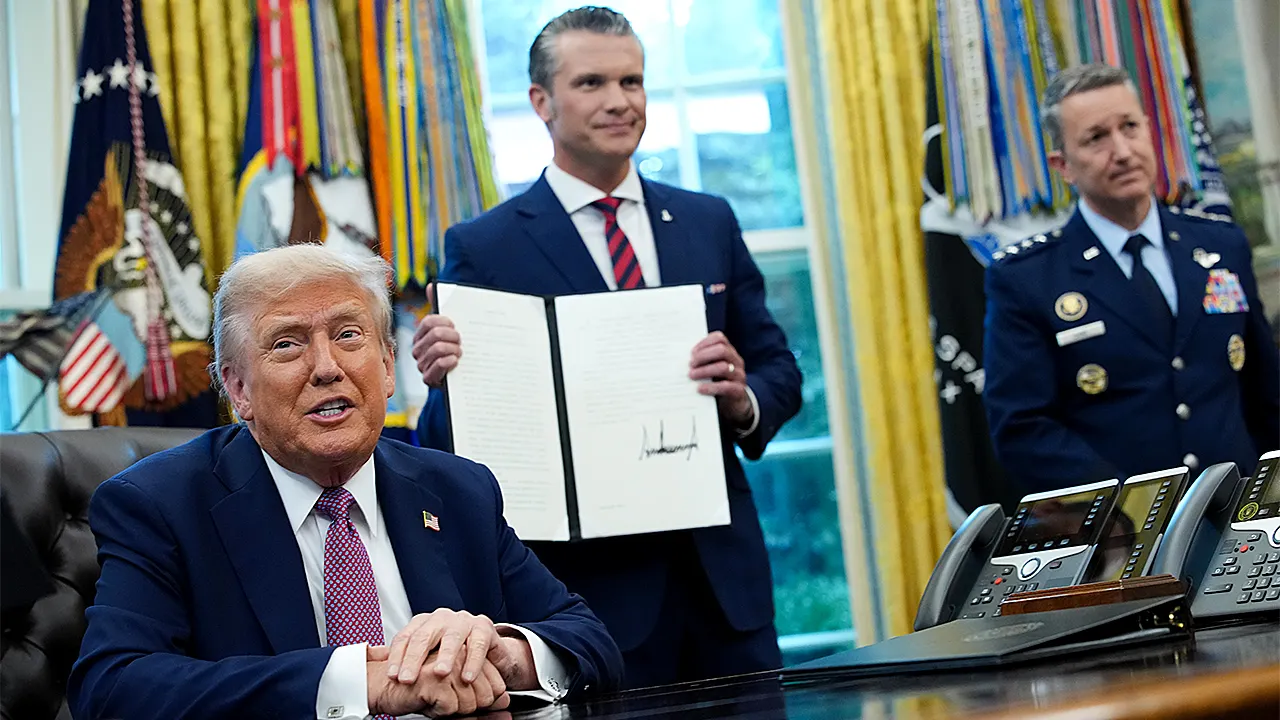
Let’s talk specifics because the breakdown of that $52 million makes it feel a tad more real. A whopping $44.6 million goes toward the Defense Agencies and the department’s field activities—basically all the nitty-gritty logistics on the ground. Then there’s $3.5 million earmarked for the military departments themselves, like updating manuals and who-knows-what paperwork in places like the Army or Navy. Pete Hegseth, the new Secretary of War (yeah, he’s already rocking that title on his office door), gets a slice with $3 million for his office and related Washington Headquarters Services to handle the HQ changes. Don’t forget $400,000 split among the Joint Staff, Combatant Commands, and even the National Guard Bureau to align everything from strategies to training. It’s mind-boggling how bureaucratic even a name change can get, but it shows how embedded this department is in every corner of defense operations.
At the heart of it all, the Pentagon’s proposal frames this rename as more than just a flashy update—it’s a “fundamental reminder of the importance and reverence of our core mission, to fight and win wars.” They see it as a guiding star for prioritizing everything from daily tasks to long-term strategies. To make it stick legally, Congress would have to greenlight around 7,600 changes to federal law, which is no small feat. You’ve probably already spotted the Pentagon’s website and social media glowing with the new branding, and Hegseth’s nameplate is there for the world to see during office tours. It’s like a slow-motion rollout, but the message is clear: this isn’t just semantics; it’s about signaling strength and focus in an era where war terminology packs a punch. Critics say it risks war-mongering vibes, while supporters argue it clarifies what the department does best. Walking that line between symbolism and substance is tricky.
Of course, not everyone’s on board, and the reactions have been as heated as a family Thanksgiving. Trump’s fellow Republicans, like Rep. Greg Steube and Sen. Mike Lee, have jumped in with bills to back the change, seeing it as a nod to tradition and strength. But on the Democrat side, folks like Rep. Pramila Jayapal are ripping it apart, posting on X about how outrageous it is to waste millions when Americans are pinching pennies for basics like groceries and rent. She slammed it as pure excess, especially with the Pentagon already dipping into funds for this. Even anti-war voices, including former rep. Justin Amash,都有 called it out as highlighting the administration’s eagerness for conflict, arguing the name suits a rogue approach to war. It’s sparked a bipartisan clash as Congress dabbles in the fiscal 2027 defense policy bill, turning a straightforward ask into a political minefield. You can’t help but wonder if Trump’s executive move last fall was meant to ignite this very debate.
Zooming out, this isn’t random—it’s a callback to history that pre-dates many of us. The Department of War kicked off way back in 1789 under President George Washington, serving as the backbone of military affairs during those formative years. Fast-forward to 1947, and it morphed into the National Military Establishment amid post-WWII shifts, only to become the Department of Defense in 1949 under President Truman. Now, by looping back, Trump’s team is tapping into that original spirit in a nod to what they view as a more honest reflection of the job at hand. For some, it’s patriotic; for others, it’s provocative. Either way, it humanizes the bureaucracy’s role in defending the nation, reminding us that behind the acronyms and budgets are real stakes in a complex world. As the process drags on, it’ll be fascinating to see if Congress bites or if this stays a bold, if costly, statement.