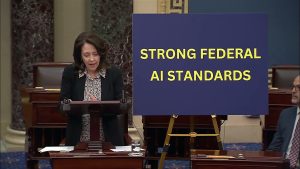





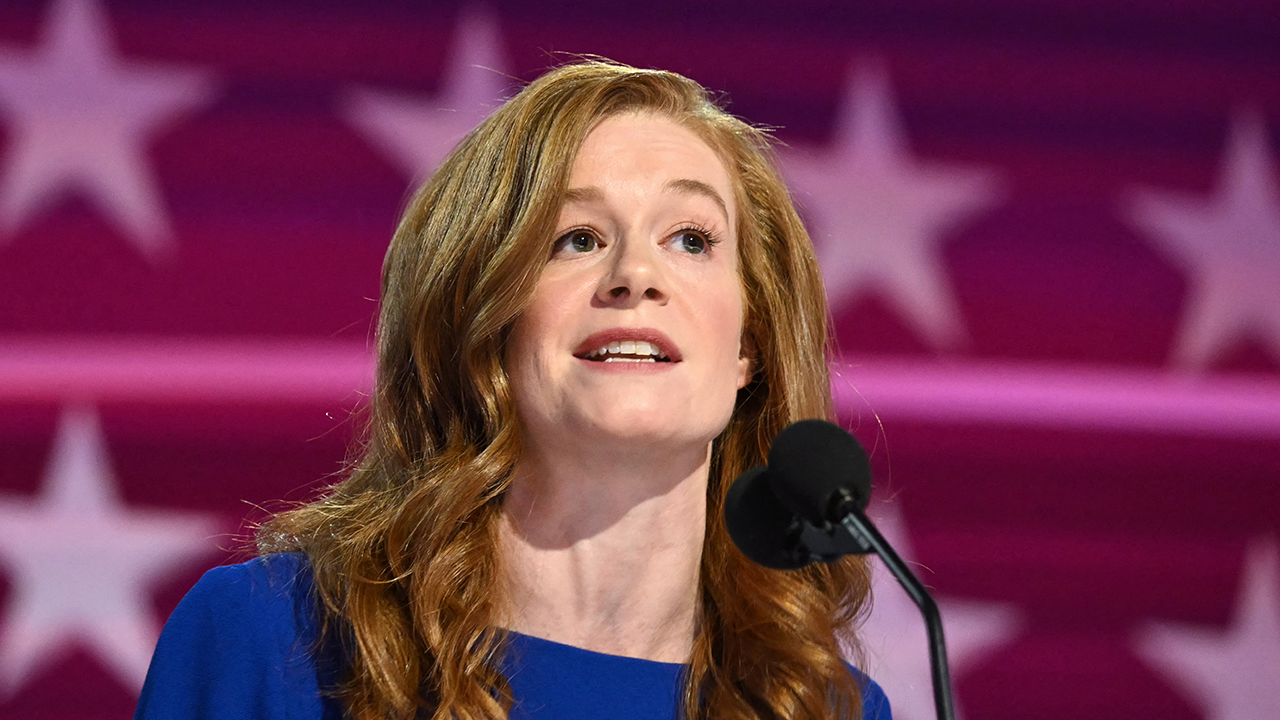
Michigan State Senator Mallory McMorrow has officially suspended her campaign for the U.S. Senate, reshaping the battleground state’s upcoming Democratic primary into a high-stakes, head-on collision. Though McMorrow’s name will remain on the August 4th ballot because absentee voting is already underway, her departure narrows the race to a fierce, twoway contest. She bowed out gracefully through a social media video, choosing not to dwell on specific failures but instead thanking her grassroots supporters for powering a campaign free of corporate PAC money. Behind the scenes, analysts point to her faltering poll numbers and a fundraising pace that simply could not keep up with her two formidable rivals, leaving her progressive-leaning campaign squeezed out of the spotlight.
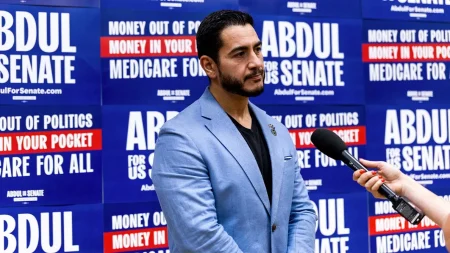
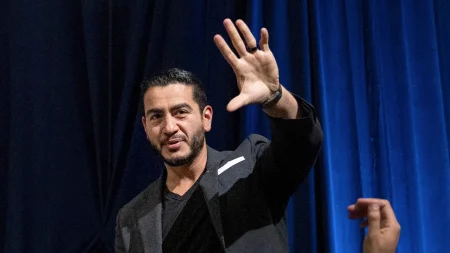
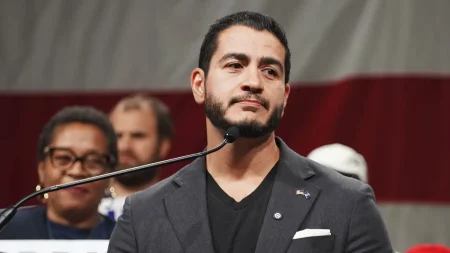
With McMorrow out, the primary pivots to a classic ideological battle for the soul of the Democratic Party, pitting moderate Representative Haley Stevens against progressive favorite Dr. Abdul El-Sayed. Stevens, the establishment favorite, boasts the powerful backing of Senate Democratic Leader Chuck Schumer and is fueled by significant super PAC funding, including substantial support from Israel-aligned groups. On the other side stands El-Sayed, a left-wing epidemiologist and former Wayne County Health Department Director who has secured major endorsements from progressive icons Senator Bernie Sanders and Representative Alexandria Ocasio-Cortez. This stark division highlights a growing national rift within the party, as voters are forced to choose between a pragmatic, centrist approach and an unapologetic, democratic-socialist vision.
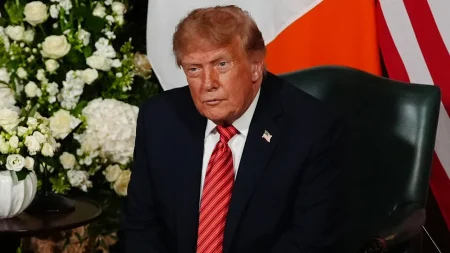
The stakes in this race could not be higher, as the ultimate Democratic nominee will face Republican Mike Rogers in November to succeed retiring Democratic Senator Gary Peters. The National Republican Senatorial Committee has already seized on the drama, mockingly labeling the primary a “messy” civil war and claiming that the radical socialist flank is taking over the Democratic Party. Republicans view this seat as a prime pickup opportunity to secure their Senate majority, especially since Rogers is on a smooth path to the GOP nomination after a razor-thin loss in a previous cycle. With nonpartisan handicappers rating the general election a complete toss-up in a state Donald Trump narrowly carried, national Democrats are deeply anxious about securing their most electable candidate.
Following the announcement, both remaining candidates reacted quickly, attempting to appeal to McMorrow’s supporters while drawing sharp contrasts with one another. Haley Stevens lauded McMorrow as an important voice for Michigan families before immediately pivoting to her own electability arguments, positioning herself as the strongest candidate to protect manufacturing jobs, lower costs, and defeat Rogers in the fall. Meanwhile, Abdul El-Sayed took a more aggressive tone, praising McMorrow’s courage for challenging what he called a “rigged political system” dominated by party insiders and corporate cash. El-Sayed openly invited McMorrow’s base to join his anti-establishment movement, framing the primary as a choice between grassroots people power and the wealthy donor class.
El-Sayed’s campaign is fueled by bold progressive proposals like “Medicare-for-All” and abolishing ICE, but his candidacy has also drawn intense scrutiny and controversy. As a vocal critic of Israel’s military actions in Gaza, which he has characterized as genocide, and the target of criticism for past controversial comments, he represents a major gamble for the Democratic establishment. Party leadership, spearheaded by Schumer, fears that his polarizing foreign policy views and far-left platform could alienate moderate swing voters in November. If elected, El-Sayed would make history as the nation’s first Muslim senator, but party insiders worry his nomination would hand a crucial swing-state seat directly to the Republicans.
Despite the fierce competition and deep ideological divides, McMorrow has committed to putting party unity above personal ambition as the general election approaches. She made a firm pledge to fully support whichever Democrat emerges victorious from the August primary, reminding voters of the ultimate goal: keeping the seat blue and defeating Rogers. “Every day through November 3rd, we win this Senate seat,” she urged her supporters, hoping to channel the energy of her campaign into a unified Democratic front. Whether that unity can survive a bruising, multimillion-dollar primary battle between Stevens and El-Sayed remains to be seen, as Michigan prepares for a political showdown that will reverberate nationwide.