

Paragraph 1: The Scene at ColGay Pride’s Halloween Gathering
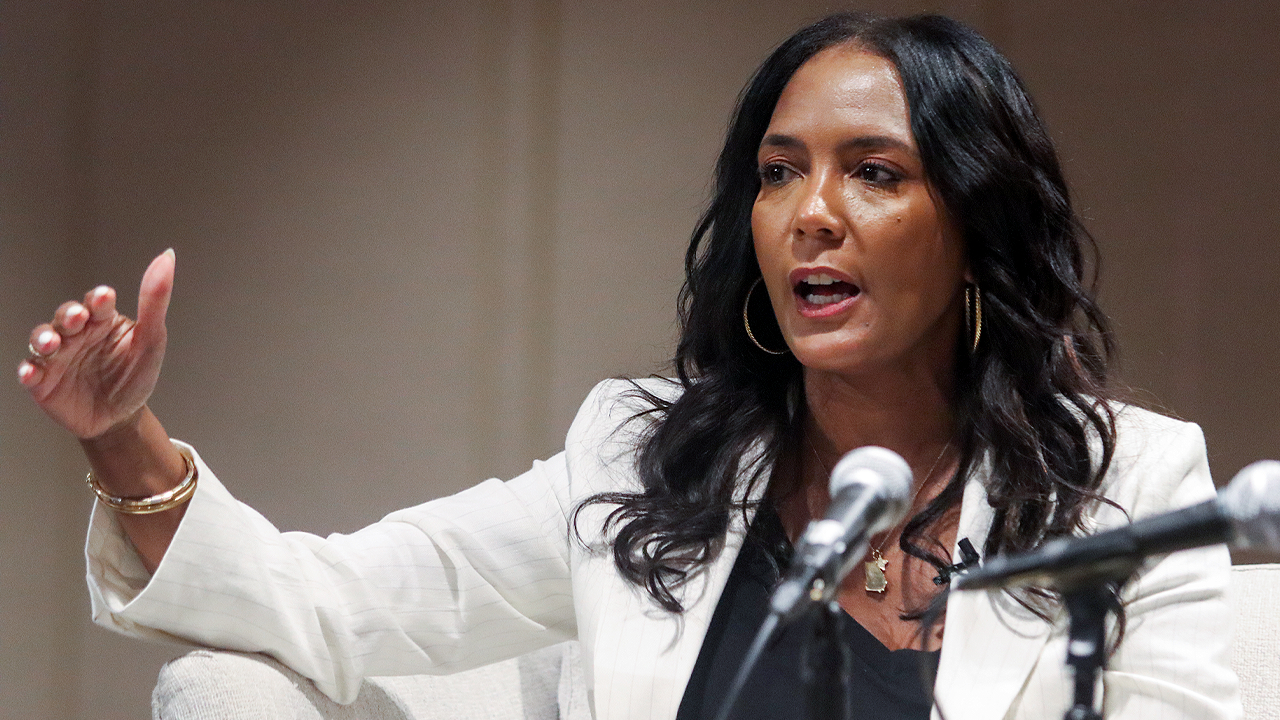
Cool October breezes drift through the streets of Columbus, Georgia, carrying the scent of pumpkin spice and burnt apple pie into the crisp autumn air. While standard suburban neighborhoods string up skeletons and inflatable ghosts, a transformation occurs at the headquarters of ColGay Pride—a local LGBTQ+ advocacy group that has become a quiet powerhouse of community outreach. On this particular evening, the park is a patchwork of color and motion: children dressed as superheroes, tiny witches, and plush dinosaurs race along a winding, candle-lit path, their plastic buckets jingling with every triumphant step. Straw bales painted with glowing eyes peek outs from behind oak trees, grinning jack-o’-lanterns illuminate the corners, and volunteer parents in flannel shirts hand out candy with weary yet joyful smiles. For the first hours, from 5 to 8 PM, the event is a family affair, crafted to let young “little monsters” roam freely through fright-free zones. But as twilight deepens, a smooth transition occurs; a separate, gated section opens for adults, where the headliners prepare for the evening’s “Halloween World” experience: cabaret-style drag performances set to pulsing music, designed strictly for those over 21. Yet what elevates this night from a simple local gathering to a potent political symbol is the name printed on the sponsor banner—Keisha Lance Bottoms, the former mayor of Atlanta and the Democratic nominee for Georgia’s governorship. She doesn’t swoop in as a distant celebrity; she walks the pathway in a dark trench coat, kneeling to straighten a fallen tiara on a girl’s head, offering a high-five to a boy holding a plastic sword. Her presence is a physical manifestation of her belief that government should stand with communities in their moments of joy, not just their moments of crisis. For parents watching, her involvement isn’t merely a checkbox for a politician; it is a warm acknowledgment that their families matter, and that a child’s delight on Halloween is worthy of official protection.
Paragraph 2: Bottoms’ History of Inclusion and the Drag Story Hour Legacy
Bottoms’ advocacy for the LGBTQ+ community isn’t a recent campaign tactic—it’s a thread woven deeply into the fabric of her political career. In 2019, while serving as Atlanta’s mayor, a local library system rejected Terra Cotta Sugarbaker, a beloved drag queen, from hosting a story time event after parents complained. Bottoms responded not with disregard but with an enthusiastic invitation, personally opening the doors of City Hall for the performance. “Ms. Terra Cotta Sugarbaker and all our LGBTQ friends are always welcome at Atlanta City Hall. How about we host your next story hour? Let’s make it happen!” she wrote in a post that resonated far beyond the state’s borders. For Bottoms, this wasn’t about exposing children to adult themes; it was about expanding their imagination through diverse storytelling and normalizing kindness. She believed a child hearing a story read by a person who happens to be different—whether in appearance, lifestyle, or background—learns empathy that no textbook can teach. Now, on the campaign trail, she carries this same principled standard onto the contentious field of youth sports. When questioned about her stance on the Riley Gaines Act—legislation designed to ban biological males from competing in female athletics—Bottoms does not dodge. She explains that she believes the decision belongs to athletic associations, not state legislators. “I don’t support the government making decisions about who should compete,” she stated firmly during a debate, arguing that local sports governance should respect athlete autonomy without political interference. Her reasoning is not abstract theoretical talk; it’s rooted in her experience as a mother raising children in a culturally diverse metropolis like Atlanta. She speaks of seeing young people grapple with identity, and how creating a safe space for them to be themselves—whether on the track, the soccer field, or simply at a community event—is a form of protection. Bottoms frames her support as a defense of individual dignity, a refusal to let fear dictate public policy, and a commitment to ensuring that every Georgian, regardless of identity, can find a place to belong.
Paragraph 3: The Republican Counter-Narrative From Rick Jackson
But where Bottoms sees compassion, her Republican opponent, Rick Jackson, sees a dangerous erosion of values. Jackson, a successful businessman with a deep-seated focus on traditional family structures, seizes upon the Halloween event as a prime example of societal decline. His campaign social media posts are sharp-edged and incendiary: “Keisha Bottoms and the other Democrats said they’d have vetoed the Riley Gaines Act. They won’t protect girls’ sports, but they will open the floodgates for woke ideology in our schools. We’re going to make sure they don’t get the chance.” To Jackson, the presence of an “adults-only” drag show—even if strictly separated by time and gate—pollutes the innocence of the evening. He envisions a slippery slope where children’s spaces gradually become venues for gender expression that confuse and indoctrinate. He often speaks about his own daughters, expressing fear that they will be forced to compete against biological males in athletic competitions, winning states championships at the expense of fairness. In his town halls, he meets with concerned parents who share horror stories of school libraries including titles they deem inappropriate, and he positions himself as their champion against an overreaching government. Jackson’s rallies are houses of moral clarity, with slogans that promise a return to a simpler era where children are children and the complexities of sexual politics remain behind closed doors. For him, Bottoms’ sponsorship of ColGay Pride is a deliberate provocation—a calculated gesture to appease a woke donor base. While he acknowledges that the event’s children’s section was separate, he condemns the principle that a major political leader would publicly endorse an organization associated with non-traditional performances. His fight is framed as a protective shield around youth, and he asks voters to choose between preserving the traditional family unit or embracing a progressive agenda that he argues over-exposes children to adult concepts.
Paragraph 4: Navigating a Financial Scandal and Learning Humanness
No political campaign is free from its own skeletons, and Bottoms has her own hidden closet. In 2021, she faced a substantial public setback when the state’s Campaign Finance Commission fined her $37,000. The cause: accepting over $60,000 in contributions that exceeded legal limits and receiving $110,000 that went past debt cap restrictions. The fine made headlines, giving her detractors a convenient weapon to question her integrity. Critics argued that a candidate advocating for transparency and ethical governance should not be playing fast-and-loose with campaign finances. But Bottoms met the accusation head-on, releasing a statement acknowledging the technical mishandlings, attributing them to the chaotic speed of fundraising during a turbulent election cycle, rather than malicious intent. She paid the fine, implemented new internal controls, and pivoted her focus to the substantive issues facing Georgians—affordable housing, improved infrastructure, and equitable education. This admission of a mistake, stripped of excuses, brought a genuine human quality often missing in polished political personas. For the community that rallies around ColGay Pride, the fine is a minor clerical footnote against the backdrop of her unwavering support for their rights. They remember her presence during the AIDS crisis, her advocacy for homeless LGBTQ+ youth, and her consistent attendance at their fundraisers. Bottoms never lets a financial mistake define her; instead, she chooses to show up, roll up her sleeves, and continue serving. That resilience—accepting failure, learning, and moving forward—resonates deeply with ordinary people who have made payroll errors, missed deadlines, or struggled with their taxes. It makes her more approachable, a flawed but determined human being trying to do her best for the state.
Paragraph 5: The Broader Political Landscape and Gender-Split America
Zooming out, the clash between Bottoms and Jackson encapsulates Georgia’s role as a microcosm of the divided United States. Metro centers, particularly Atlanta, have matured economically and culturally through diversity, embracing progressive values as a driver of innovation. Rural and suburban counties, however, cling to traditionalism as a source of stability. The drag show becomes a cultural battleground—a symbol of how Americans perceive childhood, gender, and personal freedom. Polls show the governor’s race tightening, with suburban mothers and independent professionals in counties like Cobb and Gwinnett becoming the pivotal voting bloc. These moderate voters aren’t seeking radical upheaval; they want a society that balances freedom with safety. Bottoms taps into this by emphasizing that supporting an event doesn’t mean forcing indoctrination; it means ensuring that communities can gather in celebration, and that children from diverse families can feel included. She highlights “common-sense” policies: funding public schools, expanding rural access to broadband, and protecting state parks. Her campaign subtly argues that allowing a particular community to hold a party is an expression of liberty—the same liberty that allows churches to hold their own gatherings. However, Jackson counters with a resonant narrative of protecting the vulnerable, specifically girls in sports, from a critique he frames as fundamentally unfair. The election hinges on whether voters fear the future or embrace it. Bottoms’ strategy involves portraying herself as a bridge-builder who can unite these divergent groups, replete with the understanding that America’s complexity cannot be reduced to a simple slogan, but rather requires nuanced, empathetic governance.
Paragraph 6: The Human Night and the Undefined Future
As the final day of the campaign approaches—November 3rd, 2025—the atmosphere at ColGay Pride’s Halloween party lingers in the memories of those who attended. Under the dying glow of the last jack-o’-lanterns, with a remnant of candy wrappers scattered like fallen leaves, Bottoms stood quietly, a testament to the values she champions. She watched families leaving together, children hoisted onto shoulders, and adults in glittering costumes laughing with friends. To her, this was the pinnacle of her mission: creating a society where the unique traditions of every community could coexist with the traditions of others, where a holiday for a specific group did not infringe upon another group’s ability to celebrate. Upon returning to her modest hotel room that night, she might have reflected on the compromises, the false contradictions, and the endless debates. Whether she wins the governor’s mansion will be determined by the daily undecided votes, but regardless of the outcome, her appearance at a small gathering in Columbus has humanized her political story. She proved that she is not a theoretical policy machine but a person who understands that community is built through shared moments of spontaneous joy. In the end, the election is not just about laws and regulations, but about the spirit some people bring to the public square. Bottoms brought warmth, a listening ear, and a dedication to the idea that every citizen deserves a seat at the table—even one decorated with candy corn and ghost-shaped cookies. The children who met her will grow up, perhaps forgetting the events of that night, but they will remember that a leader once found them worthy of her time. And that is a legacy that transcends any electoral loss or victory, echoing perhaps more powerfully than any political rhetoric ever could.