



The 2026 midterm elections delivered a devastating blow to the Republican Party, shattering their House majority and paving the way for a Democratic takeover of Congress. As the dust settled, a political earthquake had left at least 30 House Republican incumbents defeated, their political careers abruptly ending in a wave of voter discontent. The scale of the loss was staggering, representing not just a rejection of individual lawmakers but a broader repudiation of the party’s agenda and leadership. With results in several other races still too close to call, the final tally of Republican casualties was expected to climb even higher in the coming days, painting a picture of a party in turmoil and a nation demanding fundamental change.
The geographic spread of these losses revealed a significant erosion of the GOP’s once-solid electoral base. Republican lawmakers fell across the country, from the deserts of Arizona and the coasts of California to the industrial heartland of the Midwest and the traditionally conservative South. In states like New York, Pennsylvania, and Michigan, voters ousted incumbents in districts that had become fiercely competitive battlegrounds, while in more reliably red areas of North Carolina and Indiana, once-safe Republican seats flipped to the Democrats. The sweeping nature of the defeat suggested that voters were not simply punishing individual missteps but were signaling deep dissatisfaction with the party’s direction and policy priorities, creating a wave that even the most seasoned political operatives had underestimated.
This voter backlash was a direct response to a litany of frustrations, with government dysfunction and economic anxiety topping the list. Americans heading to the polls expressed anger over rising costs, strained international relations, and a general sense that Washington had lost touch with their daily struggles. The political consequences were immediately felt by powerful figures within the party. The staggering loss of National Republican Congressional Committee Chair Richard Hudson, who was tasked with maintaining the GOP’s majority, served as a powerful symbol of the failed strategy and a clear indictment of leadership. His defeat, alongside those of other committee leaders and influential policy chairs like Mike Turner, signaled a complete loss of confidence in the party’s direction and its ability to effectively govern on behalf of the American people.
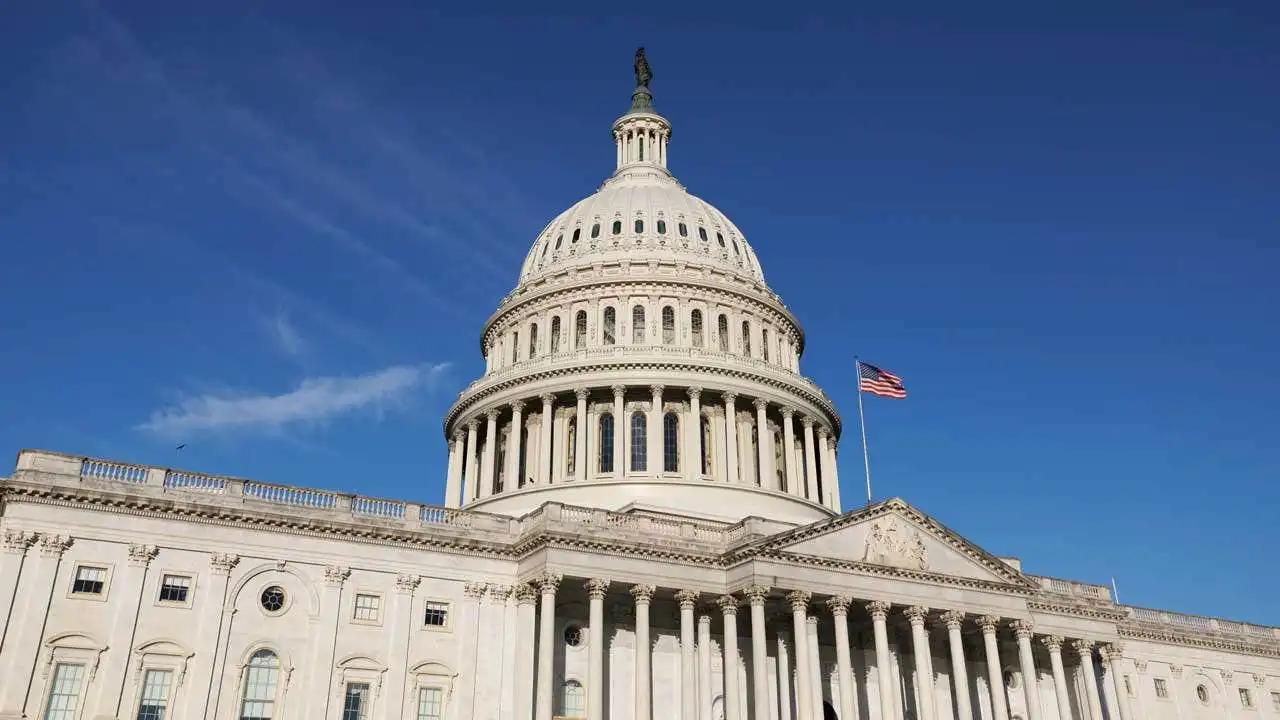
The political landscape has been irrevocably altered by this dramatic shift in power. Pollsters, strategists, and party leaders will spend months dissecting the returns, attempting to understand the complex motivations that drove this historic swing. One thing, however, is unmistakable: the electoral calculus has changed. The Democratic Party now holds the majority in both chambers of Congress, granting them unprecedented opportunities to set the legislative agenda, launch investigations, and exercise oversight over the executive branch. For the Republican Party, this defeat forces a pivotal and painful moment of introspection. Now cast into the minority, they must confront the very real possibility that their current platform is disconnected from the will of the people, forcing a fundamental reckoning about their identity and their path forward.
Embedded within this broader narrative of defeat are individual stories of resilience, frustration, and political upheaval. Some defeated lawmakers were seasoned veterans with decades of service, their reputations no match for the anti-incumbent wave crashing over Washington. Others were first-term members whose brief tenure ended almost before it began, casualties of a political climate poisoned by gridlock and partisan warfare. The defeat of Representative Jeff Van Drew—who had once switched parties, declaring himself a Republican—was a remarkable turn of events, highlighting the deep volatility and shifting loyalties of the American electorate. And in a race that captured the nation’s attention, Representative Jen Kiggans lost to her predecessor, Elaine Luria, a razor-thin margin deciding a contest that became a national referendum on the public’s mood.
The incoming Democratic majority now faces the herculean task of governing with a nation watching intently, demanding results that have long been elusive. They must navigate a country deeply divided, balancing the progressive wing of their party with the more moderate voices who helped them win these crucial districts. The next Congress is set to be a volatile period of high stakes, as the new majority seeks to implement its agenda while the defeated Republican Party begins its long and difficult journey of rebuilding. This midterm election will be remembered not just for its headline-grabbing outcome, but as a definitive turning point, a powerful and visceral signal of a restless electorate that is demanding a new era of politics. The stage is now set for a profound struggle over the very direction and soul of the country, with the people having spoken loudly and unequivocally.