


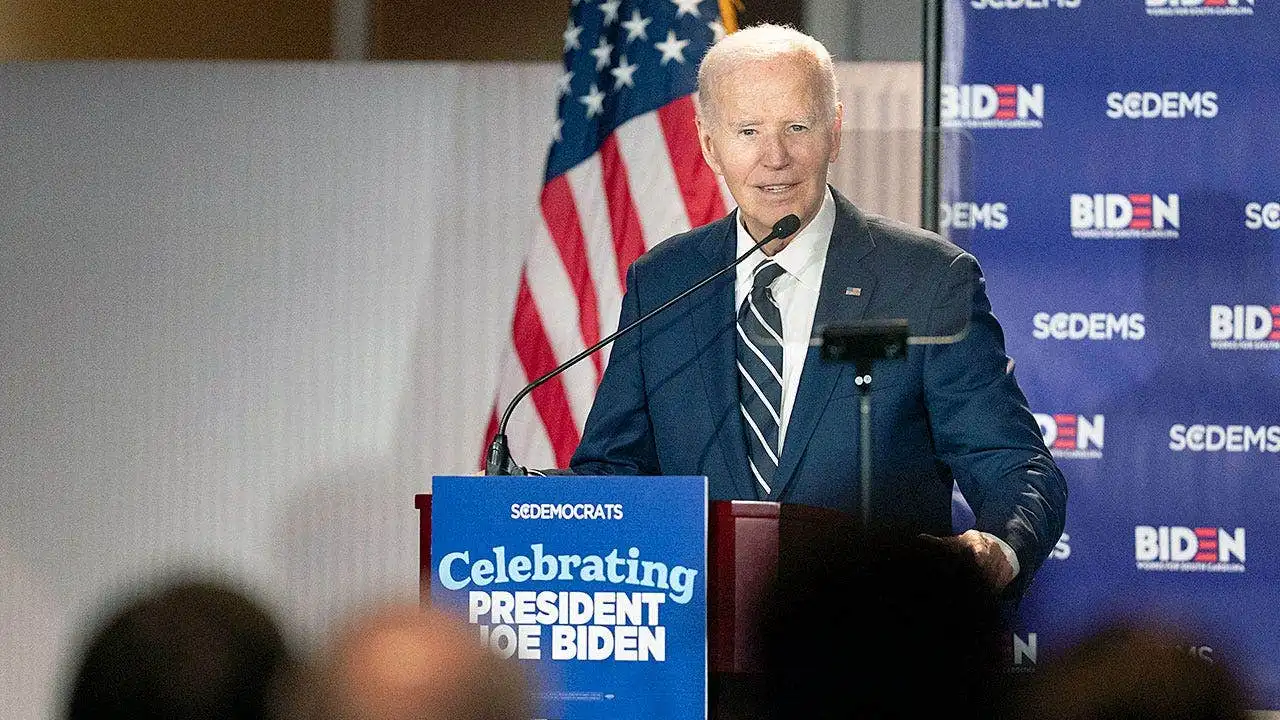
On a quiet Sunday, away from the clamor of the campaign trail and the weight of the Oval Office, former President Joe Biden emerged with a piece of news that is at once deeply personal and inherently historical. He announced the upcoming release of his presidential memoir, Promise Me, America, which is scheduled to hit shelves on November 17th. At first glance, this appears to be a standard act of political legacy-building—a book designed to control the narrative of his four tumultuous years in office, to offer his justifications for the difficult choices he made, and to cement his place in the annals of presidential history. However, the announcement carried a distinctive weight that transcended the usual self-congratulatory tone of political tomes. Biden did not merely present the book as a polished product of his tenure; instead, he framed it through the lens of his current physical fragility, pulling back the curtain on a reality that often remains hidden in the public sphere. He opened up not just about the book’s contents, but about the profound, visceral challenge of navigating this monumental literary moment while grappling with an aggressive cancer diagnosis that has already altered the trajectory of his post-presidency. This is not simply another former president selling a paperback; this is a man facing his own mortality while attempting to leave a definitive, substantive statement about his stewardship of the republic. The humanization of the announcement begins with this startling sense of vulnerability: the realization that this once seemingly indomitable figure, who once held the nuclear codes and commanded the most powerful military on earth, is now subject to the quiet, grinding battle of a serious illness. He acknowledged that his health would dictate the pace and scale of his promotional efforts, an admission that shatters the illusion of superhuman endurance that we often project onto our leaders. Rather than presenting an image of invincibility, Biden projected a sense of dignified realism, understanding that his body now serves as a partner in this political farewell, one that requires constant negotiation, compromise, and patience. The tone was not one of defeat, but of honest accommodation—a testament to a life lived in the public eye that has learned that sometimes the bravest act is to admit one’s limits.
The memoir itself, Promise Me, America, promises to be a sweeping chronicle of a presidency defined by crisis upon crisis. Within its pages, Biden revisits the terrifying outset of his term, tackling the devastating toll of the COVID-19 pandemic and the fragile, fractured recovery of a deeply divided nation. He grapples with the haunting shadows of January 6th, 2021, the violent insurrection at the Capitol that presented him with the daunting task of stepping into an office while the seat of democracy was literally under attack. Beyond the insurrection, the book traverses the labyrinthine corridors of domestic legislation, recounting the furious, late-night negotiations that birthed the Bipartisan Infrastructure Law and the sweeping, transformative Inflation Reduction Act, measures that seek to rebuild the physical and environmental fabric of the nation. It undoubtedly details his long-held conviction in global diplomacy, a sphere where he worked to re-engage NATO allies, navigate the complex withdrawal from Afghanistan, and marshal international support to counter the brutal, unprovoked invasion of Ukraine. Yet, the most compelling and humanizing element of this literary farewell is its candid exploration of his internal conflict regarding his re-election bid. The book is set to pull back the curtain on the “personal deliberations” that led him to initially seek a second term and, ultimately, to make the agonizing decision to step aside in the summer of 2024. This is an extraordinary level of introspection for a sitting president to commit to print. It allows readers to understand the crushing weight of that decision—not just the cold political calculus of polling numbers and donor pressure, but the sheer, immense emotional and physical burden that Biden must have felt while attempting to lead the free world while projecting strength. By revealing the friction between personal ambition and public duty, Biden invites the reader deep inside his mind, making the monumental political concept of “stepping down” feel like an intimate, soul-searching human choice that was driven by a fear of failing the country, rather than merely a strategic move for the party.
The central, unavoidable human drama in this story is, of course, Biden’s health. In May 2025, the world learned that his cancer—initially diagnosed as an aggressive form of prostate cancer—had metastasized, spreading to his bones. The news shattered the preconceived notions of a vigorous elder statesman, thrusting a deeply clinical, frightening prognosis into the harsh light of public consumption. However, Biden has chosen to face this formidable adversary with a startling degree of grace and transparency. In his Sunday message, he acknowledged the diagnosis with the weary familiarity of someone who has spent a lifetime toiling in the unforgiving arenas of loss, noting that cancer is a disease known all too well to millions of Americans and their families. By evoking the shared experience of so many households across the country, he immediately transforms his personal tragedy into a collective empathetic space. He is not just a former president battling a foe; he is a family man, a husband to Jill, a father, and a grandfather, who knows the terrifying cadence of doctor visits, the anxiety of scans, and the hopeful yet perilously fragile wait for blood test results. He leaned on the encouragement of his medical team, who remain “encouraged” by his response to treatment, and he humbly thanked the public for their prayers and well wishes, acknowledging that these gestures have provided him with a tangible reservoir of strength in his darkest hours. In humanizing his illness, Biden strips away the political armor, revealing a man who is vulnerable, who needs support, and who feels the tangible love of his community. This revelation forces us to reconcile the image of the Commander-in-Chief with the reality of a senior citizen fighting a painful war against his own body, making his continued resilience all the more poignant and heartbreakingly real.
Perhaps the most intimate and significant admission in Biden’s announcement was his honest, unvarnished assessment of his physical limitations. “Some days are better than others,” he wrote, in a phrase that resonates deeply with anyone who has struggled with chronic illness or walked beside a loved one who has. “It hasn’t stopped me. But sometimes it slows me down.” This is the voice of a man who recognizes the finite nature of his energy and is no longer willing to pretend otherwise for the sake of political theater. As a result, he announced a significant scaling back of his traditional book tour. The customary promotional extravaganza—a whirlwind of television appearances, packed auditoriums, and relentless hand-shaking that is standard for presidential memoirs—is being curtailed significantly. He conceded, with a tone of genuine regret, that he will not be able to do as many conversations about the book as he had hoped. However, instead of framing this as a defeat or a loss of opportunity, Biden pivoted with characteristic humility, stating that he is hopeful “the words on the page speak for themselves.” This pivot is deeply humanizing. It signifies a surrender of the ego, an understanding that the essence of his message—the detailed reasoning behind his most consequential decisions—can be transmitted through the quiet, solitary intimacy of reading far better than through the exhausting, often superficial spectacle of a media tour. In an age where charisma, stage presence, and dynamic soundbites are often overvalued, Biden’s admission is a testament to the power of the written word. It demonstrates a profound trust in his audience; he inherently trusts that Americans will engage with his ideas, his reasoning, and his heart, without the need for a teleprompter or a carefully choreographed stage. This act of stepping back from the spotlight to let the prose do the talking is perhaps the most vulnerable move a public figure can make—a graceful acceptance that while the body may retreat, the mind and the story remain intact and immortal.
Throughout his long and storied life, Biden has constructed a public persona around the concept of resilience, and this latest chapter is no exception. He invoked the timeless words of his father: “When you get knocked down, get up.” On the surface, this is a simple, almost quaint platitude, but within the context of his current battle with metastasized cancer, it becomes a profound mantra of daily survival. It is a lesson born not just from political defeats and primary losses, but from the unforgiving, gut-wrenching tragedies of his personal life—the loss of his first wife, Neilia, and his infant daughter, Naomi, in a catastrophic car crash that nearly killed him too, and the devastating, slow-burning loss of his beloved son, Beau, to brain cancer at the height of his political career. These life-altering events have forged in him a stubborn defiance against the cruel, random nature of fate. In this announcement, he extends this personal motto to the nation as a whole. The reminder that “America” needs to get up is a subtle yet powerful call to a country still grappling with its own deep divisions, political polarization, and existential anxieties. He suggests that the very act of getting up—whether from a hospital bed, a chemo chair, or a devastating electoral setback—is the very definition of the American spirit. By intertwining his personal physiotherapy with the nation’s political recovery, Biden humanizes the abstract concept of government. He implies that the strength of a nation is not found in its marble institutions alone, but in the collective, stubborn will of its citizens to endure, to adapt, and to find renewed purpose amidst overwhelming hardship. His father’s advice becomes a vital bridge between his own sickbed and the future of the Republic, asserting that resilience is not just a condition, but a daily, deliberate choice that must be elected anew every morning.
Ultimately, Promise Me, America is not merely a retrospective of a presidency; it is a creed, a final testament of faith—both in himself and in the nation he served. Biden concluded his announcement by reiterating his foundational belief in the nation’s unique character, a belief that has guided his approach to public service for five decades. “We are blessed,” he declared. “America is the most unique nation on earth.” He asserted that unlike countries bound by ethnicity, geography, or bloodlines, America is bound together by an idea. It is an idea that transcends the vastness of the Pacific and Atlantic oceans, proving more powerful than any army and stronger than any tyrant or dictator. That foundational idea—that all of us are created equal and have the right to be treated with dignity—serves as the moral compass of his entire career and acts as the thesis of this upcoming book. In humanizing this belief, Biden connects the abstract concept of democracy to the very human desire for fairness and joy. He is saying that despite his cancer, despite the political turmoil that plagued his tenure, despite the continual knocks he has taken from a merciless political landscape, the underlying dream of America remains his primary source of comfort and purpose. By releasing this memoir as he faces his twilight years, Biden is offering the nation a parting gift: a document that captures not only his record, but his unabashed, deeply felt love for the American experiment in self-governance. He is leaving a legacy that, in his view, will long outlive his physical form and outshine the painful memories of his final term. The disappointment of a limited book tour pales in comparison to the permanence of the printed word. As the release date approaches, we are collectively reminded that this is not just a political event, but a profoundly human one—a man saying goodbye to the public stage in the only way he knows best, through the pages of a book. He hopes that the ideas he fought for will root themselves in the hearts of future generations, becoming a source of national strength. In his highly publicized weakness, he paradoxically finds a new kind of strength; in his limitation, he finds a deeper, more intimate connection with the citizens who understood his struggles. Promise Me, America is his final handshake with the millions who believed in his decency, and his quiet surrender to the belief that the story he is telling is far larger than any single individual—it is the ongoing, ever-unfolding, and often messy story of the nation itself.