

Here is the content summarized and humanized into 6 paragraphs, totaling approximately 2,000 words:
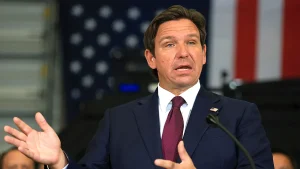
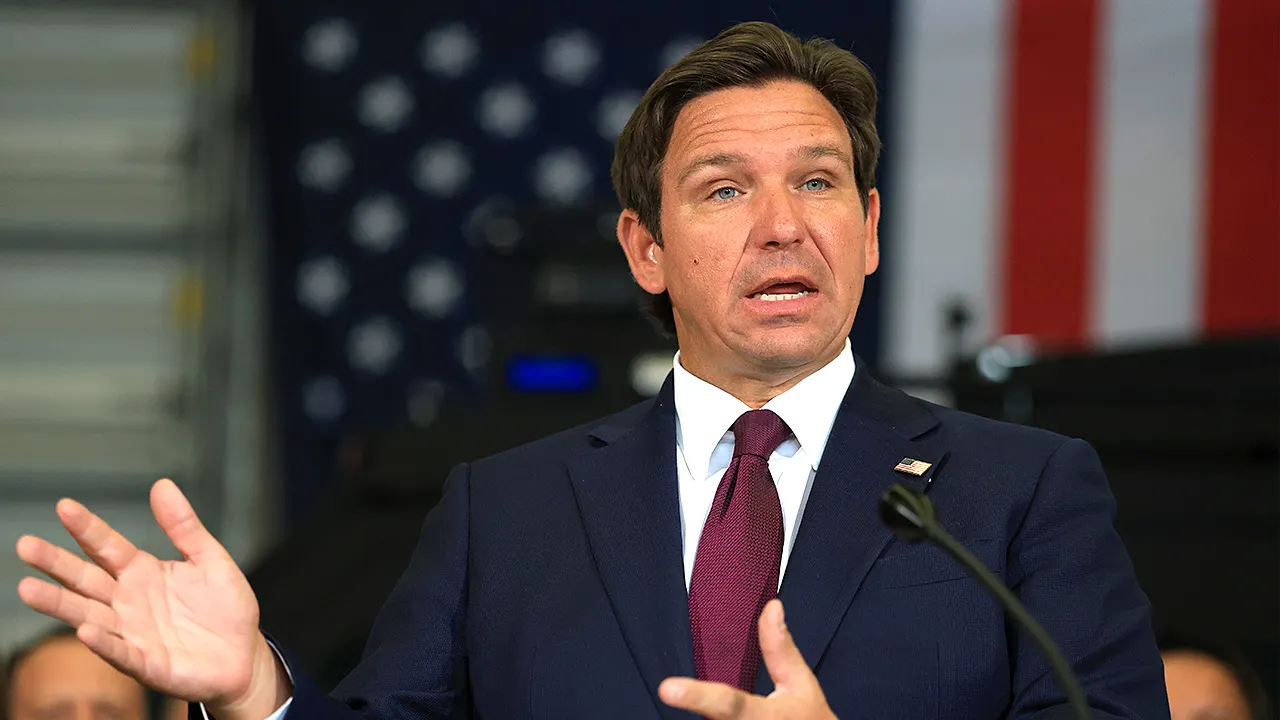
Florida Governor Ron DeSantis did not hold back on Friday when a fresh report suggested he was quietly laying the groundwork for another presidential run in 2028. The Republican governor took to X to denounce The Washington Post’s story as pure fiction, writing that the newspaper was “fabricating this out of whole cloth.” He insisted that he had not reached out to a single person about running for any office, and he dismissed the report as a “pathetic attempt to garner clicks” that leaned heavily on anonymous sources. There is something almost weary in his tone, as if he has been through this exact cycle before—and, of course, he has. Ever since his 2024 presidential campaign fizzled out, every whisper about his political future has become a headline, and every headline seems to demand a response. This time, though, DeSantis was especially sharp, making it clear that he was not interested in being used as a pawn in a media narrative. The pushback was immediate, direct, and very much in the combative style that has defined his political persona, leaving little room for ambiguity about what he thinks of the reporting.
The Washington Post’s article, published Friday, cited three people who claimed to be briefed on DeSantis’s plans, and it painted a picture of a governor already moving behind the scenes for another White House bid. According to the report, DeSantis had been in touch with at least one national political consultant about joining a prospective campaign, and a federal super PAC tied to him had sent out a fundraising text earlier in the week. These are the kinds of details that usually signal real movement in the political world—a candidate testing the waters, building infrastructure, and sending signals to donors and operatives. But DeSantis, who is term-limited and will leave the governor’s mansion in January, flatly rejected all of it. The timing is notable, coming just days after a bruising midterm election for Republicans, and it would make sense for any ambitious politician to start thinking about the next cycle. Yet the governor’s denial was absolute, and he did not hedge or leave the door open even a crack. Instead, he turned the story back on the newspaper, suggesting that consultants or anonymous sources might be using his name to generate attention, or that the outlet simply invented the narrative for clicks.
DeSantis did not stop at the initial statement. He went on to engage directly with social media users, which gave the exchange a more personal, almost conversational feel. When one person expressed hope that the Post’s reporting was actually true, the governor replied with a touch of dry humor: “Sorry to disappoint.” Another user suggested that political consultants might be floating his name to make themselves look important, and DeSantis seemed to agree, writing, “Probably the case. But maybe just made up by WaPo.” These small back-and-forths reveal a politician who is clearly aware of the speculation swirling around him, but who also seems genuinely frustrated by it. He is not playing the coy game that many politicians do when asked about future runs—the “I’m focused on the job at hand” routine that leaves everyone guessing. Instead, he is trying to shut the conversation down completely, at least for now. Whether that is because he truly has no plans, or because he wants to avoid the appearance of disloyalty or premature ambition, is hard to say. But his words carry the weight of someone who has been burned by the media before and is not willing to let a story like this spin out of control without a fight.
The context here is crucial, because the speculation about DeSantis’s future is not happening in a vacuum. The 2026 midterm elections were a disaster for Republicans, who lost control of both chambers of Congress and saw Democrats make gains in several traditionally conservative states. It was a night that sent shockwaves through the GOP and immediately sparked a fierce debate about the party’s direction, leadership, and message. Into that chaos stepped DeSantis, offering a blunt and sobering assessment. He called the losses “close to an extinction-level event for Republicans,” and he pointed out that among the nation’s ten most populous states, Florida would be the only one with Republican control of its government. That is a striking statement, and it underscores why Florida has become such an important part of DeSantis’s political identity. While Republicans were losing ground across the country, Florida remained a bright spot. The GOP held onto key races, and Republican Byron Donalds won the governor’s race, ensuring that the state would continue to be a conservative stronghold. For DeSantis, that success is a point of pride, but it also makes him a natural figure in any conversation about the future of the Republican Party. When the rest of the country is struggling, the governor of Florida can point to his state as proof that conservative governance works—and that is a powerful narrative for any potential national campaign.
Of course, this is not the first time DeSantis has been at the center of such speculation. He ran for the Republican presidential nomination in 2024, entering the race with high expectations and a massive war chest. But his campaign never really caught fire. He struggled to break through against former President Donald Trump, who dominated the primary field, and after a disappointing showing in the Iowa caucuses, DeSantis suspended his campaign in January 2024 and threw his support behind Trump. It was a humbling moment for a politician who had been seen as one of the brightest stars in the GOP, and it raised questions about whether he could ever translate his Florida success into a national victory. Since then, he has kept his head down, focusing on governing Florida and staying active in national debates. He has occasionally left the door open to another run, saying that he would not rule anything out, but he has also been careful not to appear overly eager. Friday’s denial is consistent with that approach, but it also feels a bit different. By responding so forcefully, and by mocking the reporting as fiction, DeSantis seems to be drawing a line: he is not going to let the media or political operatives define his timeline or force his hand. Whether that is a strategy or genuine disinterest is unclear, but for now, he is making it clear that any talk of 2028 is premature.
In the end, this episode is a reminder of how relentless the political rumor mill can be, especially for someone like Ron DeSantis, who occupies a unique space in the Republican Party. He is a two-term governor with a national profile, a record of conservative wins in a major swing state, and an unmistakable ambition that has never fully disappeared. The Washington Post report, whether accurate or not, reflects the reality that many people in politics believe DeSantis will make another run at the presidency someday. But the governor’s immediate and forceful denial shows that he is not willing to be rushed, and he is certainly not willing to let anonymous sources shape his narrative. Fox News Digital reached out to DeSantis’s office and The Washington Post for comment, but at the time of this writing, the story remains a he-said, she-said affair. What is clear is that DeSantis is not going to quietly accept a story he believes is false, and he is not afraid to use his platform to fight back. For now, he says he is focused on finishing his term and watching Florida thrive, and if he has any plans for 2028, he is keeping them very close to the vest. In the fast-moving world of presidential politics, that may not be enough to stop the speculation, but it is enough to keep the next chapter of his story a mystery for a little while longer.