


The $20 Million Question: America’s New Gamble on Iran’s Nuclear Secrets
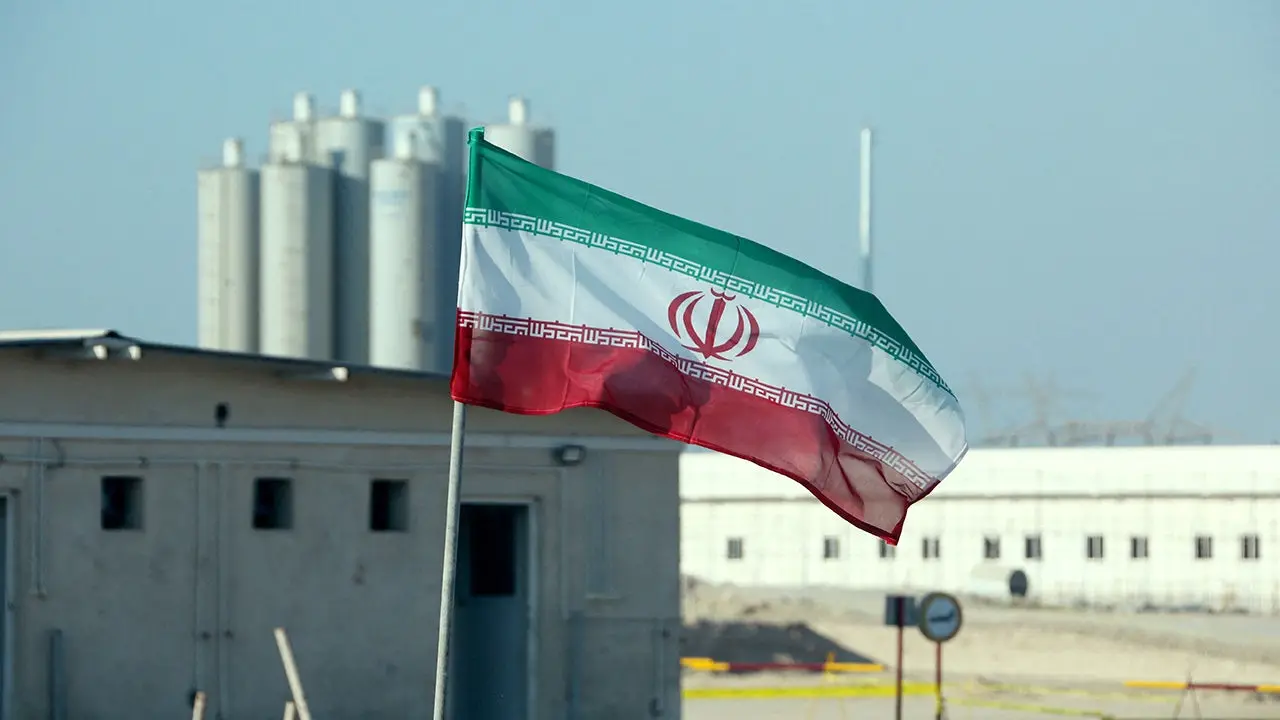
In a high-stakes move that underscores the escalating tensions between Washington and Tehran, the United States has announced a staggering reward of up to $20 million for anyone who can provide crucial information about Iran’s nuclear program. This isn’t just a routine intelligence-gathering operation; it’s a public, global call to action. The U.S. Department of State’s Rewards for Justice program took to social media to broadcast the offer, explicitly inviting anyone with knowledge of Iran’s nuclear scientists, staff, technologies, capabilities, or the organizations and individuals connected to this secretive world to come forward. The message was clear and direct: if you have information, the United States wants to hear from you, and they are willing to pay handsomely for it, even going so far as to offer relocation for those who fear reprisal. The announcement was more than just a plea for tips; it was a declaration of intent, reaffirming that America’s commitment to preventing Iran from developing a nuclear weapon remains as steadfast as ever.
The sheer size of the reward—$20 million—signals a level of urgency and desperation that goes beyond the usual espionage tradecraft. It transforms the search for intelligence from a quiet, behind-the-scenes effort into a very public spectacle, inviting the world to participate in dismantling Iran’s most guarded project. By leveraging the promise of a life-changing sum of money and the guarantee of safety, the U.S. is hoping to incentivize insiders, scientists, technicians, or even disgruntled bureaucrats who might have access to the kind of sensitive details that satellites and spies simply cannot capture. The use of modern, encrypted communication channels like Signal and a dedicated Tor-based tip line shows a sophisticated understanding of how to reach potential informants in a world where digital surveillance is rampant. This is a deliberate, calculated effort to create a brain drain from Iran’s nuclear program by appealing directly to the individuals who power it, offering them an exit ramp and a new life in exchange for the secrets they hold. It is a psychological operation as much as it is an intelligence one, designed to sow seeds of distrust and paranoia within the Iranian scientific community.
This dramatic gesture does not occur in a vacuum. It is the latest chapter in a tense and volatile standoff that has been building for months, particularly since President Donald Trump’s return to the political forefront. The announcement comes at a time when the president has openly considered renewing military strikes against Iran, while simultaneously, American and Iranian negotiators are attempting to find a diplomatic solution to the country’s nuclear ambitions. This dual-track approach—offering a massive carrot while brandishing a very big stick—is a hallmark of the current administration’s foreign policy. On one hand, the U.S. is trying to persuade Tehran back to the negotiating table with the promise of a deal; on the other, it is mounting a public campaign to dismantle the program from within, while keeping military options firmly on the table. The reward itself is a coercive tool, a way to apply pressure that doesn’t involve dropping bombs but could be just as effective in the long run by crippling Iran’s ability to maintain the secrecy and expertise needed to advance its nuclear ambitions.
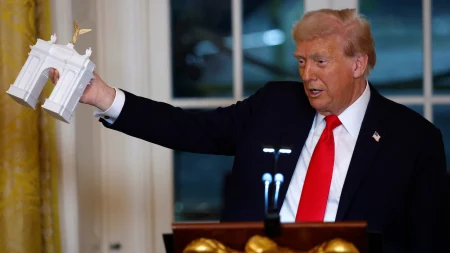
President Trump has been characteristically unequivocal about his stance on Iran’s nuclear capabilities, stating emphatically that Tehran will never be permitted to obtain a nuclear weapon. He has repeatedly pointed to past U.S. military operations that targeted Iranian nuclear facilities as evidence of his resolve, and he reiterated this after a meeting with his national security team where the discussion centered on the possibility of resuming strikes. The president’s rhetoric is loaded with a sense of impending action; he has framed the decision not as if the U.S. will act, but how far it must go to ensure that Iran’s program is permanently neutralized. His comments to reporters, suggesting that he would rather not have to “destroy the rest of the country” but “may have to,” are a chilling reminder of the scale of destruction that could be unleashed. This violent rhetoric, paired with the nonviolent but equally destructive offer of bounty money, paints a picture of an administration willing to use every tool in its arsenal to achieve its goal, from financial incentives to overwhelming military force.
The timing of these threats and initiatives is particularly telling. Senior U.S. officials have noted that the new moon on November 9th would provide ideal cover for military operations due to reduced moonlight, a classic consideration for night-time tactical maneuvers. Reports indicate that U.S. Central Command is already finalizing preparations for a potential major operation, although it is awaiting a formal directive from the White House. The air of anticipation is palpable, with the administration promising a decision soon. Alongside military posturing, the U.S. State Department has issued stark warnings to its embassies in the Middle East about the risk of “unforeseen escalation,” advising American citizens to remain vigilant. This flurry of activity creates an unnerving atmosphere, where the world is left guessing whether the next major headline will be about a landmark diplomatic breakthrough or a devastating military campaign. The promise of a $20 million bounty adds another layer of uncertainty, potentially prompting rapid, unforeseen developments as individuals weigh the risks and rewards of coming forward with information. The internal pressure on Iran is mounting from all sides, both from external threats and the possibility of internal betrayal.
In conclusion, the U.S. offer of a $20 million reward for information on Iran’s nuclear program is a bold, multi-faceted gambit that perfectly encapsulates the current state of a world on the brink. It is a powerful acknowledgement that traditional espionage may not be enough to fully uncover the secrets of Iran’s atomic ambitions. By going public with this massive bounty, the U.S. is not only trying to gather intelligence but also to destabilize the Iranian program from within, creating an environment of suspicion and fear. This strategy runs in parallel to the very real threat of renewed military action, presenting Iran with a choice between subtle erosion from within or the potential for catastrophic destruction from without. The ultimate outcome of this volatile mix of incentives and threats remains to be seen, but one thing is certain: the world is watching with bated breath. The offer stands as a testament to the extreme lengths the United States is willing to go to in order to ensure Tehran never crosses the nuclear threshold. It is a high-risk, high-reward gamble that could either lead to the program’s downfall through a leak of information or escalate the conflict into a full-blown military confrontation. Regardless of what happens next, the message has been sent to every scientist, technician, and official involved in Iran’s nuclear project: you are being watched, and your secrets may now be worth more than your silence. The entire world now holds its breath, waiting to see who might answer the call.