



Travel has a funny way of becoming a victim of its own success. The more we dream about that perfect getaway, the more we all seem to show up at the exact same places at the exact same time, shoulder to shoulder with thousands of other people who bought the same plane ticket, booked the same hotel, and had the same idea about standing in front of the same famous landmark. It’s a strange paradox: we travel to escape crowds, only to find ourselves queuing for hours in the relentless sun, paying inflated prices for mediocre meals, and feeling less like an explorer and more like a number being shuffled through a turnstile. That’s why the idea of traveling off-season has never felt more appealing. It isn’t just about avoiding the maddening crowds, though that certainly helps. It’s about experiencing a place when it’s actually living its own life, not performing for visitors. The streets feel more real, the locals have more time to talk, the pace slows down, and the magic of a destination has room to breathe. There’s also a deeper, more meaningful benefit: when tourism is spread more evenly across the year, people who work in hotels, restaurants, guide services, and transportation aren’t forced to cram their entire annual income into three frantic summer months. They can earn a decent living throughout the year, which makes tourism a healthier and more sustainable industry for everyone. Lonely Planet clearly understands all of this, which is why it has just released a brand-new book called Offseason, a wonderfully practical guide that explores 103 popular destinations and suggests the very best month to visit each one outside the busy periods. The book is out now, and its timing feels perfect. Whether you’re planning a last-minute escape, dreaming about spring, or already mapping out next autumn, the recommendations are full of surprises, proving that the world is better when you travel on your own schedule, not on everyone else’s.
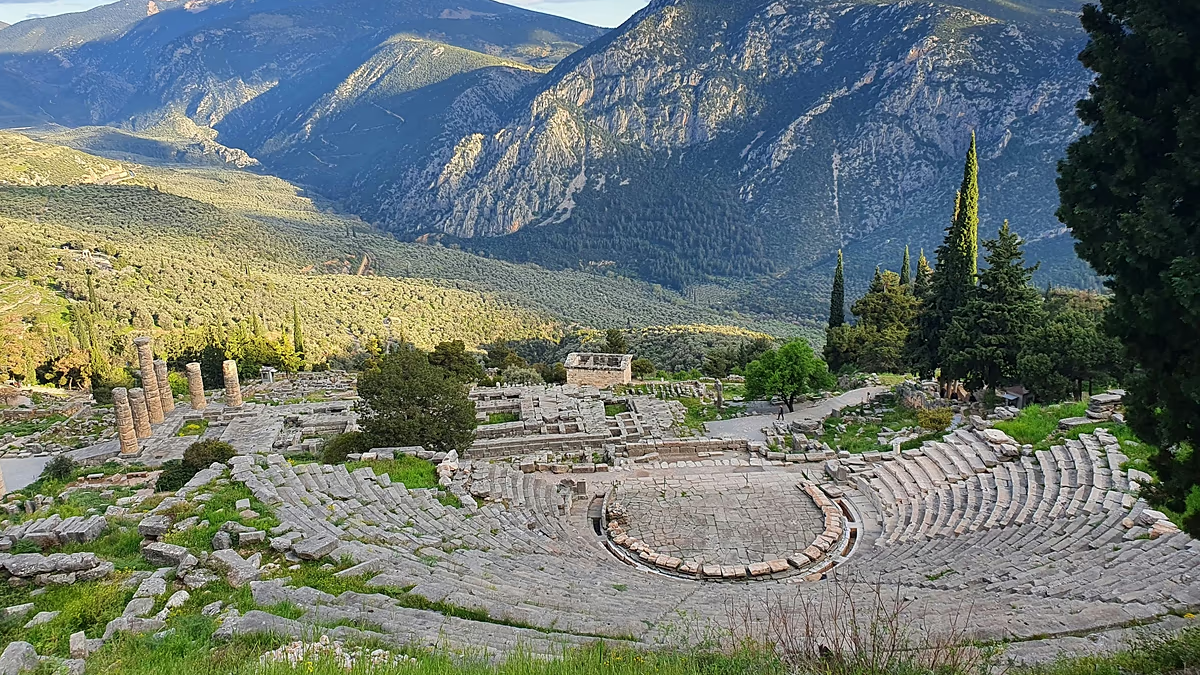
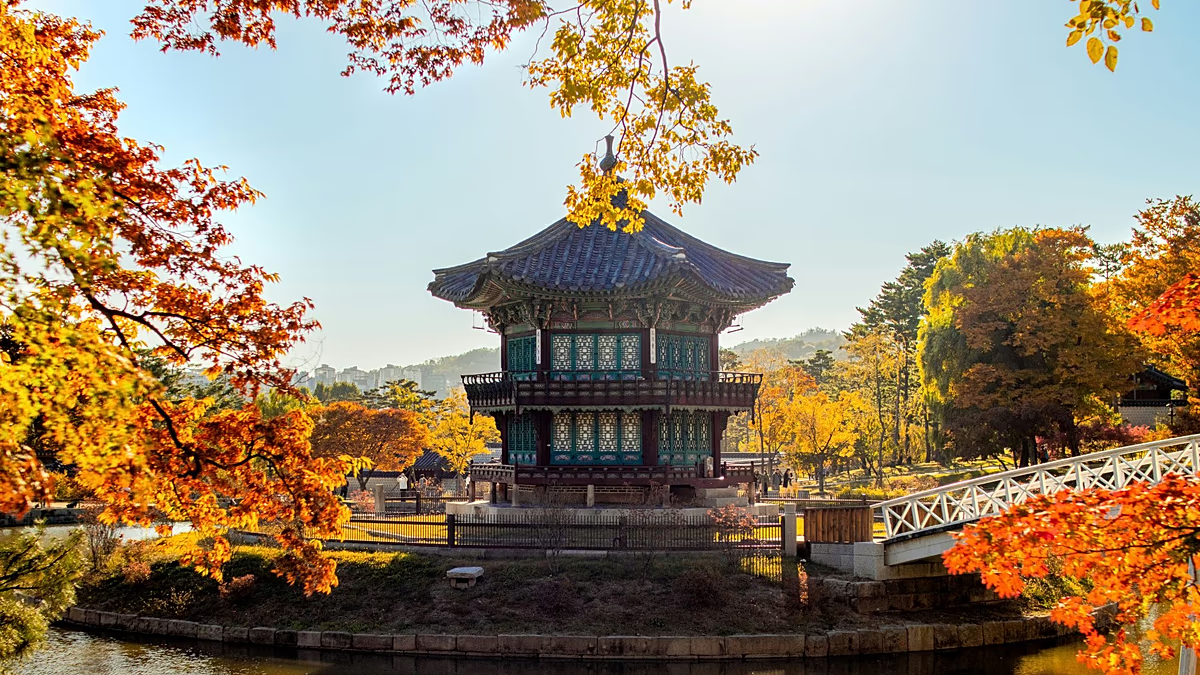
Let’s start with November, a month that often gets overlooked. If you’re looking for a spontaneous trip, Lisbon is apparently a wonderful choice right now. The city famously basks in warm sunshine during the summer, but in November the days are cooler and wetter, which means the beautiful tiled facades, the hilltop views, and the historic trams are all somehow more atmospheric under a soft autumn sky. You’ll find shorter queues at the big attractions, which is a luxury in itself, and the stronger winds along the coast create fantastic conditions for windsurfing in nearby Cascais. There’s something rather romantic about huddling in a pastelaria with a warm pastel de nata while the Atlantic wind whips through the narrow streets. If Asia is more your style, consider South Korea. Japan is famous for its autumn colours, but you’ll find equally dazzling displays of yellow gingko trees and red maple leaves throughout South Korea at this time of year too, often without the international crowds. Imagine wandering through a royal palace garden with the leaves drifting down around you, the air crisp and clean, and the only sound being your own footsteps on the gravel. It’s the kind of peaceful, slow travel moment that feels increasingly rare. Then, when February rolls around and the post-holiday blues start to bite, the western Canary Islands might just be the answer. La Gomera and El Hierro, in particular, offer warm temperatures and gorgeous hiking trails that wind through ancient laurel forests and along dramatic volcanic coastlines. It’s not the packed, touristy Canaries you might imagine; it’s something wilder, quieter, and more soulful. Greece also shines in February, especially the Peloponnese, where you can hop on the Odyssey-inspired set-jetting trend in a surprisingly sustainable way. With mild temperatures, you can wander through Ancient Olympia, where the Olympics were born, or explore the extraordinary ruins of Ancient Corinth, all without the summer heat or crowds. And if you’re considering Türkiye, February is a genuinely great time to visit. You can marvel at the sunken mystery of the Roman Basilica Cistern in Istanbul, wander through the opulent halls of the Ottoman Topkapi Palace, or float over the fairy chimneys of Cappadocia in a hot air balloon, all without the sky-high prices that come with peak season. It feels less like a sightseeing checklist and more like a private audience with history itself.
March, meanwhile, is the month for travellers who don’t mind a little rain in exchange for a whole lot of solitude. If you’ve ever dreamed of seeing Naples and Pompeii, March is the moment. There’s always a chance you’ll encounter a passing shower, but that’s a small price to pay for having the ancient streets of Pompeii practically to yourself. The rain-washed cobblestones glisten, the clouds hang dramatically over Mount Vesuvius, and you can stand in the Forum and feel the haunting presence of a city frozen in time without being jostled by tour groups. Naples itself is raw, loud, thrilling, and full of incredible food, and in March you can actually get a table at that beloved pizzeria without a two-hour wait. If you’re willing to go further afield, March is also a shoulder season for Uganda, which means you avoid both the busiest tourist period and the heaviest downpours. This is the month to find yourself in Bwindi Impenetrable National Park, one of the most magical places on Earth, for an encounter with mountain gorillas. There are no words that quite capture the feeling of sitting in the misty green silence and watching a silverback calmly chew on leaves just a few metres away. The experience is intimate, humbling, and deeply moving. Meanwhile, in Murchison Falls National Park, the moody, misty scenery makes the landscape feel like something out of a classic adventure film. The waterfalls crash through a narrow gorge with immense power, and the low clouds add an almost cinematic atmosphere. March may not be the obvious month for an African safari, but it’s exactly the kind of off-season choice that turns a good trip into an unforgettable one. It’s the difference between seeing a place through a bus window and feeling like you’ve stepped into its story.
May is all about the Baltic, and here Lonely Planet offers a fantastic idea that taps into the joy of trip-maxxing: visiting Estonia, Latvia, and Lithuania’s capitals all in one break. Tallinn, Riga, and Vilnius each have their own distinct character, and the best part is that they’re connected by excellent public transport and, if you’re feeling adventurous, the Baltic Trails cycling network. Imagine pedalling through pine forests and along quiet country roads, then rolling into a medieval old town with cobblestone streets and spires reaching up into the pale northern sun. May brings long days, fresh air, and the first real warmth of the year, but without the summer influx of cruise passengers. You can climb to the top of a church tower, stroll through art nouveau districts, and sit in cafes watching the world go by, all at a relaxed pace. Then, just ahead of the peak summer season, June offers some absolute gems. The Austrian Tyrol is one of them. The hiking trails are open and the weather is good, but the trails aren’t yet crowded with the masses of July and August. You can walk through alpine meadows bursting with wildflowers, stop for a lunch of cheese and bread at a mountain hut, and hear nothing but cowbells and wind. It’s the classic alpine dream, but with more space and peace. Further east, Kyrgyzstan is finally starting to have its moment in the spotlight, and June is the perfect time to catch it before prices rise. The mountain trails have reopened after the winter, the nomadic yurt camps are being set up in the high pastures, and you can immerse yourself in a landscape of towering peaks, crystal-clear lakes, and sweeping valleys. Staying in a yurt with a nomadic family, sharing tea and bread, watching the stars appear over the Tian Shan mountains, is one of those experiences that stays with you forever. And because June is still considered shoulder season, you get this incredible adventure at a fraction of the cost you would have paid just a few weeks later.
October, as it turns out, is a gorgeous compromise for autumn travellers. Vietnam, for example, is a brilliant choice. The weather is improving from north to south, with cooler air in Hanoi, beautiful clear skies over Ha Long Bay, and the dry season just beginning to embrace the beaches and ancient towns of the central coast. Prices are lower than in the peak winter months, and the rice terraces in the hills are glowing gold with harvest. It’s a time of year when the country feels particularly photogenic, and you can travel from the chaos of the capital to the lantern-lit streets of Hoi An with a sense of discovery rather than being herded along a well-worn path. Closer to home, Tunisia is an increasingly intriguing option. And it’s not just because the beaches are beautiful and the medinas are wonderfully atmospheric. You can actually take a ferry from European cities like Palermo, Genoa, and Marseilles, which turns the journey itself into part of the adventure. Imagine crossing the Mediterranean, watching the coastline of Africa rise out of the sea, and then spending your days exploring Roman ruins in Dougga, wandering the blue-and-white streets of Sidi Bou Said, and smelling the spices of the souk in Tunis. There’s a reason you’ll be hearing more and more about Tunisia over the next few months: the 50th anniversary of Star Wars is coming in February 2027, and the country’s otherworldly landscapes, which served as the backdrop for Tatooine and other sci-fi locations, are about to draw a whole new generation of curious travellers. If you go in October, you’ll be ahead of the crowd, enjoying mild temperatures, calmer streets, and all the same otherworldly scenery that will soon have the whole world talking. It’s the perfect reminder that the best time to visit a place is often right before everyone else figures it out.
None of this means we should completely abandon summer holidays or never visit a city at its liveliest. But what Offseason reminds us is that travel doesn’t have to be a crowded, stressful, one-size-fits-all race through the most famous sights at the most crowded time of year. There’s a quieter, more personal way to see the world. When you travel off-season, you trade a little bit of guaranteed weather for a whole lot of authenticity. You get to see a destination as it actually is, not as it is when it’s dressed up and packed with tourists. You get to talk to people who are glad to see you rather than exhausted by you. You get to create memories that aren’t just about checking boxes but about moments that feel entirely your own. And perhaps most importantly, you’re supporting the people who live in these beautiful places all year round, not just during the few months when tourism can sustain them. A hotel open in November, a guide working in March, a family serving tea in a yurt in June, a ferry taking travellers to Tunisia in October, these are the threads that make travel less extractive and more reciprocal. So maybe it’s time to stop thinking of off-season as the consolation prize or the gamble. It’s actually the secret to seeing more, spending less, and feeling more connected to the places we visit. As the book makes clear, every destination has its own rhythm, its own quiet month, its own perfect window when the light is softer, the pace is slower, and the magic is more accessible. The next great adventure doesn’t have to wait for the summer rush. Pick a month, pack an extra layer, and go when the world isn’t watching. That’s when travel starts to feel like life, not just tourism.