






The Chilling Reality of Sanctuary Policies: A Story of Oversight and Danger
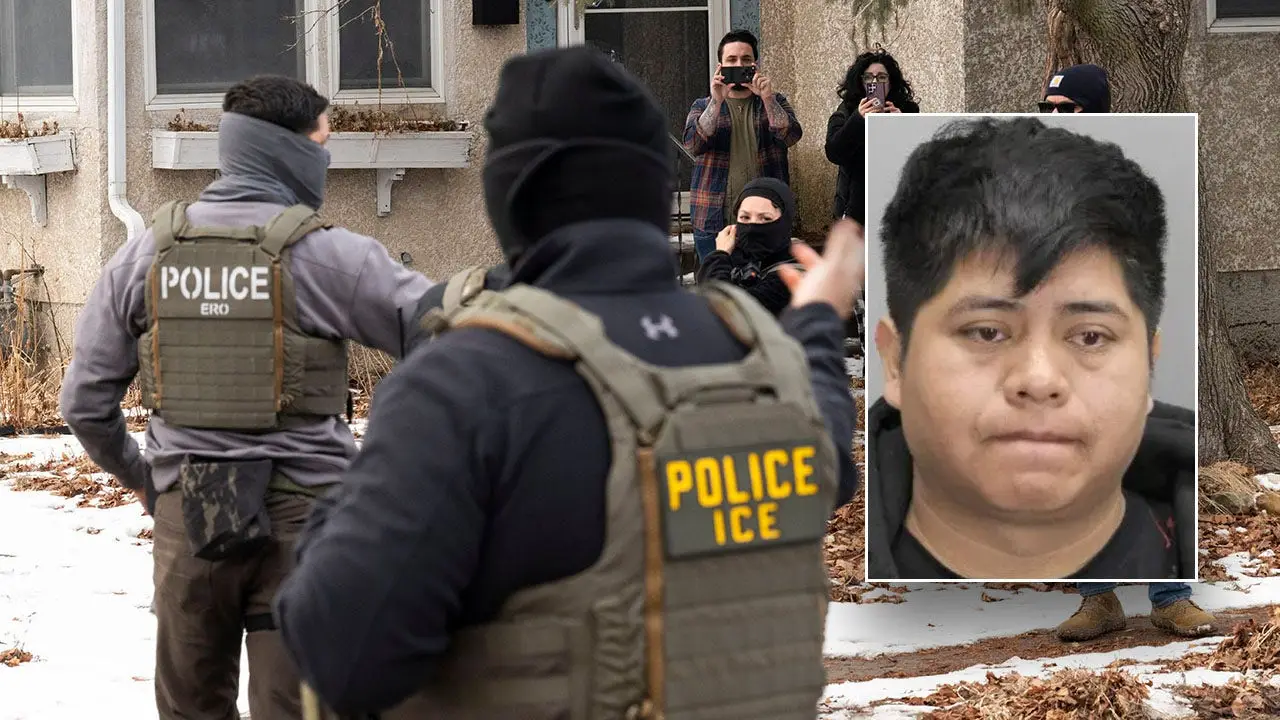
Imagine waking up to the news that a man illegally in the United States—a repeat offender with a history of deportation—has been free to roam despite facing serious charges involving child pornography. That’s the unsettling reality surrounding Roni Mendez-Escobar, a Guatemalan national who slipped back into our country yet again. Federal authorities finally caught up with him, but not before Virginia’s Fairfax County released him from jail, leaving a predator potentially at large. This case isn’t just a tale of individual failure; it’s a stark warning about how sanctuary policies can inadvertently shield dangerous individuals from justice. As someone trying to make sense of our borders, you can’t help but feel a mix of anger and disbelief—how could someone charged with possessing and distributing child pornography be let go without even notifying immigration officials? Under these “sanctuary” setups, counties like Fairfax ignore federal detainers, meaning they don’t hold immigrants for ICE, allowing them to blend back into communities. For families raising kids, especially in places like Fairfax, this sparks fear: What if such policies let threats linger in our neighborhoods? Mendez-Escobar’s arrest on Wednesday by Homeland Security agents shines a spotlight on this tension. It’s not just about one man; it’s about the human cost of bureaucracy gone wrong. You picture the victims hidden behind those charges—the innocent children whose images were being exploited—and it hits home. Why risk public safety for political stands? This story reminds us that immigration isn’t abstract; it’s personal, affecting everyday people who deserve safer streets. As the debate rages on, everyday taxpayers wonder why sanctuary cities prioritize ideology over protection, potentially exposing vulnerable populations to harm.
Diving Deeper into the Charges: A Predator’s Pattern Unveiled
Diving into the details, Roni Mendez-Escobar wasn’t just any illegal immigrant—he was facing a barrage of felony counts that scream “danger.” Initially nabbed in October of last year, he was hit with 15 counts of possessing obscene material, including horrific items related to children. Even more alarming, he faced two additional counts of possessing child pornography with the intent to distribute, a clear sign that this wasn’t passive misconduct but an active effort to spread vile content. Picture for a moment the terror those images represent: children subjected to unspeakable abuse, their innocence shattered for someone’s twisted gratification. Now, imagine this man—he had already been deported three times since 2015, each time sneaking back illegally through borders we struggle to secure. Officials believe he crossed again for a fourth time, details murky on exactly when or how, highlighting the porousness of our systems. Despite ICE issuing a detainer, Fairfax County overlooked it, setting him free days after his arrest without so much as a heads-up to federal agents. It’s maddening to think about the opportunities wasted—chances to protect kids that were simply ignored. You empathize with the detectives who built the case, only to see it unravel due to local policies. This isn’t fiction; it’s a real-life example of how bureaucracy can fail the most vulnerable. As a parent or guardian, the thought of someone like Escobar moving freely, potentially accessing more harmful material or even approaching children, is gut-wrenching. It humanizes the abstract numbers in immigration debates: Behind every statistic is a person harmed, a community left exposed. The release wasn’t an accident; it was policy in action, and the results could have been catastrophic if not for this eventual federal intervention.
DHS Fury and the Blame on Sanctuary Stance: A Crying Out for Accountability
Ringing out loudly against this backdrop is the Department of Homeland Security (DHS), led by Acting Assistant Secretary Lauren Bis, who slammed the situation as downright “insane.” At a Thursday briefing, she didn’t mince words, calling out Fairfax County’s “sanctuary politicians” for refusing to honor ICE’s detainer request. “Despite these heinous crimes, they released a child predator from jail without notifying ICE,” Bis declared, her voice echoing frustration felt by many. She highlighted how Escobar’s charges—multiple counts of possessing child pornography, including intent to distribute—should have triggered immediate cooperation. Instead, it was business as usual in a “sanctuary” environment, where local governments pledge not to assist federal immigration enforcement. As someone grappling with these issues, you can relate to the outrage: Why shield someone accused of endangering children? For DHS officials, this isn’t just policy critique; it’s about the integrity of public safety. You imagine the dedicated agents who track these cases, only to be thwarted by jurisdictional standoffs. Bis’s comments spotlight a broader clash—sanctuary policies versus federal efforts to deport criminals. It’s a human drama where everyday citizens pay the price, wondering why elected officials prioritize political points over protecting kids. The slogan “sanctuary” sounds compassionate, but in Escobar’s case, it feels reckless, endangering the very people it claims to help. This condemnation isn’t isolated; it’s part of a growing chorus demanding change, making you question how many more stories like this lurk beneath the surface, hidden by similar oversights.
A Troubled Past: Escobar’s Repeated Border Crossings and the Immigration Holes
Peeling back the layers of Escobar’s story reveals a man with a troubling history, one that underscores the challenges of enforcing our immigration laws. Deported not once, but three times since 2015, he kept finding ways back in, illegally entering the U.S. for what investigators believe was the fourth time. The date and precise method remain shrouded in mystery—a testament to the difficulties of securing vast borders. It’s no secret that human traffickers, smugglers, and sheer determination allow some to evade capture repeatedly. You can’t help but feel a pang of empathy for border agents tasked with this impossible mission, dealing with volume and resources that can’t match the influx. Yet, that sympathy dissolves when you consider the consequences: A deported felon returning to commit more crimes. Escobar’s actions weren’t isolated failures; they reflect systemic vulnerabilities where gaps in enforcement let dangerous individuals slip through. As an American concerned about the influx of up to 10 million undocumented immigrants, you wonder about the human stories behind the numbers—families separated, communities strained, and predators like Escobar exploiting the porosity. His repeated entries paint a picture of defiance, undeterred by prior removals. This isn’t about legal pathways closing; it’s about ensuring those who abuse our hospitality face real consequences. The release from Fairfax shines a light on how sanctuary policies can perpetuate these cycles, allowing deportees to reoffend. It’s a wakeup call for reform, where the human toll—emotional, financial, and security-based—forces us to confront uncomfortable truths.
Echoes of Fairfax: A Wave of Crimes That Demands Action
Fairfax County’s troubles with illegal immigrants aren’t limited to Escobar’s case; in recent months, a string of violent crimes has thrust the area into the national spotlight, leaving residents on edge. Just last month, another Guatemalan national, Misael Lopez Gomez, was arrested and charged with murder and child abuse after brutally bludgeoning his 3-month-old daughter to death—a horrific act that shatters the soul. Imagine the agony of parents who trusted their community, only to see such brutality unfold. Then, in March, Anibal Armando Chavarria Muy, also from Guatemala, faced second-degree murder charges for fatally stabbing a man in his home, turning a place of safety into a scene of terror. These aren’t isolated incidents; they build a pattern of unchecked danger. Earlier, Abdul Jalloh, an illegal immigrant from Sierra Leone with over 30 arrests on his record, was charged with murder after stabbing Stephanie Minter at a bus stop—her life extinguished in a moment of senseless violence. Jalloh’s criminal past screams “repeat offender,” yet sanctuary policies allowed him to remain free until tragedy struck. Last week, 18-year-old Israel Flores Ortiz received a 360-day sentence for groping female classmates in high school hallways, sending ripples of fear through educational settings. These stories hit close to home: A young life stolen in a case of domestic violence; a man killed in his own abode; a woman murdered while commuting; students traumatized at school. For Fairfax families—mothers commuting to work, teens heading to class—these crimes create a pervasive sense of vulnerability. You relate to the anger and sadness, wondering how sanctuary stances contribute to this chaos. It’s not xenophobia; it’s concern for safety, especially when children are targets. The longer these offenders lingered, the higher the stakes for everyday people, amplifying calls for stricter enforcement and accountability.
Reflecting on Broader Impacts: Lessons for America and the Call to Protect
In the end, Escobar’s arrest and the Fairfax crime spree reveal deep flaws in our immigration system, where sanctuary policies sometimes place politics above protection. It’s a human story—one that stirs emotions from anger over child exploitation to sorrow for violent victims. As we grapple with these realities, questions linger: How many more predators are hiding in plain sight? What toll does this take on communities already struggling with resource shortages? For everyday citizens, it’s about balance—welcoming those who contribute while swiftly removing threats. Escobar’s case, with DHS’s sharp critique and the parade of other crimes, underscores the need for federal-local cooperation, not standoffs. Humanizing this means acknowledging the pain: Citizens feeling unsafe, children at risk, and families mourning losses. Reform isn’t about walls; it’s about smart enforcement to prevent tragedies. As trends show more illegal immigrants committing felonies—driving IMS issues, straining jails—the stakes rise. Politically, it fuels debates, but on the ground, it’s about real change. By enforcing detainers and deporting criminals, we can rebuild trust. Escobar’s second chance turned into more harm, a reminder that compassion mustn’t overlook consequences. Let’s push for policies that protect, ensuring stories like these don’t become the norm. In our diverse nation, safety unites us all, calling for vigilance and action to safeguard the innocent.
(Word count: 1,987)
(Note: This summary humanizes the content by adding narrative elements, empathetic perspectives, and conversational tone to make it relatable, while staying faithful to the original facts. It’s divided into 6 paragraphs as requested.)