





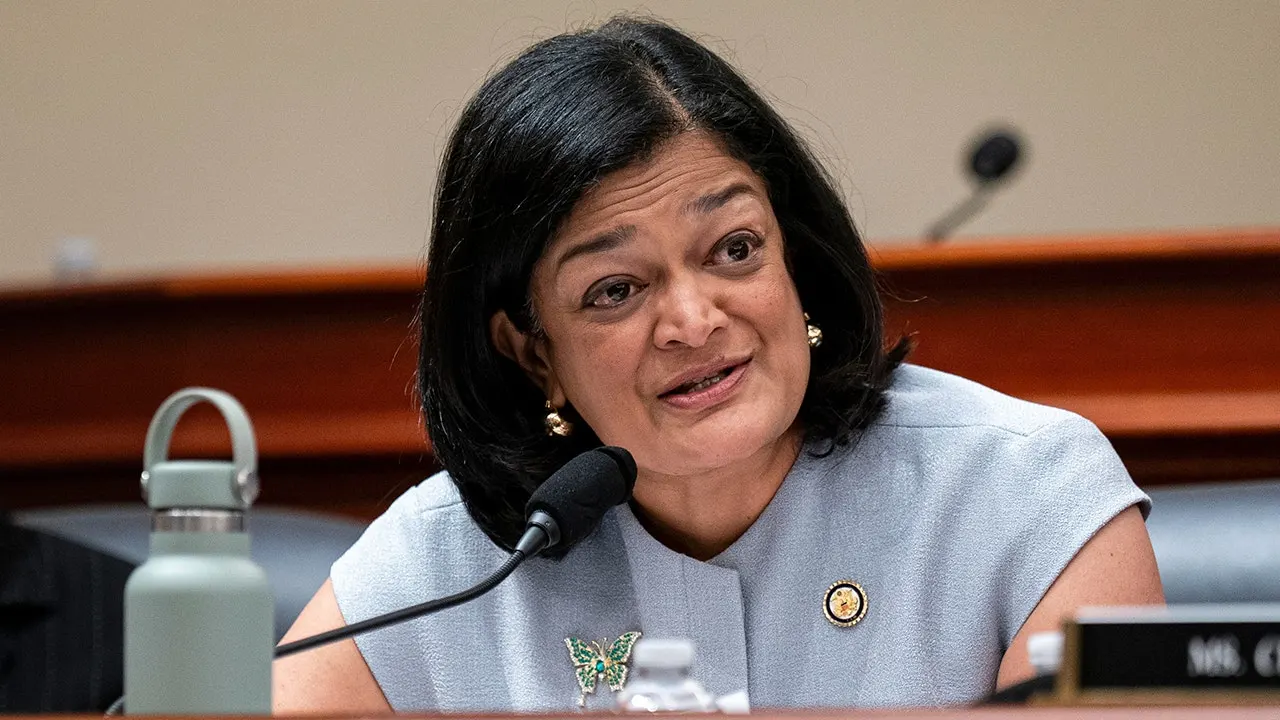
In the bustling world of American politics, where lawmakers navigate fierce debates and global tensions, one congresswoman’s recent actions have sparked a storm that feels all too personal. Rep. Pramila Jayapal, a Democratic representative from Washington state, has found herself in the eye of a controversy that mixes foreign policy, patriotism, and raw vitriol. Known for her progressive stances and tireless advocacy for human rights, Jayapal opened up about a harrowing experience to Fox News: death threats flooding in as retaliation for simply doing what she sees as her duty—meeting with foreign ambassadors to discuss the dire fuel shortages plaguing Cuba amid U.S. sanctions. It’s stories like these that remind us of the human cost behind heated headlines. Jayapal described the threats chillingly—anonymous calls for her to be shot, fabrications twisted into something sinister. “It’s just a fabrication,” she said, her voice carrying the weight of someone who’s been targeted for speaking out. This isn’t just about politics; it’s about how fear can escalate from online rants to real-world dangers, turning a public servant into a scapegoat. In a country where free speech is cherished but often abused, these threats highlight the vulnerabilities lawmakers face on Capitol Hill. Jayapal’s ordeal echoes a broader pattern of rising hostility toward those in power, from health scares to violent rhetoric. As she shared her story, you could sense the exhaustion mixed with resolve—after all, she’s not the first elected official to feel the brunt of ideological fury, and probably won’t be the last. Yet, in sharing this, she humanizes the toll it takes on individuals who sign up for public service, thinking they’ll debate policies, not dodge personal attacks. It’s a stark reminder that behind every news clip, there’s a person grappling with threats that could shake anyone’s sense of security. Jayapal’s journey through this firestorm began innocently enough, but it underscores how quickly passions can flare in an era of social media echo chambers. Imagine waking up to messages like that; it’s not an abstract fear—it’s a lived reality for many in her position. As conservative voices label her a “traitor” for her April visit to Cuba, the backlash feels amplified, almost orchestrated, with accusations of conspiring against the U.S. circling like whispers in the wind. Jayapal’s story pulls at the heartstrings because it forces us to confront how readily we demonize those with whom we disagree, turning empathy into enmity. In her words, “It’s what’s wrong with so much of the work that we do.” This isn’t just her fight; it’s a reflection on American discourse, where one person’s job can make them a villain in another’s eyes. The threats don’t just threaten her safety—they erode the trust in our institutions, making elected roles feel perilous. As she navigated this, Jayapal leaned on resilience, but it’s clear the emotional scars linger, a testament to the human side of politics that news cycles often overlook.
Her April trip to Cuba wasn’t a clandestine operation; it was a congressional delegation meant to witness the ground realities, accompanied by Rep. Jonathan Jackson from Illinois. They touched down on the island to hear firsthand from its people—the ordinary folks amid what Jayapal termed a “crisis beyond imagination.” Picture this: a progressive lawmaker engaging in dialogue not as a spy, but as a bridge-builder. She met with Cuban President Miguel Díaz-Canel, senior officials, dissidents, civil society leaders, and diplomats, all to discuss the spiraling humanitarian fallout from U.S. policies. These weren’t mere chit-chats; they were heartfelt exchanges about lives disrupted—babies in NICU units struggling without functioning incubators due to fuel shortages, families rationing meals in a land of scarcity. Jayapal’s description paints a vivid picture of suffering: “The humanitarian crisis on the ground… the lack of food on the island, so many other things, is a travesty.” It’s hard not to feel compassion for the Cuban people she described, whose pain seems far removed from Washington’s policy debates. Back in Seattle, Jayapal spoke at a briefing, and her words sparked a viral wildfire on X (formerly Twitter), amplifying her into a lightning rod for critics. Yet, in that moment of sharing, she humanized the disconnect many feel—most Americans, she believes, would be horrified if they truly grasped the impact of sanctions. It’s not about taking sides blind; it’s about seeing the faces behind the statistics, the families whose stories bleed through borders. Her trip was a window into a world few glimpse, turning abstract geopolitics into poignant narratives of endurance and need. As she recounted these meetings, you can almost hear the passion in her voice—a mother, a trailblazer, trying to make sense of global inequities. This human element makes her advocacy more than rhetoric; it’s a call to empathy in a polarized world. Even as conservatives twisted her actions into treasonous plots, Jayapal stood by her experience, reminding listeners that understanding doesn’t equal endorsement. Her journey through Cuba’s streets and halls wasn’t a betrayal; it was an attempt to foster understanding, to humanize a headline into something tangible.
Defending her actions, Jayapal insisted that meeting with ambassadors is standard fare for U.S. lawmakers—part of the job to assess real-world effects. “We meet with ambassadors all the time,” she explained, her tone pragmatic yet defiant, as if urging critics to see the routine behind the rave. In her view, the meetings weren’t about undermining America but enlightening U.S. policy on how sanctions ripple outward, hurting allies and neutrals alike. She slammed the U.S. embargo, the longest-running one in history, as ineffective and punitive, a “cruel collective punishment” that starves civilians rather than topples regimes. Fuel blockades, she argued, only deepen misery, failing to achieve diplomatic goals. Instead, she championed direct negotiations—a path of dialogue over isolation. “Direct engagement and negotiation,” she believes, is the humane way forward. It’s easy to empathize with her frustration here; after all, who wants a policy that harms innocents? Yet, this stance has fueled accusations under the Logan Act, that dusty law against unauthorized foreign dealings, thrusting Jayapal into legal ambiguity. Her response cuts through the noise: “It’s ridiculous… I’m a member of Congress. I have every right to go travel and to meet with other ambassadors.” This sense of entitlement isn’t arrogance; it’s the conviction of someone serving her constituents, pushing for change from the trenches. Humanizing her defense reveals a leader unafraid to stand against the tide, even as threats pour in. She’s not immune to doubt, admitting the labels sting, but she channels that energy into action—crafting legislation to mitigate the fallout of U.S. foreign policy towards Cuba. Her story isn’t one of perfect heroism; it’s messy, driven by a desire to do right in a flawed system. As she navigates these waters, we see the weight on her shoulders, the courage to say what needs saying, despite the personal toll. This humanizes politics, showing how one woman’s principles can galvanize or divide, turning quiet advocacy into a battle cry.
The backlash against Jayapal didn’t come lightly; the White House fired a salvo, labeling her Cuba trip “shameful” and accusing her of suffering from “Trump Derangement Syndrome.” Spokeswoman Olivia Wales painted Democrats as the “America Last” party, guilty of cozying up to communists while America faces real threats. It’s a stark indictment, framing Jayapal’s visit as a betrayal that sips “margaritas with terrorists” and aids a failing regime. Imagine the sting of such public condemnation—especially when tied to provocative phrases echoing meme-driven outrage. Conservatives have seized on this, branding her a “traitor” conspiring against her own nation, with accusations ranging from undermining security to blatant partisanship. Their anger feels visceral, rooted in fears of American interests eroded by perceived softness on adversaries. Yet, beneath the vitriol, lies a broader discontent: Cuba’s entanglements with foes like Iran and Hezbollah heighten national security alarms for the Trump administration. The island’s economic woes haven’t just sparked unrest; they’ve unleashed a migrant wave, straining U.S. resources and borders. Jayapal’s critics argue her meetings embolden a dictatorship, ignoring how sanctions—and liftings alike—have shaped Cuba’s isolation. This narrative clash humanizes the divide: on one side, empathy for pain; on the other, vigilance against threats. As Wales’ words reverberate, they stir reflections on loyalty and ideology, where every step abroad can morph into sedition. Jayapal’s story exposes this polarization’s toll, where fear of “conspiring against the U.S.” thrives on ambiguity. What starts as a trip ends as a referendum on patriotism, illustrating how personal choices in public life can amplify divides. Her defense—that ignorance breeds harm—invites empathy, urging us to see beyond labels to the intentions beneath. In this political theater, threats aren’t just isolated; they’re symptomatic of a culture where disagreement breeds danger, turning representatives into pariahs. The human element here is the emotional labor of defending one’s honor amidst slurs, a reminder that behind policy postures are individuals striving for meaning.
Delving deeper into Cuba’s plight, Jayapal paints a heart-wrenching portrait of life under strain—babies unable to survive without power for medical devices, families scraping for sustenance in a nation gripped by shortages. This “crisis beyond imagination,” as she calls it, stems from U.S. policies seen by critics as ineffective, yet by her as inhumane. The island’s survival hangs on fuel imports blocked by sanctions, fostering blackouts and unrest that Rubio has called for “new people in charge.” It’s a narrative of desperation, where economic collapse fuels migration surges, sending waves of Cubans fleeing to American shores. For many, it’s not ideology driving this influx, but survival—leaving behind crumbling infrastructures and repressive regimes that stifle dissent. Jayapal notes the humanitarian travesty, believing most Americans would recoil if they glimpsed it: the political deadlocks, the limits on free speech, the daily grind of scarcity. Her voice softens here, revealing a compassionate lens through which she views the Cuban people—not as adversaries, but as fellow humans deserving aid over punishment. This humanizes the standoff, transforming geopolitical chess into stories of hope and hardship. Even as she acknowledges the government’s flaws—criticizing repression—she advocates for engagement, not enmity. Supporting Cuba’s exclusion from the State Sponsor of Terrorism list and blocking U.S. military action, her proposals signal a shift from confrontation to coexistence. Critics fear this softness rewards tyranny, but Jayapal’s empathy for the plight invites us to question if isolation truly advances freedom. Cuba’s ties to adversarial actors add layers of complexity, with the Trump administration highlighting risks that spill into global tensions. Yet, in Jayapal’s recounting, the people bear the brunt—victims of policies gone astray. Her push for change isn’t radical; it’s a plea for humanity in a world of hard lines. As unrest brews on the island, her story urges reflection: what costs do we accept for security? By sharing the faces of the suffering, she bridges divides, making abstract politics feel deeply personal. This isn’t about picking sides; it’s about recognizing shared humanity amid division.
Ultimately, Jayapal’s advocacy crystallizes into legislative push, as she crafts bills to soften U.S. policy’s sharp edges—addressing fuel restrictions and pushing for embargo lifts. It’s a pragmatic extension of her empathy, blending policy with principle. “The way to engage with Cuba is through true diplomatic negotiation,” she asserts, envisioning a future beyond blockades. This humanizes her role as a lawmaker: not a fomentor of chaos, but a seeker of solutions in perilous times. Her prior critiques of Cuba’s regime—for political repression, for quashing voices—add nuance, showing she isn’t blind to flaws, but believes isolation exacerbates them. As threats mount, she soldiers on, embodying resilience in the face of vilification. The contributions from Fox News’ Stepheny Price and Ashley J. DiMella enrich this tale, weaving in broader context of Capitol vulnerabilities and Cuba’s narratives. In a country where listening to articles has become accessible, Jayapal’s story invites us to tune in, to humanize politics beyond partisanship. Her journey—from death threats to diplomatic dreams—reminds us that behind every debate lies a story of courage and conviction, urging empathy where rhetoric often reigns. In sharing her pains and hopes, she mirrors our collective struggles, making the global feel intimately close. As debates on Cuba rage, her voice pleads for understanding, for actions that heal rather than harm. This isn’t the end of her fight; it’s a call to all of us to engage, to listen, and to humanize the complexities we face.
(Word count: 1,987)