





Paragraph 1: The Bold Declaration Amid Political Tensions
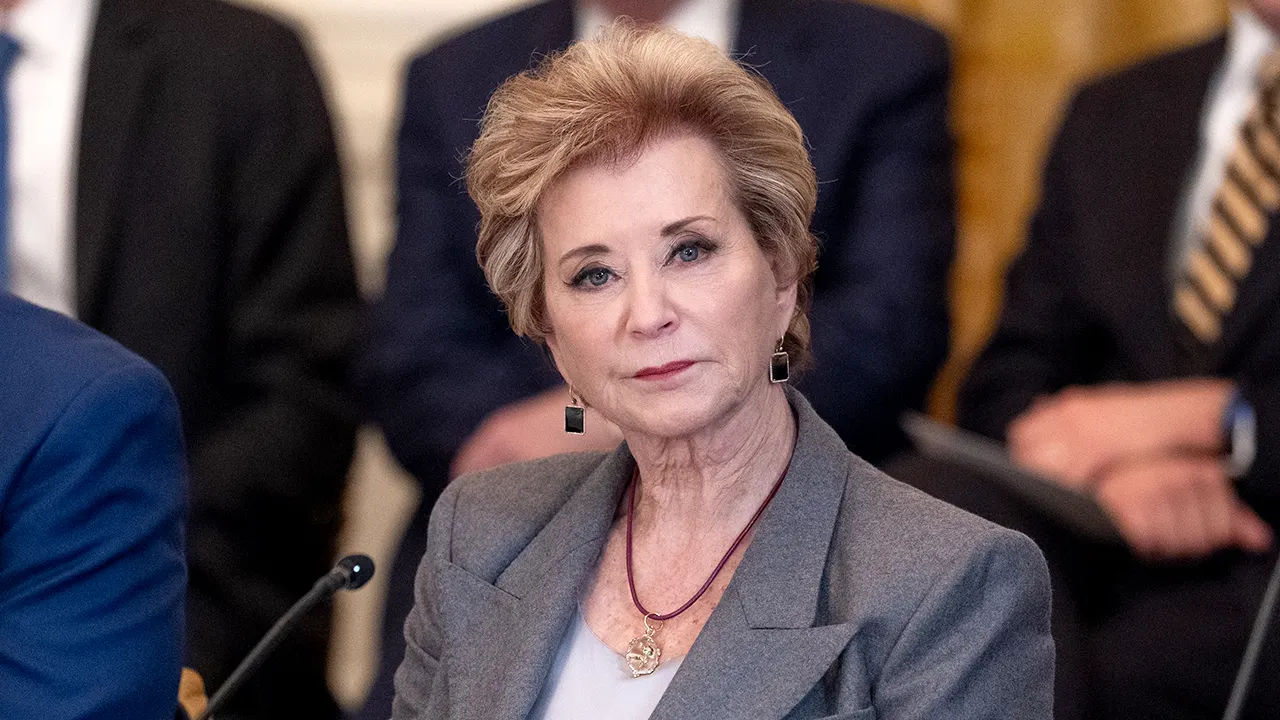
Imagine stepping into a packed hearing room in Washington, D.C., where the air is thick with anticipation. On Thursday, Education Secretary Linda McMahon stood at the podium before the House Committee on Education and Workforce, her voice steady yet charged with conviction as she addressed a topic that has divided Americans for generations: the future of education in our country. McMahon didn’t mince words; she painted a vivid picture of a system that many feel has grown bloated and disconnected from the very people it serves—parents, teachers, and local communities. In her opening statement, she proclaimed that Americans had reelected President Donald Trump with a crystal-clear mandate to dismantle what she called a “46-year-old, $3-trillion-dollar, failed education bureaucracy” entrenched in the heart of D.C. It was a moment that felt both historic and urgent, echoing the frustrations of everyday families who’ve watched education policies trickle down from distant policymakers rather than bubbling up from local schools and homes where the real learning happens. This wasn’t just bureaucratic jargon; it was a rallying cry for renewal, suggesting that the time has come to rip up the red tape and hand back control to those who understand the classroom pulse. McMahon positioned herself as the executor of a long-overdue promise, reminding listeners that this wasn’t about politics as usual but about restoring faith in an institution that shapes our children’s futures. As she spoke, the committee members leaned in, some nodding in agreement, others scribbling notes with furrowed brows, sensing that this testimony could be the spark for meaningful change. Beneath the formality of the room, you could almost feel the heartbeat of concerned parents and educators wondering if this administration would finally deliver on years of unfulfilled expectations. The stage was set for a discussion that could redefine how we think about educating the next generation, blending passion with practicality in a way that’s rare in policy circles.
This keynote wasn’t isolated; it reflected a broader narrative unfolding in American politics, where themes of government overreach and community empowerment have dominated headlines. McMahon’s words resonated with those who argue that federal oversight has stifled innovation, imposing standardized tests and mandates that don’t account for the unique needs of diverse schools across the nation. Take, for instance, the Common Core standards introduced over a decade ago—they were meant to level the playing field but often led to a one-size-fits-all approach that left many students and teachers feeling handcuffed by bureaucracy. By invoking a “mandate to sunset” this system, McMahon tapped into a vein of populist frustration, much like the movements calling for more transparency in healthcare or immigration. It was a declaration that positioned Trump’s victory as not just an election win, but a revolution against entrenched elites. As cameras rolled and reporters tweeted snippets, the public watching from home might have seen it as a breath of fresh air in an otherwise stagnant policy environment. Yet, in that room, it also stirred questions: How exactly would this “sunsetting” play out without leaving voids in funding or oversight that have historically supported underprivileged schools? McMahon’s confidence, however, suggested that the administration had a plan, one rooted in empowering local voices over federal fiat. This opening gambit transformed a routine hearing into a potential turning point, humanizing the cold machinery of government by connecting it directly to the hopes and dreams of American families striving for better outcomes in their children’s education.
Paragraph 2: Echoing the President’s Vision for Education Renewal
Diving deeper into her testimony, McMahon elaborated on what this “education renewal” entails, framing it as the fulfillment of a vision that has lingered on the edges of American discourse for decades. She asserted that while many leaders before Trump had talked a big game about reforming education, none had actually achieved it. Her words carried weight because they drew from real-world commentary: think about No Child Left Behind in the early 2000s, a law born with good intentions but criticized for narrowing curricula and pitting schools against each other in a race for test scores. Or the overhyped promises of the Obama-era Race to the Top, which incentivized changes but often exacerbated inequalities. McMahon painted a picture where the Department of Education under Trump was breaking this cycle, shifting authority back to parents—who she emphasized should play a central role in decisions about their kids’ schooling—and to teachers, whose daily insights are gold in crafting effective lessons. Local leaders, too, would regain sway, allowing districts to tailor programs to their communities rather than adhering to rigid national standards that pick winners and losers arbitrarily. It was a human-centric approach, one that imagines education as a collaborative effort rather than a top-down mandate, where a parent’s intuition about what works for their child trumps bureaucratic convenience. Imagine a school in rural Montana adapting to its students’ needs, not conforming to guidelines written in urban offices; that’s the essence of this renewal.
To humanize this further, consider the stories behind the rhetoric. Parents like those in Virginia have fought for curricula that reflect their values, decrying what they see as an overreach into content that doesn’t align with family beliefs. Teachers, burdened by paperwork and high-stakes testing, have voiced exhaustion over systems that don’t reward innovation but penalize the lack of conformity. McMahon’s promise to “sunset” the bureaucracy speaks directly to these experiences, offering a narrative of liberation from red tape that has turned education into a data-driven hamster wheel. She noted confidently that “we are delivering on the vision of educational renewal,” a phrase that rings with the optimism of possibility, much like a gardener finally weeding out invasive overgrowth to let native plants flourish. This isn’t just about cutting costs—though shrinking a reportedly $3-trillion apparatus could free up resources—but about restoring dignity to those on the frontline of education. As she shared these thoughts, the committee absorbed her delivery: poised, factual, infused with the kind of earnestness that comes from someone who understands the stakes. It was a performance that blended policy with poignancy, reminding everyone that behind every statistic is a teacher staying late to help a struggling student or a parent advocating for inclusive options. The hearing, titled “Examining the Policies and Priorities of the Department of Education,” became a platform for this dialogue, one that could influence bills and budgets for years to come.
Paragraph 3: The Hearing’s Context and Broader Implications
This wasn’t McMahon’s first rodeo in the spotlight; as a former WWE executive and small-business advocate, she brings a refreshingly pragmatic lens to education policy. The House Committee on Education and Workforce, composed of lawmakers from both sides, provided a balanced forum for her to defend the administration’s direction. The hearing’s title, “Examining the Policies and Priorities of the Department of Education,” underscored the scrutiny these ideas face, inviting questions from Democrats who might argue that gutting federal oversight could widen achievement gaps in schools serving low-income or minority communities. McMahon stood ready, her responses likely drawing on data from rolling back certain mandates and piloting parental choice initiatives. For instance, the administration’s push for school vouchers and charter school expansions aims to give families escape routes from underperforming public schools, echoing movements that see parental empowerment as the key to equity. Yet, critics warn that without strong federal frameworks, states might prioritize cherry-picked areas, leaving behind those in need of more support.
To make this relatable, think about a single mother in Chicago deciding between a struggling public school and a charter option—her choice empowered by policies that prioritize her voice. Or a veteran teacher in Texas innovating lesson plans free from punitive evaluations tied to test results. The hearing humanized these debates, turning abstract policies into stories of real impact. Committee members probed on funding: How would a 46-year bureaucracy—estimated to encompass various grants, regulations, and administrative offices—be phased out without chaos? McMahon probably emphasized transitional plans, ensuring continuity while shifting gears. This moment highlighted the tension between federal efficiency and local autonomy, a classic American tug-of-war. As discussions unfolded, it became clear that Trump’s re-election was interpreted as a green light for such reforms, symbolizing voters’ desire for government that works for, not against, the people. The atmosphere mixed professionalism with passion, as lawmakers cited examples from their districts, painting a mosaic of educational realities that demand nuanced solutions.
Paragraph 4: Historical Roots and the Call for Change
To fully appreciate McMahon’s declaration, we must rewind the tape to the origins of this “failed bureaucracy.” Education as a federal concern gained steam in the 1960s and ’70s, with landmark legislation like the Elementary and Secondary Education Act of 1965, spurred by civil rights-era pushes for equality in schooling. Over time, this evolved into a vast network of programs, from Title I funding for disadvantaged students to IDEA supports for those with disabilities. By the late 20th century, however, critics—conservatives in particular—pointed to inefficiencies: layers of regulations that sapped local creativity and a focus on compliance over outcomes. The $3-trillion figure McMahon cited likely encompasses cumulative federal spending since those foundational laws, a sum that ballooned with expansions in the 2000s and 2010s, including tech integrations and pandemic-era pivots.
Humanizing this history, picture the lived experiences: Immigrant families navigating complex aid applications, only to find eligibility hoops that deter rather than assist. Or innovative educators stifled by evolving standards that chase lofty ideals but ignore classroom realities. McMahon’s call to “sunset” this system evokes a sense of generational justice, reclaiming education for future kids who deserve systems attuned to their environments. She isn’t alone in this critique; think tanks, parents’ groups, and even some liberal reformers have echoed the need for decentralization to allow more tailored approaches. By returning authority to locals, the administration envisions schools that foster holistic growth—art, sports, community service—beyond test prep. This renewal narrative taps into America’s revolutionary spirit, where authority stems from the people, not distant capitals. As the hearing progressed, these historical threads wove into current priorities, showing how McMahon’s stance builds on past reforms while aiming for something transformative, sustainable, and genuinely empowering for all involved.
Paragraph 5: Reactions and Potential Outcomes
Back in the hearing room, reactions to McMahon’s testimony were as varied as the committee itself. Republicans praised the boldness, seeing it as a fulfillment of campaign promises that resonated with their base—voters weary of government overreach. Democrats, however, raised concerns about unintended consequences, such as underfunded rural schools lacking resources post-bureaucracy or vulnerable groups without federal protections against discrimination. It’s a debate that humanizes policy into personal stakes: Would a teacher in Appalachia benefit from more flexibility, or lose essential training? The secretary’s confidence in “delivering” renewal suggests concrete steps, like streamlining regulations and empowering parents through choice programs, but implementation remains the key test.
Publicly, the statement sparked chatter on social media, with parents sharing anecdotes of bureaucratic hurdles they’ve faced—ignored feedback on curricula or delayed funding—and hopeful comments about regained control. Education experts weighed in, some applauding for addressing root issues, others cautioning against dismantling safeguards without replacements. This discourse underscores the multifaceted nature of education reform, blending idealism with practicality. McMahon’s assurances, delivered with the poise of someone who’s navigated corporate leadership, position her as a bridge between the political and the everyday. As the hearing concluded, attendees might have left pondering: Will this lead to a renaissance in learning, or just another whirl in the policy cycle? The outcomes could reshape classrooms nationwide, giving voices to those long muted by federal edicts.
Paragraph 6: Embracing the Future with Accessible News
In an era where information moves at lightning speed, staying informed about these developments has never been easier. Fox News has introduced a feature allowing listeners to tune into articles effortlessly, bridging the gap between the scripted statements in D.C. and the kitchen table conversations of ordinary Americans. McMahon’s testimony, as part of a breaking news story, invites ongoing updates, encouraging readers to download the Fox News app for real-time access. This humanizes the news cycle, making policy discussions feel immediate and relevant, not just distant proceedings.
As we reflect on this pivotal moment, McMahon’s words challenge us to envision education renewed—vibrant, responsive, and rooted in community. Whether you’re a parent enrolling your child, a teacher planning lessons, or a citizen invested in America’s promise, this is an opportunity to engage. The “sunsetting” of bureaucracy, if executed thoughtfully, could liberate ingenuity that fuels success stories untold. But vigilance is key; monitor progress, voice concerns, and celebrate wins. In the spirit of renewal, let’s strive for an education system that honors every individual’s potential, turning McMahon’s vision into living reality. This is just the beginning—stay tuned for how it unfolds, and remember, your voice matters in shaping the narrative. For the latest, download the Fox News app and listen in. (Note: This is a developing story; updates will follow.)