




A Triumphant Trip Tops Off with Tea and Trade Wins
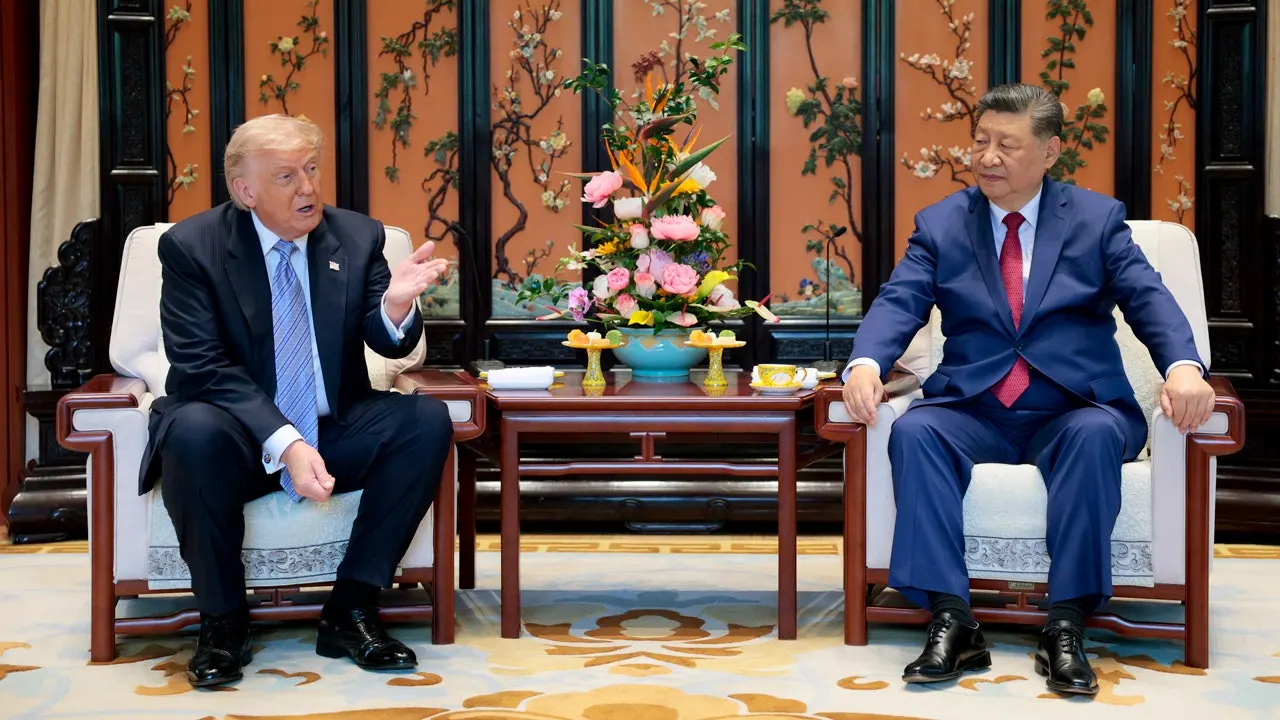
President Donald Trump’s whirlwind visit to China wrapped up on a high note, as he sat down for a final bilateral tea with Chinese President Xi Jinping at the serene Zhongnanhai compound. Standing before reporters with that signature Trump energy, the President beamed about the outcomes, calling it “an incredible visit” full of fantastic trade deals that benefit both nations. In a world where US-China relations have been tense for years due to tariffs and trade imbalances, this moment felt like a personal victory lap. Trump has always framed America’s trade approach as a way to level the playing field, pushing back against what he sees as unfair practices that cost American jobs. The backdrop is the ongoing tariff battle, where the US has slapped duties on Chinese goods to force better terms, and Beijing has retaliated in kind. Details on the exact deals are still emerging, but one standout announcement highlights China’s commitment to American industry: an agreement to purchase 200 Boeing jets. It’s the kind of big-ticket order that not only boosts US exports but also signals goodwill at the highest levels. Imagine the symbolism—a shared tradition like tea between two superpower leaders, unfolding amid historic gardens, leading to tangible deals in aviation, electronics, and beyond. Trump’s tone was upbeat, emphasizing how these agreements strengthen both economies and foster long-term stability. Yet, beneath the optimism, this summit echoes the complex dance of diplomacy, where economic leverage meets national pride, and leaders push for wins in a game that affects millions of workers back home.
Key Players Rally at the Summit Table
The meeting wasn’t a solo affair; it brought together a powerhouse lineup of American officials who stood as witnesses and participants in this pivotal exchange. Sitting alongside Trump were heavyweight figures like US Ambassador to China David Perdue, Secretary of State Marco Rubio—whose diplomatic finesse has been crucial in navigating international waters—and Treasury Secretary Scott Bessent, who keeps the financial pulse of these deals. Then there was War Secretary Pete Hegseth, adding a layer of strategic oversight, and US Trade Representative Jamieson Greer, the negotiator who’s been at the forefront of hammering out the terms. Picture the scene: these men, each with their own war stories from trade battles, gathered in the compound’s elegant setting, discussing not just economics but the broader tapestry of US-China ties. It’s a reminder that behind the headlines, these are real people—ambassadors forged in political fires, secretaries balancing budgets and borders—working tirelessly to secure America’s interests. Trump’s choice to include such a delegation underscores the administration’s “America First” ethos, treating trade talks as high-stakes chess matches where every move counts. As tensions have flared in the lead-up to the Xi showdown, having these voices in the room helped turn what could have been adversarial into a collaborative atmosphere. It’s humanizing to think of these leaders not as distant elites, but as dedicated professionals, some with families back in the States, ensuring deals like the Boeing order translate into real jobs and economic vitality for ordinary Americans.
Business Titans Dive into Deal-Making Discussions
Complementing the high-level diplomacy, President Trump’s entourage included luminaries from America’s corporate world, who arrived in Beijing not just as observers but as active partners in reshaping economic relations. These top business leaders, representing industries from tech to manufacturing, held a separate meeting with Chinese Premier Li Qiang on Thursday, focusing squarely on US-China economic and trade cooperation. It’s a testament to how Trump views himself as a deal-maker, inviting private sector giants to join the fold and turn presidential rhetoric into profitable reality. In a press release from the Chinese Ministry of Foreign Affairs, the tone was one of harmony and mutual prosperity: “China is willing to work with the United States to implement the important consensus reached by the two heads of state, strive for more positive outcomes, achieve mutual success and promote common prosperity, and better benefit the people of both countries and the world.” These words paint a picture of two nations committed to bridging divides, finding common ground in a global economy that’s increasingly interconnected. The meetings highlighted the need to “meet each other halfway,” safeguarding relations that drive innovation and growth. On the American side, the White House and Chinese Embassy remained tight-lipped initially, letting the actions speak louder than words. This cross-pollination between government and business adds a layer of humanity to the narrative—it’s not just policymakers in suits negotiating; it’s entrepreneurs with skin in the game, dreaming of new markets and partnerships that create opportunities for their employees and communities.
Shared Visions Emerge from productive Talks
As the talks progressed, optimistic vibes permeated the air, with Treasury Secretary Scott Bessent noting in interviews that the US and China were closing in on a comprehensive trade deal following their productive discussions. This sense of momentum stands out against a years-long standoff where tariffs have been weapons of choice. For Trump, it’s a validation of his unyielding approach: using duties as a forcing mechanism to address grievances like intellectual property theft and currency manipulation, which damage American industries. The Chinese side, while defending their sovereignty, showed openness through commitments like the massive Boeing jet order—a symbolic gesture that could ripple through supply chains and boost American manufacturing. Echoing in the ministry’s statements is a call for reciprocity, where both nations compromise for the greater good, not just for leaders but for the everyday people who rely on stable trade—think farmers exporting soybeans or tech workers designing the next gadget. It’s heartening to hear this emphasis on “common prosperity,” as it humanizes global relations: these are fathers and mothers, entrepreneurs and laborers, whose lives intertwine through international commerce. The White House’s silence on specifics leaves room for intrigue, but the overall narrative points to a thawing of tensions, where old adversaries learn to dance together rather than clash. This shift could redefine how the world’s largest economies engage, turning potential conflicts into collaborative ventures that uplift societies on both sides of the Pacific.
Trump’s Insights Unveil Massive Investment Potential
Delving deeper into the energy behind these deals was President Trump’s candid interview with Fox News’ Sean Hannity on Thursday, where he shared exciting insights into China’s enthusiasm for American opportunities. Trump revealed that China is eager to invest “hundreds of billions of dollars” in partnership with the US business leaders accompanying him—imagine the scale of that! “Those business people are here to make deals and to bring back jobs,” he declared, painting a vivid picture of a bustling marketplace where capital flows freely across borders. This isn’t just talk; it’s a direct link to Trump’s broader “America First” vision, where trade isn’t a zero-sum game but a pathway to mutual enrichment. The President emphasized how this influx could revitalize US industries, creating high-paying jobs and restoring economic dominance lost over decades. For Hannity’s audience—and anyone following along—it feels inspiring, like rooting for the underdog in a story of comeback: a leader who believes in America’s untapped potential, pushing initiatives that resonate with working-class families dreaming of better futures. Tariffs, in this context, weren’t just about punishment; they were tools for leverage, culminating in deals that bring wealth home. It’s a moment that humanizes economics, reminding us that behind billion-dollar figures are real stories—of engineers innovating, families reuniting, and communities rebuilding. Trump’s words carried the weight of someone who’s lived the rollercoaster of negotiations, making these developments feel accessible and achievable, not just grandiose.
Reflecting on Trade Triumphs and Future Horizons
Stepping back, Trump’s China policy has been a cornerstone of his legacy, with a major focus on accountability for trade deficits that bleed US wealth. As “America First” pulled him back into the White House, his swift action in April 2025—unveiling the “Liberation Day” tariffs—was a bold stroke, generating revenue and pressuring counterparts for fairer terms. These duties, echoing his first term in 2017, when he slapped tariffs on Chinese imports and sparked retaliation, have been the linchpin of tension between the two giants. It’s a high-wire act: Trump’s strategy aims to protect American jobs and industries from being undercut by low-cost imports, while China’s responses have tested the limits of diplomacy. That 2017 visit, marked by deals like a $12 billion Qualcomm chip agreement and $37 billion for Boeing jets, promised a bright future, but it couldn’t prevent the 2018 downturns. Now, with Xi and his wife set to visit the US in September, there’s a sense of forward momentum, as if old wounds are mending. For enthusiasts of fair play, it’s encouraging—these leaders, flawed yet determined, are stitching together a narrative of progress that transcends politics. Trump’s tariffs aren’t mere economics; they’re a human plea for justice, ensuring that hardworking Americans aren’t left behind in a global race. As Fox News rolls out listening options for its articles, it bridges technology and storytelling, letting us absorb these complex interactions on the go, just like a podcast recap of history in the making. In human terms, this is about hope: leaders like Trump and Xi, navigating egos and interests, forging pathways that could lead to unprecedented cooperation, benefiting countless lives worldwide. The Boeing order and investment pledges are just the beginning, a chapter in a larger story of resilience and renewal.