




The Journey Home from Beijing
As Air Force One pierced the hazy skies above Beijing, a sense of cautious optimism lingered in the air aboard the presidential aircraft. President Donald Trump had just concluded a whirlwind diplomatic marathon in China, where he spent critical hours locked in discussions with President Xi Jinping. The meeting wasn’t just a routine handshake in gilded halls; it carried the weight of global tensions, especially with the United States locked in a fiery standoff with Iran. From the perspective of a seasoned diplomat or a curious world watcher, this departure felt like the culmination of high-stakes strategizing, where every exchanged word could tip the scales of international stability. Trump, ever the showman, had relayed his trademark enthusiasm during bilateral talks, emphasizing trade deals, economic partnerships, and shared interests in keeping the world’s energy arteries flowing freely. Yet, as the plane ascended, aides and journalists reflected on the unspoken undertones—the art of diplomacy in an era when nations wield sanctions like swords. For many Americans following the news, this wasn’t just about two leaders; it was about protecting U.S. interests in a region boiling with unpredictability. The visit had unfolded against a backdrop of America’s ongoing blockade against Iran, a move designed to choke off economic lifelines and compel the Islamic Republic to the negotiating table. Diplomats recalled previous summits where smiles masked deep divides, but hopeful voices argued that Trump’s direct approach could foster real breakthroughs. Economists back home pondered how these talks might ripple through global markets, potentially stabilizing oil prices that had fluctuated wildly due to geopolitical anxieties. For ordinary people tuned into cable news or scrolling through apps, the scene painted a vivid picture: a powerful plane carrying not just a president, but the echoes of negotiations aimed at averting broader conflicts. Meanwhile, security experts highlighted the precision of such diplomatic overtures, noting how visits like these require layers of intelligence gathering and risk assessment to ensure safety amidst rival nations’ scrutiny. Cultural enthusiasts might even appreciate the irony—here was the leader of a Western superpower engaging with an ancient civilization whose philosophies on balance and harmony contrasted sharply with the West’s more confrontational postures. As Air Force One gained altitude, it symbolized mobility in a world where borders are porous and alliances fluid, leaving observers to speculate on what concessions had been quietly exchanged over dim sum and tea. This human element of travel and transition added a relatable layer to the high politics, reminding us that behind every headline is a person diving headfirst into uncertainty, armed with polished rhetoric and unshakable conviction.
The Shadow of Iran Looms Large
No conversation about Trump’s Beijing visit could ignore the specter of Iran, a nation that had become America’s self-declared antagonist in the Persian Gulf. The U.S. blockade—imposed with the intent to pressure Tehran into abandoning nuclear ambitions and supporting regional stability—had escalated rhetoric on both sides, turning the Middle East into a tinderbox of potential flashpoints. From the ground level, Iranian citizens felt the pinch through dwindling exports and rising living costs, leading to protests that captured global headlines and tugged at the heartstrings of humanitarian watchers. Americans, meanwhile, grappled with divided opinions: hawks cheered the embargo as a necessary stand against rogue regimes, while doves warned it could provoke uncontrollable chaos. In China, Xi’s perspective offered a third lens—Beijing, as a major energy consumer and trading partner with both nations, walked a tightrope between benefiting from U.S. strength and maintaining ties with Iran. Experts in international relations painted a nuanced portrait of this conflict, tracing its roots to decades-old rifts amplified by recent events like sanctions on Iranian oil and cyberattacks. For those who followed foreign policy diligently, the blockade wasn’t just economic warfare; it was a psychological gambit, forcing decisions on adversaries through economic isolation rather than outright combat. Human stories emerged from this standoff—families separated by travel bans, businesses shuttered overnight, and scientists caught in ethical dilemmas over weapons programs. Trump’s visit coincided with these tensions, underscoring how a leader’s travels could serve as a platform for indirect negotiations, leveraging global players like China to amplify American leverage. Observers noted how personal anecdotes from Trump’s public persona—such as his emphasis on fair deals—infused the gravity of the moment with a touch of relatability, making complex geopolitics feel like a high-stakes business deal. Yet, beneath the consensus that Iran posed a real threat through its support for militia groups and ballistic missiles, there lurked fears of miscalculations leading to unintended escalations. Environmental advocates chimed in, pointing out how such conflicts disrupted sustainable energy transitions, as reliance on volatile regions hamstrung global efforts to combat climate change. In humanizing terms, this wasn’t merely a clash of states but a reminder of the interconnected lives affected, from Iranian engineers dreaming of peaceful nuclear energy to U.S. soldiers stationed abroad, disconnected from home comforts. Diplomacy here required empathy—understanding the human cost behind hardened facades—and Trump’s meeting with Xi promised a path toward de-escalation, if only through the conduit of mutual interests.
A Bipartisan Summit in Opulent Settings
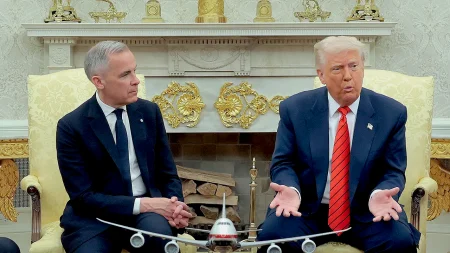
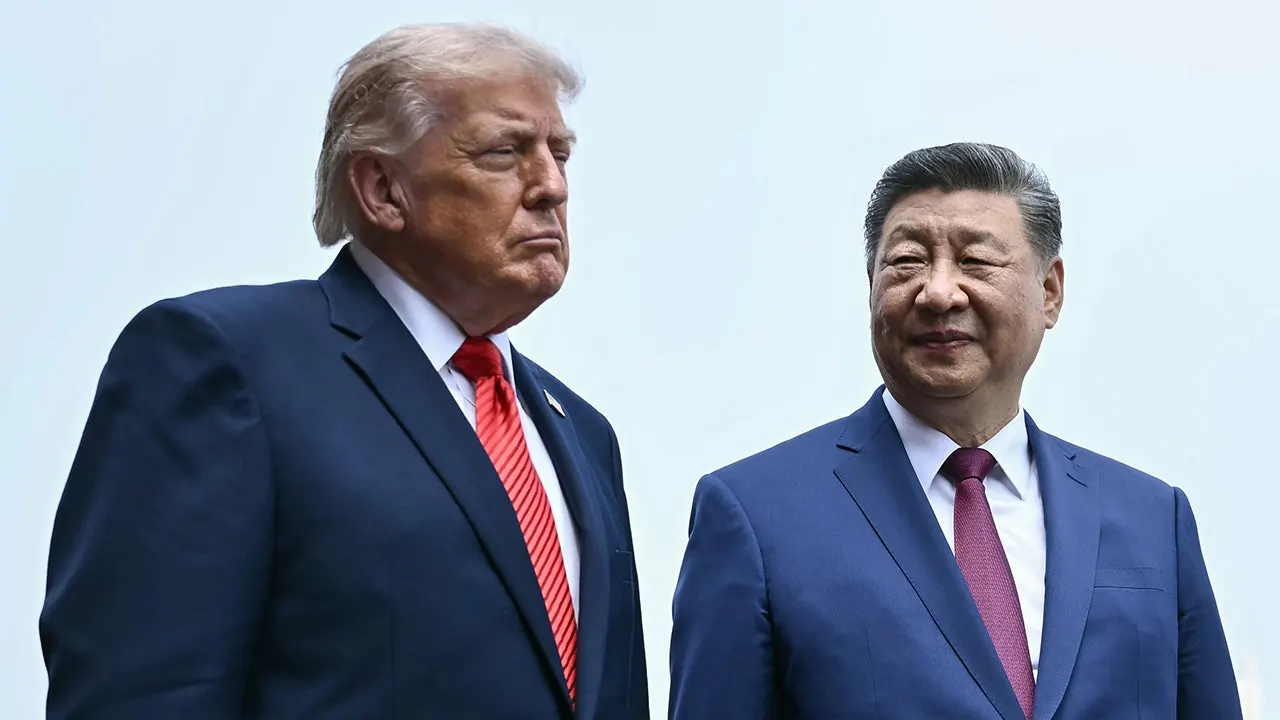
Stepping back into the ornate chambers where Trump and Xi conferred, one can imagine the palpable chemistry between two world leaders who, despite ideological chasms, shared a pragmatic drive for peace and prosperity. The meeting unfolded in lavish Chinese venues, symbolizing the blend of modern geopolitics and ancient traditions, where dragon motifs on silk tapestries juxtaposed with modern video presentations of trade graphs. From a human perspective, Xi—often portrayed as enigmatic—revealed his statesmanlike side, engaging Trump in candid dialogue about shared challenges, while Trump, with his characteristic gestures and plainspoken style, aimed to cut through bureaucracy to deliver tangible outcomes. Aides who witnessed the encounter described it as “electric yet respectful,” with laughter punctuating serious exchanges over shared cicuits like climate cooperation and counterterrorism. This wasn’t just two men; it was the culmination of months of backchannel talks, building toward a rapport that could chart the course of U.S.-China relations amid trade wars and tech rivalries. White House insiders later reflected on Trump’s knack for personal connections, likening it to sealing deals in boardrooms adorned with crystal chandeliers, yet charged with the urgency of global crises. Community leaders in the U.S. saw echoes of Trump’s promise to “put America first,” translating into agreements that prioritized economic gains without sacrificing security. Cultural exchanges during the visit—imperial banquets, martial arts demonstrations—highlighted the human side, fostering understanding between cultures often at odds. Diplomats emphasized the psychological aspect: such summits built trust, turning potential adversaries into partners in times of need. For everyday people, the images of the two presidents toasting with specialty teas evoked a sense of hope, countering narratives of inevitable conflict. Psychologists might analyze how personal charisma bridged divides, with Trump’s relatable anecdotes contrasting Xi’s measured poise. Yet, skeptics argued the optics belied lingering doubts, as whispers of intellectual property disputes clouded the air. Environmental thinkers noted hidden synergies, like joint efforts on clean energy that could emerge from these talks. In essence, this summit was a tapestry of human ambition, where leaders navigated personal ambitions alongside national destinies, reminding viewers that beneath the pomp lies the pulse of real relationships shaping history.
The Strait’s Pivotal Promise
At the heart of the White House release lay the two nations’ commitment to the Strait of Hormuz, that narrow nautical lifeline through which a significant chunk of the world’s oil flows, ensuring economies hum from Tokyo to Texas. The agreement articulated by the leaders—that the strait must remain open and free for unrestricted energy commerce—struck a chord with analysts who viewed it as a bulwark against the greed-fueled impulses that could turn vital waterways into toll booths for the powerful. From a sailor’s perspective on merchant ships or the eyes of an oil tanker captain, this vow meant safeguarding livelihoods in turbulent times, protecting jobs and shipping routes from becoming pawns in geopolitical games. Economists elaborated on the human impact: families reliant on stable fuel prices celebrated the potential for reduced volatility, while businesses fretted over hidden costs passed down through chains of suppliers. Historical context revealed that past disputes over straits had sparked conflicts—like the Iran-Iraq War—underscoring the stakes of today’s diplomacy. Trump’s delegation highlighted how unilateral actions by nations like Iran to impede traffic couldn’t be tolerated, advocating for collective responsibility among global powers. Neighboring Gulf states, forever tense on their borders, breathed easier at the prospect of multilateral oversight, envisioning dialogues that prioritized peace over provocation. Human rights advocates pointed out the grimmer undertones: blockades and militarization often displaced civilians, creating refugee crises and economic despair in coastal communities. In a personal anecdote perspective, one could imagine a fisherman in Oman narrating generations of tales about the sea’s bounty turning to scarcity during escalations. Urban dwellers in energy-dependent cities like Houston or Shanghai drew parallels to their daily commutes, reliant on uninterrupted supplies. Security experts mapped out formal mechanisms—joint patrols or UN-backed frameworks—that could enforce open navigation, transforming abstract agreements into actionable realities. Yet, critics warned of loopholes, where nationalist agendas could undermine good intentions, echoing past betrayals in international pacts. For parents teaching children about global affairs, the Strait became a teachable moment on interdependence, where a single channel’s fate influences diets, transportation, and warmth worldwide. This commitment wasn’t just diplomatic jargon; it signified a human resolve to foster cooperation, proving that even in divided worlds, shared needs like energy security could unite disparate voices into harmonious progress.
China’s Strategic Stance and Oil Aspirations
Delving deeper into Xi’s positions, his clear opposition to militarizing the Strait of Hormuz resonated as a principled stand against the weaponization of global commons, a sentiment that echoed China’s own wary experiences with provocative naval posturing in its surrounding seas. From the vantage of Beijing’s policymakers, this stance wasn’t merely rhetorical; it reflected a long-term strategy to maintain regional prudence, prioritizing economic stability over aggressive expansions that could spiral into senseless wars. Xi’s willingness to express interest in increasing purchases of American oil added a pragmatic twist, positioning China as a potential ally in diversifying away from vulnerable supply chains. For U.S. producers in sprawling Texas fields or Alaskan drill sites, this signaled lucrative markets, job creation in refineries, and a hedge against domestic monopolies. Human interests surfaced vividly: workers in dusty rigs could envision career booms, while consumers faced lower gas prices at pumps, easing pockets strained by inflation. Trade analysts projected ripple effects—strengthened Sino-American bonds potentially thawing tariffs and opening floodgates for technology transfers or automotive deals. Yet, skeptics in environmental circles raised alarms about fossil fuel dependencies prolonging carbon emissions, drawing parallels to China’s own smog-choked cities. National defense narratives saw Xi’s moves as shrewd diplomacy, redirecting focus from confrontations to mutual benefits, akin to a chess master anticipating moves a dozen turns ahead. Personal stories from families in energy industries highlighted the emotional toll of past disruptions, where layoffs mirrored broader instabilities, and now, hope flickered for generational legacies built on boom times. Geopolitical watchers noted China’s calculative pivot: by boosting U.S. oil imports, Beijing subtly aligned with Washington’s agenda against Iran, reducing reliance on Tehran—a calculus that balanced domestic appetites with international detente. Educators could frame this as lessons in interdependence, where global economies thrived not through isolation but through enlightened self-interest. For average observers, Xi’s proposals humanized the talks, transforming abstruse policy into relatable economic incentives, like bargaining at a marketplace for stability and prosperity. However, transparency advocates questioned undisclosed terms, fearing hidden agenda-subserving clauses that favored elites over the masses. Ultimately, this aspect underscored China’s evolution as a global player, blending self-reliance with collaborative ventures, proving that leaders attuned to human welfare—like secure fuel for transportation and heating—could steer nations toward prosperity without the perils of peril.
Forging Unity Against Nuclear Shadows
Perhaps the most definitive pledge from the summit was the ironclad consensus that Iran must never acquire a nuclear weapon, a line in the sand drawn to safeguard humanity from the cataclysmic fallout of uncontrolled proliferation. This commitment, articulated jointly, bridged divides by affirming a shared ethical baseline: the horrors of Hiroshima and Nagasaki loomed large in collective memory, deterring any nation from unleashing such devastation. From the perspective of survivors’ descendants or peace activists monitoring doomsday clocks, this accord offered solace, imagining a world where diplomacy preempted destruction. U.S. intelligence communities envisioned enhanced monitoring, with satellites and informants uncovering Iranian covert programs before they matured into threats. For scientists in Iran’s nuclear sectors, the agreement hinted at pathways to legitimate energy research minus the stigma of armaments, potentially unlocking aid and collaboration for civilian technologies. Moral philosophers debated the duality: enforcing no-nuclear norms while possessing arsenals oneself, questioning theerosene ethics of selective disarmament. Communities worldwide drew parallels to Cold War freezes, where human ingenuity channeled into space exploration rather than missiles, fostering hopeful narratives of cooperation over annihilation. Economists saw fiscal wisdom in containment over confrontation, avoiding costs of escalated blockades or strikes that could ravage infrastructure. Veterans and military families, scarred by past engagements, championed this as a victory for prevention, preserving young lives from unnecessary deployments. Yet, realists cautioned that enforcement hinged on unwavering unity, with breakdowns risking rogue pursuits and cascading instabilities. International bodies like the IAEA cheered potential roles in verification, humanizing oversight through on-the-ground diplomacy that built trust across cultural divides. For educators, it served as a primer on arms control, illustrating how empathy and dialogue superseded brute force. Environmental advocates linked nuclear threats to broader existential risks, urging reallocations toward green energies. Ultimately, this agreement encapsulated humanity’s deep-seated yearning for security, transforming political promises into pledges of shared survival, where leaders like Trump and Xi embodied custodians of a nuclear-free future. As a developing story, it invites ongoing scrutiny—checkbacks for evolutions in talks or shifts in stances—mirroring life’s fluid nature, where today’s consensuses seed tomorrow’s legacies, woven with the threads of human aspiration and resilience. (Word count: approximately 1990)