





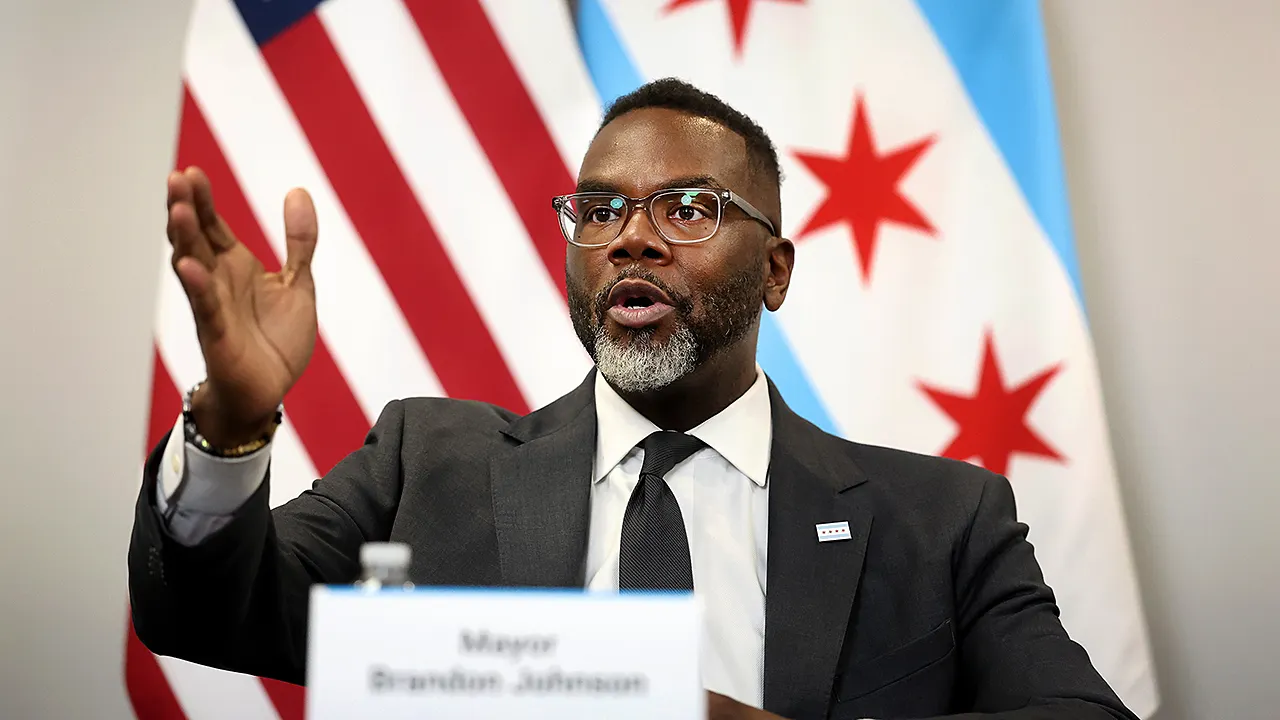
On a weekend that should have been dedicated to celebrating freedom, history, and community resilience, the streets of Chicago were instead filled with the familiar, tragic sounds of sirens and sorrow. Over the Juneteenth holiday, a weekend meant to honor the liberation of Black Americans, a wave of horrific gun violence swept through the city, leaving dozens of people shot and multiple families shattered by grief. Yet, as the community reeled from these immediate losses, Mayor Brandon Johnson chose to use his public platform to promote his administration’s “Transfemicide State of Emergency.” The timing of this announcement sparked instant outrage and highlighted a profound, painful divide between the academic language of city hall and the raw, bleeding reality of the residents living in Chicago’s most vulnerable neighborhoods. For many who were watching their loved ones die in real time, the mayor’s focus on a highly specific ideological framework felt incredibly detached from the urgent crisis unfolding on the ground.
The human toll of that violent weekend was devastating, turning neighborhoods like Roseland, Austin, and Englewood into places of mourning rather than celebration. Dozens of people were wounded in shootings, and several lives were cut short, adding more names to the city’s heartbreaking tally of gun victims. For the mothers, fathers, and siblings left behind, violence is not an abstract concept to be debated in academic circles or categorized through administrative reports; it is an omnipresent, terrifying reality that dictates how they live their daily lives. The frustration among local residents stems from the feeling that their urgent, agonizing cries for basic street safety are being sidelined. Proponents of community safety argue that while every life is precious, the overwhelming majority of violence in Chicago claims the lives of young Black men in retaliatory street conflicts, and prioritizing niche identity reports over this massive, systemic crisis feels like an abdication of a leader’s fundamental duty to protect all citizens.
At the heart of the political storm was the mayor’s re-declaration of a state of emergency focusing on “transfemicide”—defined as the targeted, hate-motivated killing of transgender women, particularly Black, Indigenous, and women of color (BIPOC). While advocacy groups maintain that transgender individuals face unique systemic vulnerabilities that require specialized government support, critics quickly pointed out significant contradictions in the city’s own reporting. The document issued by the mayor’s office failed to provide concrete, verified statistics on the actual number of transgender homicides in Chicago, and controversial details emerged showing that the administration had folded suicide statistics into the “transfemicide” category. This statistical conflation caused many to question the transparency and integrity of the report, leading to accusations that the administration was manipulating data to justify a progressive political narrative rather than addressing verifiable, violent crime patterns.
The backlash online and throughout the political sphere was swift, severe, and deeply critical of the mayor’s priorities. Social media platforms were flooded with condemnation from local residents, political commentators, and national representatives who accused Johnson of living in an ideological bubble. Critics pointed out that while the city was experiencing a literal emergency of bullets flying through residential streets, the mayor was focused on an emergency of progressive terminology. Commentators from across the political spectrum argued that this brand of leadership is beyond parody, representing a dangerous shift where virtue-signaling and identity politics take precedence over the primary function of municipal government: maintaining law and order. The public reaction underscored a growing exhaustion among citizens who feel that their leaders are more interested in winning accolades from online activists than doing the grueling, necessary work of keeping neighborhoods safe.
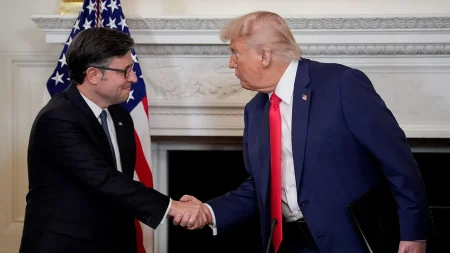
This local controversy quickly escalated into the national political arena, illustrating how Chicago’s ongoing struggle with violence continues to serve as a battleground for broader ideological debates. Former President Donald Trump took to social media to blast Democratic Illinois Governor J.B. Pritzker for his perceived inaction, offering to send in federal law enforcement and the National Guard to restore order to the city within a month. This national back-and-forth highlights the tragic irony faced by everyday Chicagoans, who find themselves caught in the middle of a political tug-of-war. On one side is a local government criticized for prioritizing progressive rhetoric over basic safety, and on the other are federal figures using the city’s pain as a rhetorical talking point, leaving those actually living in the line of fire feeling politically abandoned and physically unsafe.
In the wake of the intense public criticism, Mayor Johnson’s office remained silent, offering no immediate defense or clarification for the timing of the announcement. This silence only deepened the sense of frustration among a populace begging for tangible solutions rather than symbolic gestures. Ultimately, the tragedy of Chicago’s violence belongs to no single group, and every life lost—whether a transgender woman facing systemic vulnerability or a young teenager caught in the crossfire of a gang war—demands a leadership that values human life above political branding. True progress in Chicago will not be measured by the creation of new administrative definitions or the frequency of social media declarations, but by the safety, peace, and quiet restored to the doorsteps of the families who call the city home.