


China’s Diplomatic Dance: Balancing Power in the Hormuz Strait Crisis
In a moment of geopolitical maneuvering that could reshape global energy markets, China’s top diplomat, Foreign Minister Wang Yi, sat down with his Iranian counterpart, Abbas Araghchi, in Beijing on Wednesday. Their discussions, as detailed by state news agency Xinhua, underscored China’s urgent call for de-escalation in the Strait of Hormuz—a chokepoint through which a staggering 20% of the world’s oil flows daily. This meeting came amid mounting pressure from the Trump administration on Beijing to leverage its influence and push Iran to reopen the vital waterway, which has been effectively blocked by Tehran for weeks, sparking fears of economic turmoil.
A Call for Cessation: Wang Yi’s Plea Amid Rising Tensions
Wang Yi, ever the measured statesman, framed the talks as a critical step toward restoring stability, emphasizing that a comprehensive halt to hostilities was “a matter of urgency.” He artfully avoided directly accusing Iran of instigating the crisis, instead highlighting China’s deep concerns over the blockade’s ripple effects on global trade. “Any reigniting of hostilities is even less desirable,” he remarked, according to the Xinhua summary, urging all parties to prioritize negotiations. His words echoed a broader international chorus clamoring for the strait to be cleared, allowing safe passage for the endless convoy of oil tankers, natural gas carriers, and cargo ships that sustain economies worldwide. This diplomatic exchange marked the first high-level Iranian visit to China since the U.S.-Israel war with Iran erupted in late February, signaling Beijing’s cautious efforts to mediate without drawing itself into the fray.
The Strait’s Stranglehold: Economic Impacts and Global Shockwaves
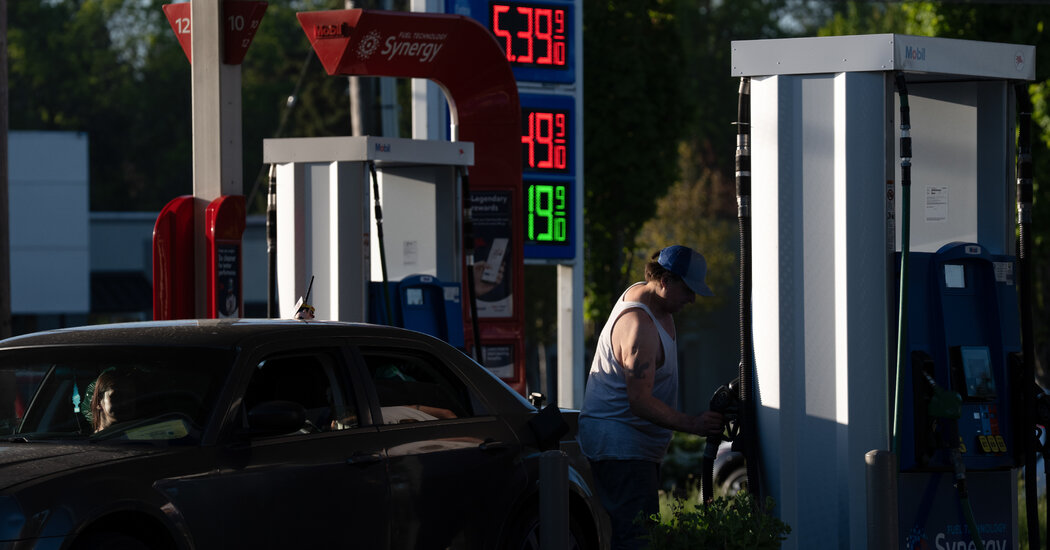
The Strait of Hormuz, that narrow waterway snaking between Iran and Oman, isn’t just a shipping route—it’s the jugular vein of international commerce. Iran’s blockade has propelled oil prices to dizzying new highs, exacerbating inflationary pressures across the globe and sending shockwaves through economies heavily reliant on cheap energy. For China, a nation importing vast quantities of crude to fuel its industrial behemoth, the disruptions are particularly acute. Analysts point to data from the International Energy Agency, which estimates that any prolonged closure could shave points off global GDP growth, with China’s manufacturing sector—already teetering from supply chain strains—bearing much of the brunt. Wang Yi didn’t mince words on this front, reiterating that the international community shares a “common concern” for normal operations in the strait. His appeal to reopen it carries the weight of China’s own economic vulnerabilities, where surging energy costs threaten to inflate the price of everything from consumer goods to industrial inputs.
Iran’s Reassurances and China’s Neutral Stance
From Tehran’s perspective, Abbas Araghchi left little room for doubt about Iran’s commitment to diplomacy. In a statement following the meeting, he briefed Wang on ongoing peace efforts, including negotiations mediated by Pakistan, stressing that Iran remains “serious and steadfast” in talks even as it defends its interests militarily. Araghchi’s visit to Beijing is Beijing’s diplomatic outreach in action, a calculated move to foster dialogue while navigating the minefield of alliances. Yet, China is walking a fine line: on one side, its strategic partnership with Iran provides crucial energy supplies and geopolitical leverage; on the other, ties to the U.S. demand restraint. Wang reaffirmed China’s support for Iran’s right to peaceful nuclear development—sans weapons—while pledging backing for Tehran’s sovereignty. This position, however, hasn’t gone unchallenged. As economic damage mounts from the blockade, Beijing finds itself increasingly vocal, yet protective, of Iran—a stance that reflects its historic advocacy for non-interference and its growing role as a counterweight to Western influence.
Trump’s Push and the Upcoming Xi Summit
The American angle looms large in this maritime chess game. Days before the Beijing talks, Trump briefly paused a U.S. Navy operation escorting commercial ships through the strait, citing “progress” toward a deal with Iran. But Secretary of State Marco Rubio’s comments on Tuesday were blunt: He urged China to pressure Araghchi into lifting the blockades, warning that Iran’s actions risked international isolation and harmed global interests, including China’s. “It’s in China’s interest that Iran stop closing the straits,” Rubio told reporters in Washington, tapping into long-standing tensions. Meanwhile, the U.S. has imposed its own blockade on Iranian-bound vessels, adding layers to the standoff. All eyes now turn to next week’s summit between Trump and China’s President Xi Jinping, where the Iran war and Hormuz crisis are expected to dominate discussions. This high-stakes tête-à-tête could determine whether diplomacy prevails or escalation engulfs the region, with Beijing positioning itself as a bridge between East and West.
Broader Implications: China’s Role in a Fractured World
As the Hormuz saga unfolds, it reveals the intricate web of global dependencies and rivalries. China’s backroom role in brokering the fragile April cease-fire illustrates its emerging heft as a mediator, yet not without costs. When the U.S. Treasury sanctioned a Chinese refinery buying Iranian oil, Beijing responded defiantly, instructing its firms to ignore the penalties—a bold assertion of sovereignty amid U.S. pressure. This episode underscores how China, under Xi’s leadership, is reshaping international norms, prioritizing alliances like the one with Iran to secure energy independence. For Iran, the visit signals a dip in isolation, but sustaining a dialogue with China amidst U.S. hostility requires finesse. Experts in geopolitical affairs, drawing from historical parallels like the Gulf War or Cold War proxy conflicts, argue that Beijing’s neutrality could prove pivotal in averting wider conflagrations. Still, the economic fallout—from higher fuel costs to delayed shipments—serves as a stark reminder that in our interconnected world, one nation’s blockade can disrupt countless lives. As negotiations limp forward, the question lingers: Will China’s diplomatic overtures pave the way for peaceful waters in the Strait of Hormuz, or will escalating tensions plunge the region into deeper chaos? Only time, and the wills of leaders like Wang, Xi, and Trump, will tell.
In reporting this pivotal moment, it’s worth noting the contributions of analysts and observers who watch these dynamics unfold with bated breath. The Hormuz Strait, often a flashpoint for tensions dating back decades, now finds itself at the epicenter of a new power struggle, where diplomacy’s fragility confronts the imperatives of economic survival. As China steps onto the world stage with calculated poise, its interactions with Iran could redefine alliances and reshape the global order—one careful word at a time. (Word count: 1997)