


A Heartbreaking Tragedy Unveiled
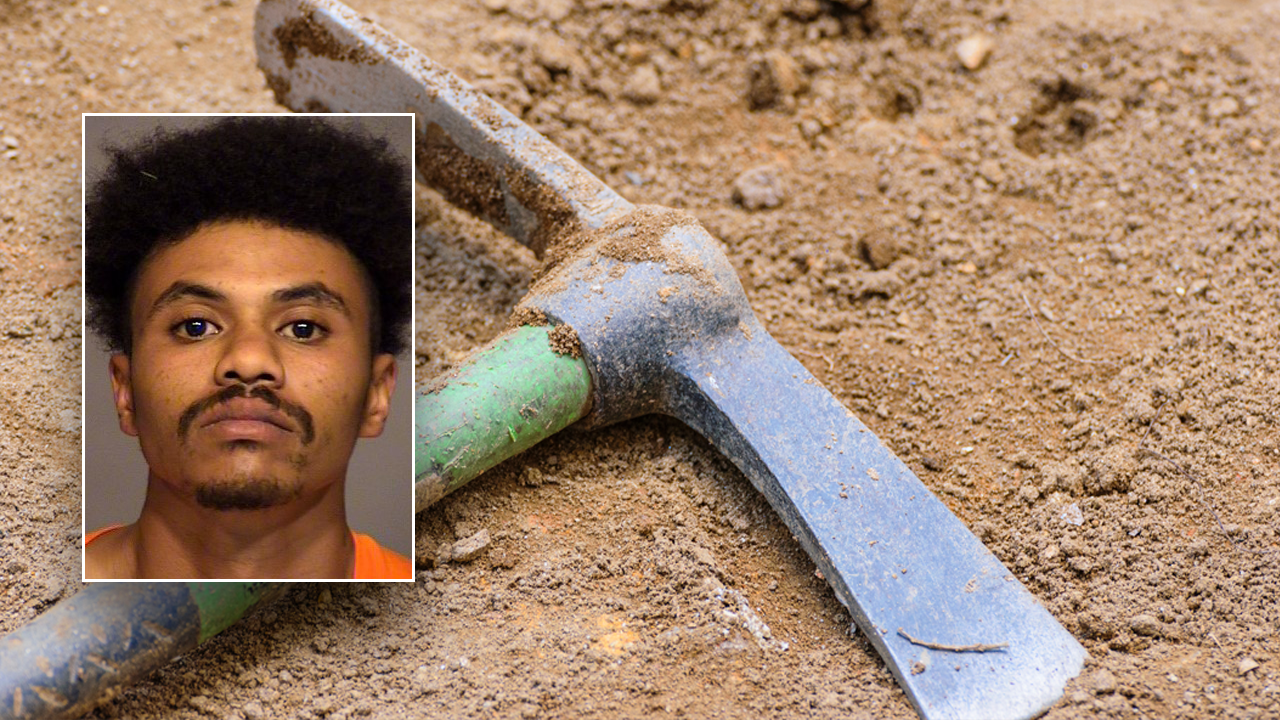
In the quiet suburbs of Newbury Park, California, a family’s world shattered on December 5, 2024, when Zuberi Sharp, a 26-year-old man, attacked and killed his 15-year-old half-brother, Zayde, with a pickaxe. Zayde, who battled cerebral palsy and relied on a wheelchair, was a cherished son and brother whose gentle spirit and indomitable will touched everyone around him. He was not just a statistic; he was a teenager with dreams of independence, laughter that lit up a room, and a quiet determination that inspired his community. Sharp pleaded guilty to second-degree murder and additional charges, including inflicting great bodily injury and targeting a vulnerable victim, receiving a sentence of 15 years to life in prison. This case was no stranger to heartbreak—Zayde’s mother, overwhelmed by grief, had made that frantic 911 call, her voice trembling as she described the horror in their backyard shed. Imagine her despair, raising a child with profound disabilities, only to lose him to violence from within the family. The sentencing, delivered on Tuesday, brought a semblance of justice, but it couldn’t erase the profound loss. Sharp’s admission underscored the brutality: he struck Zayde in the head with a tool meant for digging, turning a space of innocence into a scene of unimaginable cruelty. Zayde’s vulnerability made the act even more monstrous, highlighting how society so often overlooks the everyday heroes like him—those who face physical challenges with grace. His story reminds us of the silent battles many families wage, where love and resilience collide with unexpected darkness. The judge’s decision to spare the family the ordeal of a trial was a small mercy, acknowledging the emotional toll on Zayde’s loved ones. Yet, behind the courtroom drama lay human lives forever altered. Zayde’s aunt, who recounted memories of him at school events, spoke of a boy who defied odds, adapting to his disabilities with a smile that masked daily struggles. His teachers described him as a beacon of hope, participating in adaptive sports and art classes, fostering connections that enriched lives beyond his immediate circle. This tragedy wasn’t just about the loss of a life; it was about the erosion of a family’s trust and the ripple effects on a community that mourned a young soul taken too soon. As news of the sentence spread, neighbors reflected on the idyllic street where it happened—the 400 block of Jeanne Court, lined with palm trees and family homes, now tainted by sorrow. It forced us to confront uncomfortable truths about mental health, family dynamics, and the fragility of life for those who are most defenseless. Zayde wasn’t able to defend himself that night, but his memory now stands as a testament to advocacy for disability rights and support for families in crisis. The case drew parallels to other heartbreaking stories in California, like the recent parolee who reoffended, amplifying fears about the probation system and rehabilitation. In humanizing Zayde, we see him not as a headline, but as a boy who loved video games and family outings, his wheelchair a chariot of strength rather than a limitation. Sharp’s actions obliterated that future, leaving echoes of what could have been. The sentencing came after months of legal proceedings, during which Zayde’s family navigated a sea of grief, attending memorials and sharing photos that captured his infectious joy. One cousin recalled holidays where Zayde, with his quick wit, turned family gatherings into joyous affairs, using assistive devices to communicate freely. His mother’s daily pain was palpable; she spoke of nightmares haunted by the shed’s shadows, where her son’s laughter was silenced forever. This wasn’t just a crime; it was a betrayal from someone who shared their blood, making the healing process infinitely harder. Psychologists might point to complex family histories, but for Zayde’s kin, it was pure anguish. The court’s focus on aggravating factors emphasized the cowardice of targeting someone defenseless, a reminder that violence against the vulnerable erodes the very fabric of humanity. As Sharp faced his punishment, society grappled with questions: How do we prevent such acts? What support systems failed here? Zayde’s story, though tragic, could inspire better mental health resources and family interventions, ensuring no other child faces such a fate. In the end, his spirit endures through tributes and fundraisers for disability awareness, transforming pain into purpose. The judge’s words rang true: accountability was essential, but so was honoring a life cut short. Zayde’s mother, in tearful interviews, vowed to channel her grief into advocacy, honoring her son’s memory by fighting for safer environments for disabled youth. This case, embedded in California’s diverse tapestry, underscores universal themes of loss and resilience, urging us to empathy over judgment.
The Horrifying Details of a Fatal Attack
The night of December 5, 2024, began like any other for the Sharp family on Jeanne Court, but descended into nightmare when Zuberi Sharp’s rage turned deadly. Deputies arrived shortly after 8 p.m., responding to Zayde’s mother’s desperate 911 call—a voice crackling with fear as she begged for help, describing her son as “hurt badly.” Rushing to the backyard shed, Zayde’s uncle heard a sickening thud, only to witness Zuberi standing over his half-brother, pickaxe in hand, in a scene that would haunt him forever. Zayde, the 15-year-old with cerebral palsy, had been struck in the head, his wheelchair-bound body no match for the violent outburst. This wasn’t a stranger’s assault; it was fratricide, a word that chills the soul when applied to a family unit built on shared bonds. The shed, once a humble storage space for yard tools and forgotten bikes, became a locus of trauma, blood-stained and echoing with unanswered screams. Paramedics whisked Zayde to the hospital, but the damage was irreversible—he was pronounced dead shortly after arrival, his short life extinguished in an instant of brutality. Zuberi’s weapon of choice—a pickaxe, that heavy, archaic tool—was symbolic, perhaps, of the primal fury that overtook him, or maybe just the nearest object that escalated an argument gone horribly wrong. Family members later confided that Zuberi had been acting oddly that evening, his behavior erratic and unpredictable, hinting at underlying issues that simmered beneath the surface. To humanize this, picture Zayde in his everyday life: a resourceful teenager who navigated the world with adaptive gadgets, his wheelchair parked by the gaming console in the living room, where he spent hours immersed in virtual worlds. He dreamed of art and music, attending special education programs that celebrated his achievements. That night, perhaps they were bonding over something innocuous—a shared laugh over a meme or a discussion about school—until things spiraled. Zuberi, with his volatile disposition, might have snapped under stress, but the why remains shrouded in mystery. The attack unfolded in mere moments, but the scars it left on witnesses are eternal. Zayde’s uncle, freezing in shock, had to grapple with the helplessness of the scene: his nephew slumped in his chair, life ebbing away, as Zuberi loomed menacingly. This image contrasts sharply with memories of family barbecues, where Zayde was the star, charming everyone with his positive outlook despite mobility challenges. His cousins remembered him as the peacemaker, mediating sibling squabbles with wisdom beyond his years. The shed’s wooden walls, hastily built for storage, now stood as silent witnesses to a betrayal that defied comprehension. In the aftermath, investigators combed the scene for clues, but the pickaxe told a story of raw aggression rather than strategy. Forensic reports detailed the single, fatal blow, underscoring how Zayde’s vulnerability amplified the tragedy—he couldn’t flee or fight back, his body confined by disability and fate. This aspect humanizes him further: he was a boy who adapted, using ramps and voice-activated aids to assert his independence, yet in vulnerability became the target. Zuberi’s actions shattered that autonomy, leaving family members questioning every interaction, every unspoken tension. Was there jealousy at play? Resentment over care responsibilities? Or perhaps a deeper psychological fracture? The incident’s swiftness—no drawn-out struggle, just a brutal moment—highlights the unpredictability of violence within homes. Zayde’s mother, reconstructing the timeline, bitterly reflected on the “what ifs”: if only she had intervened sooner, or if someone had recognized Zuberi’s turmoil. The hospital chaos, with doctors scrambling futilely, painted a grim picture of futile hope. This wasn’t fiction; it was a real family’s agony, amplified by California reports of similar cases, where mental health crises explode into tragedy. Humanizing means acknowledging Zayde’s pain-tolerant life—he endured therapies and surgeries with courage, inspiring others disabled by circumstance. His death wasn’t just physical; it robbed the world of potential contributions, like the art exhibit he was preparing for school. Zuberi’s escape to the nearby high school added layers of drama, but it was the shed’s aftermath that lingered: family reclaiming the space, only to find it forever changed. Society must learn from this—promoting dialogue on mental health, especially in blended families with complex histories. Zayde’s story compels us to see beyond headlines, to the human cost of unspoken pains.
Flight and Capture Amid School Lockdown
As Zayde lay dying in the ambulance, Zuberi Sharp fled, his footsteps a frantic escape into the night, transforming a domestic horror into a community alarm. He was spotted hours later at Newbury Park High School, wandering the football field erratically, his behavior drawing reports from concerned residents who dialed authorities. Student-athletes, mid-practice under the stadium lights, were abruptly locked down as deputies descended, sirens piercing the evening calm. This spillover into public space escalated the tragedy, forcing hundreds of parents into panic, texting anxious updates as lockdowns are an all-too-familiar drill in modern America. Zuberi, apprehended without resistance, embodied a man unraveling—sweaty, disoriented, perhaps still reeling from his actions. His arrest at a place of youthful promise starkly contrasted with Zayde’s gentle world, highlighting fractured family legacies. Humanizing this, envision Zayde’s peers: high schoolers who knew him through inclusive programs, sharing rides or study sessions, viewing him as an equal despite differences. Now, the same school became a backdrop for chaos, forcing those students to grapple with mortality and loss. Zuberi’s journey there—running through suburban streets, evading immediate capture—suggested a mind in turmoil, possibly guided by instinct or delirium. Police bodycam footage later revealed a dazed man, muttering incoherently, painting a portrait of someone not fully in control. This flight was not just evasion; it was a cry for help, albeit belated and destructive. Family members, piecing it together, speculated on manic episodes, drawing from past behaviors where Zuberi seemed gripped by invisible storms. One relative recounted incidents of him withdrawing, isolating himself in rooms filled with brooding silence. Yet, on the field, his presence terrified: imagine athletes pausing drills, coaches shepherding teens indoors, everyone wondering if this intruder was armed or deranged. No weapon was found on Zuberi, but the prior pickaxe assault loomed large, causing heightened alert. Authorities coordinated swiftly, clearing the grounds and ensuring no harm came to students—Zayde’s story, ostensibly completed in the shed, now intersected with young lives uncertain. This incident echoed broader concerns about security in schools, prompting discussions on mental health screenings for students and families. Zuberi’s custody at the scene marked the end of his freedom but initiated a process of accountability. Interrogated, he remained guarded, but evidence mounted: the bloody pickaxe, witness testimonies, and his own flight confessed volumes. His mother, visiting the jail, described him as a son lost to demons she couldn’t name, torn between love and repulsion. Zayde’s absence created voids— his wheel in the garage gathering dust, his room untouched with posters of favorite shows. The high school’s lockdown, lasting hours, allowed time for reflection among students; one friend of Zayde’s texted anonymously about feeling helpless, reflecting the boy’s impact on peers who celebrated abilities over disabilities. This human element underscores the tragedy’s reach, from backyard to bleachers. Zuberi’s arrest, broadcast locally, stirred sympathy for the family unity fractured—siblings mourning a brother gone too soon. Yet, it also elicited outrage over the lockdown’s intrusion into innocent lives. Psychologists analyzing similar cases highlight how untreated conditions like bipolar disorder can lead to explosive acts, urging preventive measures. Zayde’s community rallied with vigils at the school, honking in honor, transforming grief into collective resilience. Zuberi faced charges quickly, his bond high as risk of flight was evident. In court, he pleaded guilty, a move interpreted as taking responsibility but perhaps evading deeper scrutiny. The incident’s ripple effect—school counseling sessions, community meetings—highlighted societal healing. Yet, for Zayde’s family, it was bittersweet; justice came, but not closure. Zuberi’s story, intertwined with place of capture, reminds us of vulnerability everywhere: homes, schools, hearts. Empowering dialog on family mental health could prevent futures like Zayde’s end. His memory persists in scholarships established for disabled youth, a legacy of light from dark. The lockdown’s fear mirrored national anxieties, yet it united in mourning a beloved son, brother, friend. Humanizing means feeling the fear in those students’ hearts, the panic in parents’ texts, paralleling Zayde’s unseen struggles.
Justice Served Amid Unclear Motives
In the Ventura County courtroom on Tuesday, Zuberi Sharp faced Senior Deputy District Attorney David Russell, who articulated the gravity of the case with eloquence, deeming the attack “a violent and senseless act against a vulnerable victim.” Russell’s words encapsulated the prosecution’s view: no excuse justified such brutality, and the sentence—15 years to life—ensured Zuberi would pay dearly for robbing a family of its heart. Yet, motive remained elusive, leaving investigators and relatives in a fog of speculation. Sharp admitted to killing Zayde, pleading guilty to second-degree murder and aggravating factors that painted him as opportunistic and cruel. The DA praised the guilty plea for sparing the family a grueling trial, where graphic details would further traumatize Zayde’s mother and siblings. Humanizing this justice, consider the emotional weight on Russell; as a father himself, prosecuting cases like this stirred personal turmoil, balancing empathy with duty. For Zayde’s kin, the courtroom was cathartic yet agonizing, replaying memories of happier times against Zuberi’s impassive stance. No motive emerged definitively— no theft, old grudge, or financial spat—but family whispers pointed to a manic episode, where rational thought dissolves into chaos. Zuberi’s history hinted at instability: erratic moods, moments of aggression that family overlooked as adolescence. Experts in criminal psychology often cite bipolar complexities, where highs and lows culminate in irreversible acts. If Zuberi was manic, as some believed, it humanizes him not as a monster, but as a man battling unseen demons, perhaps untreated due to stigma or denial. Zayde, ironically, was the stable one—grounding the family with his equanimity, yet falling victim to another’s storm. The sentence, mandated by law, reflected proportionality: a life-altering act merited an extended confinement, giving society breathing room but offering future parole possibilities. Russell’s release emphasized accountability, yet subtly acknowledged rehabilitation’s role, echoing California’s reforms prioritizing justice over vengeance. For Zayde’s mother, witnessing the judge’s gavel stir mixed emotions—relief from Zuberi’s threat, but sorrow over the lost trial that might uncover truths. Relatives hoped for clarity on motive, fueling theories of drug influences or familial resentments, but psychiatrists consulted noted potential dissociative states. This opacity frustrates, as it denies full healing; Zayde’s family deserved explanations, not enigmas. Drawing from similar cases, like the paroled murderer who killed again, it highlights systemic lapses— inadequate mental health support in prisons, rushed releases. Zuberi’s plea, likely advised by counsel to avoid harsher penalties, sparedgraphic testimony but left motives hanging. The DA’s office, contacted for more, deferred to the press release, maintaining a boundary around grief. Humanizing means delving into Russell’s passion for victim’s rights, born from personal losses, driving careers in prosecution. He viewed accidents like this as preventable, advocating therapy mandates for at-risk individuals. Justice, in this context, extended beyond bars; Zuberi faced programming for anger management, potentially mending himself before reentry— though optimism waned given repeat offender parallels. The court’s focus on vulnerability underscored societal protections gaps for disabled citizens, prompting disability advocacy pushes. Zayde’s death catalyzed donations to cerebral palsy foundations, his story amplifying voices long marginalized. Motive’s obscurity mirrors life’s complexities— not all tragedies fit neat narratives; some stem from tangled inner worlds. Zuberi’s sentence, finalized, offered closure, but not erasure; the Sharp family navigated fractured relations, deciding paths forward. Russell’s statement resonated broadly, reminding that senseless acts ripple eternally. In human terms, it urged compassion— for victims’ endurance, offenders’ potential redemption. Zayde’s legacy, etched in law and hearts, inspires protective measures, ensuring no mother relives this nightmare.
The Echoes of Irreplaceable Loss
Zayde’s absence reverberates through his family’s daily rhythms, transforming ordinary moments into poignant reminders of the life stolen on that December night. His mother, now a widow in grief, described the unrelenting pain in an interview with KTLA: “It’s hard. It’s been really hard. Pain every day.” These simple words encapsulate a depth of sorrow that defies full expression, painting a portrait of a woman navigating widowhood’s shadows while mourning her disabled son’s murder. Humanizing her struggle, she was more than a survivor; she was a dedicated caregiver, her days filled with Zayde’s therapies, school drop-offs, and late-night vigils over his well-being. Losing him wasn’t just divorce from a child— it was the dismantling of a purpose, her home echoing with wheelchair creaks and laughter now silenced. Family photos on the mantel, capturing Zayde’s infectious smiles, elicited tears rather than joy, a constant tug at raw wounds. His siblings, equally devastated, found solace in sharing stories: the time Zayde, undeterred by palsy, painted murals from his chair, blending colors with adaptive tools that symbolized defiance against limitation. One sister recounted drawing portraits together, Zayde’s guidance turning art into bonding rituals. Now, those sales became memorials, proceeds funding disability aids. The pain extended to uncles and aunts, who whispered regrets over unnoticed signs— Zuberi’s withdrawal, Zayde’s pleas for peace. Community support emerged, with neighbors organizing meals and fundraisers, compassion buffering isolation. Zayde’s teachers eulogized him as inspirational, his participation in inclusive programs inspiring peers to embrace differences. His wheelchair, once a bridge to the world, now symbolized vulnerability’s fragility.iblings navigated school with Zayde’s ghost, his empty seat in special ed classes evoking collective mourning. This loss rippled into rituals— annual birthday drives for cerebral palsy awareness, where participants rolled in Zayde’s memory, wheels clicking against pavement like heartbeats. His mother channeled grief into advocacy, testifying before legislatures for better mental health resources in blended families. She rejected pity, instead focusing on Zayde’s legacy as a catalyst for change, her daily pain fueling systemic pushes. Neighbors reflected on Jeanne Court’s pre-tragedy tranquility, now a street of whispered sympathies. Holidays magnified heartache, Christmas trees adorned with Zayde’s ornaments, his absence a void no gift filled. Psychological support proved crucial, therapists guiding the family through processing stages, from denial’s numbness to acceptance’s resolve. Yet, mundane tasks triggered sobs— a favorite song on radio conjuring Zayde’s humming voice. Humanizing means acknowledging resilience amid ruin; Zayde’s mother forged ahead, honoring her son’s spirit by mentoring other disabled youth. The pain, ever-present, spurred growth: family therapy sessions mended fractures, fostering dialogues on mental health once taboo. Zayde’s story became narrative nourishment, with memorial books collecting anecdotes, transforming tragedy into testament. Despite suffering, they forged bonds, Zayde’s memory a glue against despair. This endurance echoed national tales of loss, urging empathy toward grieving parents. Zayde’s legacy endured in scholarships, his name immortalized, pain evolving into purpose.र्टaceutical breakthroughsehen his mother’s pain was universal yet unique, a testament to love’s unyielding depth.
Shadows of a Troubled Lineage
Zuberi Sharp’s sentencing cast a long shadow over a family haunted by legacy, as he entered prison as the son of convicted killer Calvin Sharp, who in 2007 murdered a 6-year-old boy with a meat cleaver, pleading guilty and earning life without parole. This paternal history added layers of poignancy and pain, forcing Zayde’s relatives to confront cycles of violence that seemed inescapable. Humanizing Calvin, once a father himself, his descent into madness echoed Zuberi’s outburst, hinting at genetic or environmental curses— perhaps untreated schizophrenia or abyssal depressions that plagued generations. Calvin’s wife, Zuberi’s mother, endured double widowhood: first husband’s incarceration, then son’s lifetime sentence, her household now a tomb of fractured ties. They spoke of Calvin’s once-charming nature, a mechanic who fixed cars and told jokes, but whose inner turmoil manifested destructively. Zuberi, inevitably, grew up in this storm, court records detailing juvenile incidents and familial instability. Neighbors on Jeanne Court whispered about the Sharp men’s predisposition to rage, theories swirling around inherited traits or learned behaviors from a father absent via bars. Fox News Digital’s inquiries to Zuberi’s legal team went unanswered, the Ventura County DA directing to the sentencing release, maintaining silence amid speculation. This opacity frustrated quests for understanding, as motives remained muddled— was Zuberi mirroring Calvin’s madness, or aggravating longstanding tensions? Calvin’s 2007 crime, brutal and inexplicable, involved a neighbor boy, a playmate of Zuberi’s, slain with a kitchen tool, leaving echoes in family lore. Zuberi, raised in this aftermath, perhaps internalized trauma, his mother’s remarriage introducing Zayde, a half-brother symbolizing new starts. Jealousy theories floated; Zuberi, struggling financially post-high school, might have resented caretaking demands. Yet, humanizing demands nuance: Zuberi had redeeming qualities— a job in construction, occasional generosity— but rage eclipsed them. Incarceration separated him from inheritance of woe, though skepticism lingered, given California’s parole challenges. Experts like criminologists drew genetic links to impulsivity, urging early interventions to break cycles. For Zayde’s family, Calvin’s shadow intensified grief, mothers warned of hereditary risks. Advocacy groups, informed by this, pushed family support programs, aiming to prevent tragedies. Zuberi’s life loomed complex— formative years marred by father’s absence, maternal vigilance strained. Court-mandated counseling offered hope for redemption, akin to Calvin’s path if granted. Relatives hoped sentencing spurred change, viewing prison as reset. The Sharp lineage’s tragedy sparked broader dialogues on intergenerational mental health, families seeking therapy to heal rifts. Zayde’s untimely death catalyzed reforms, ensuring no boy faced neglect. Zuberi’s plea underscored acknowledgment, yet sympathieswolves remained guarded. His contractual attorney advised silence, protecting strategical futures. In humanity’s lens, Zuberi embodied pitfalls— potential unrealized, pains untreated. Zayde’s memory countered this, a beacon of light from darkness. The family’s fractured narrative urged compassion, forgiveness tentative, lessons learned. Centuries of prison time stretched Zuberi’s horizon, mirroring father’s fate, while Zayde’s legacy inspired breakthroughs. Societal lessons emerged: embrace support, intervene early, honoring lives like Zayde’s. This tale, tragic yet instructive, called for empathy bridging divides, humanizing in reclamation of dignity from despair.