


The Human Cost of War: Lives Lost in Shadow of Hope
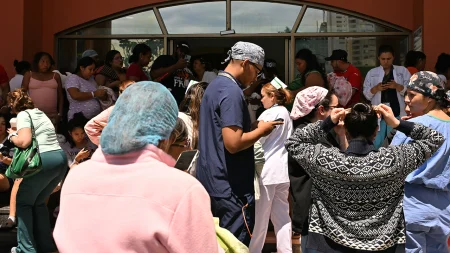
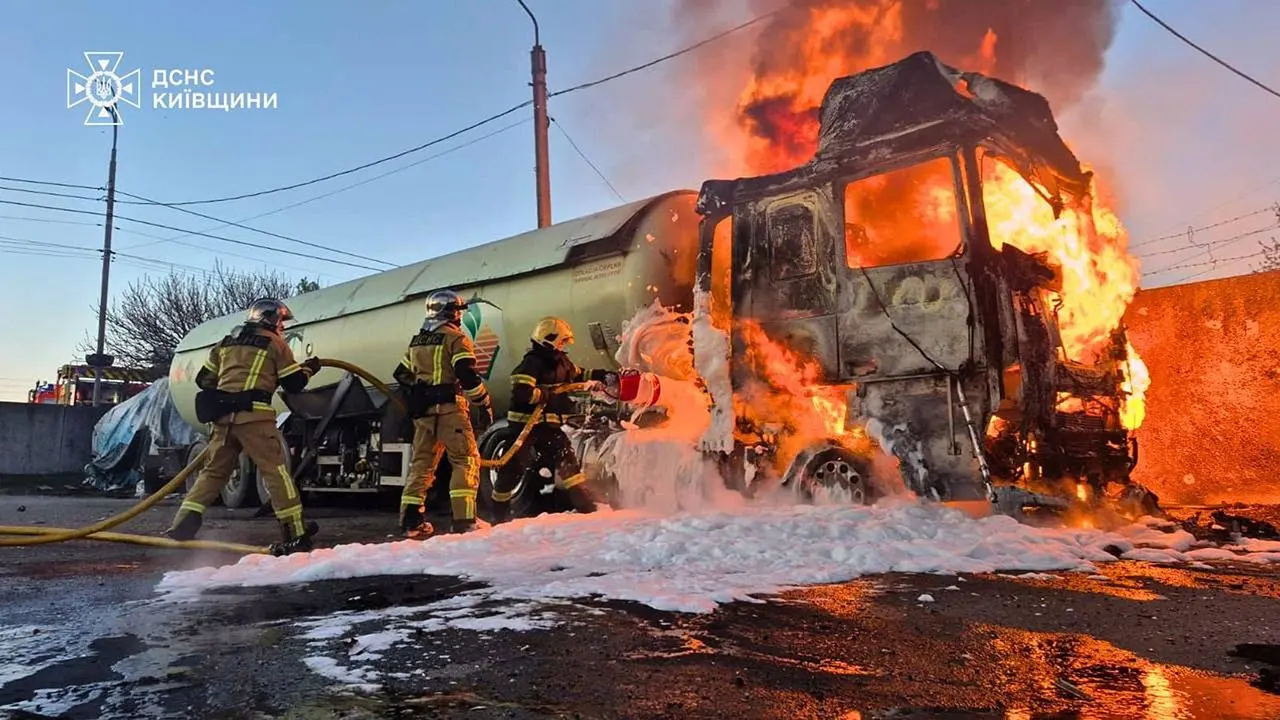
Imagine a Tuesday afternoon in Ukraine, where families are busy with everyday routines—mothers preparing dinner, children laughing at schoolyard games, and workers hustling in bustling cities like Kramatorsk, Zaporizhzhia, and Chernihiv. Suddenly, the sky darkens with the ominous hum of Russian glide bombs, dropping like ruthless predators on these urban centers. In Kramatorsk, a bustling hub for those fleeing conflict, a family gathering in their small apartment is shattered; the father pulls his daughter close as the building trembles, but the explosion claims lives indiscriminately. Across town, an elderly woman tends her garden, unaware that a stray shard of metal will end her quiet afternoon forever. By day’s end, at least 17 civilians lie dead, their stories of resilience now marked by blood and debris, with 45 more wounded—some with limbs mangled, others struggling for breath in overrun hospitals. It’s a stark reminder that war isn’t just headlines; it’s the erasure of futures, dreams deferred for ordinary people in their golden years or prime. Night brings no respite, as overnight attacks fan out, claiming five more souls and leaving 39 injured, the toll rising to 22 dead and over 80 wounded in total. These aren’t numbers; they’re fathers, mothers, friends—each loss a chasm in a community already scarred by two years of relentless aggression. Walking through the aftermath, volunteers search ruins for survivors, their faces etched with grief and determination, whispering prayers for the unscathed. The air hangs heavy with the acrid smell of explosives, mingling with the cries of ambulances racing to makeshift clinics. Broken glass litters streets once filled with laughter and commerce, now echoing the hollow footsteps of those mourning loved ones. Residents huddle in basements, sharing stories of the pre-war days to cope, while aid workers distribute water and bandages, their own fears masked behind unwavering compassion. This isn’t just destruction; it’s a theft of humanity, a cruel twist in a conflict that pulses with unmet aspirations for peace.
Zelenskyy’s Plea: A Leader’s Bitter Reflection
In the midst of this carnage, Ukrainian President Volodymyr Zelenskyy takes to social media, his words raw and unfiltered on X, denouncing what he calls “absolute cynicism.” Picture him, a former comedian turned wartime president, pausing from urgent calls to generals and diplomats to pen these thoughts. “To demand silence for holding propagandistic celebrations and then deliver such missile and drone strikes on all the days leading up to it,” he writes, his fingers likely trembling with a mix of anger and sorrow. Zelenskyy, known for his powerful speeches in military fatigues, evokes the hypocrisy of Russia timing these assaults just hours before Kyiv’s planned ceasefire—a fragile olive branch extended despite the chaos. He humanizes the tragedy by pointing out Russia’s ability to end it all: “Every day, Russia could cease fire, and that would stop the war and our responses.” These aren’t just political statements; they’re the outpouring of a man who’s seen comrades fall, cities crumble, and civilians bear the brunt. Zelenskyy imagines future generations asking why their fathers fought in vain, why peace was always one step away but never grasped. He urges “peace is needed, and real steps are required for it,” pledging Ukraine’s reciprocity—”we will act in kind.” Behind the screen, advisors nod, recalling impromptu press conferences where Zelenskyy, ever the communicator, blends pathos with resolve, his green army jacket symbolizing both defiance and weariness. Families watching from their darkened homes find solace in his voice, a beacon amidst despair, as he reminds them that their endurance isn’t futile. The president reflects on global apathy, how world leaders sip coffee in safe offices while Ukrainians dodge drones, their lives hanging by threads. Zelenskyy’s post goes viral, not just as outrage but as empathy, bridging the divide between frontlines and armchair observers. He speaks of broken promises and squandered chances, his personal story of rising from obscurity mirroring Ukraine’s fight for dignity. In quiet moments, Zelenskyy might gaze at a photo of his wife and children, wondering if tomorrow brings another assault or the whisper of truce. This plea transcends policy; it’s a heartfelt cry for humanity to recognize the war’s true face—innocent blood staining the path to uncertain victory.
Russia’s Unilateral Gambit: A Ceasefire with Strings
As the strikes fade into analysis, Russia announces its own unilateral ceasefire over the weekend, a holiday reprieve tied to Victory Day on May 9. Envisioned by Russia’s Defense Ministry, this pause aims to honor the Soviet triumph over Nazi Germany, a day etched in Russia’s collective memory with parades of tanks and veterans donning medals. But it’s not unconditional; Moscow warns of retaliation if Ukraine “disrupts” these events, a veiled threat that hardens distrust. Military officials in sterile briefing rooms, surrounded by maps dotted with Ukrainian targets, proclaim the ceasefire with pride, yet their eyedistance the war-weary public. Ordinary Russians, from grandmothers in Volgograd recalling their grandfathers’ tales to young conscripts questioning the glory, see it as a paradox—a chance for peace marred by aggression. Earlier that week, in a geste of goodwill, Kyiv had floated its ceasefire proposal, only for Russian orchestras to symphony of bombs instead. The ministry’s statement reads like a chess move, calculated to showcase Russia’s magnanimity while holding the upper hand. Diplomats in Moscow’s gilded halls, sipping tea from porcelain cups, discuss the optics: how the world watches, how history judges. Yet, beneath the rhetoric, families grapple with the reality—sons on the front who might catch a breather, but at what cost to credibility? Russian media echoes patriotic fervor, portraying the ceasefire as a heroic gesture, but skeptics whisper of propaganda’s grip. A veteran, medals clinking as he walks Victory Day’s planned route, recalls past truces that crumbled like sand castles under waves of fire. This announcement stirs emotions: hope for the tired, cynicism for the wise. Drivers refuel at gas stations, chatting about the rumored peace, while soldiers clean weapons in muddy trenches, their thoughts drifting to homecomings that feel impossibly distant. It’s a reminder that wars are fought by humans, each with stories of love, loss, and longing for normalcy.
The UN’s Call for Humanity: A Beacon in the Fog
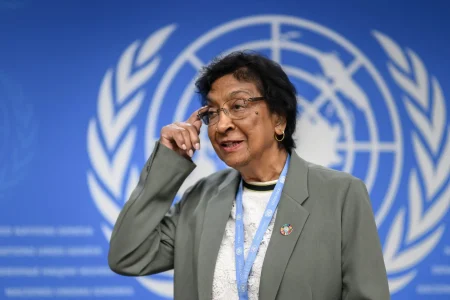
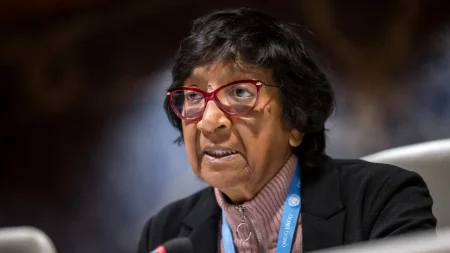
Amid escalating tensions, the United Nations steps in, its voice a steady drumbeat for de-escalation. Secretary-General António Guterres, from his corner office overlooking a world in turmoil, urges “a full, immediate, unconditional and lasting ceasefire,” aligning with the U.N. Charter and international law. Imagine him drafting these words with the weight of global crises on his shoulders, from famine in distant lands to refugees flooding borders. “Leading to a just, comprehensive, and sustainable peace,” he added, per Associated Press reports, envisioning a future where children play without fear of sirens and mothers sleep soundly. Guterres, a seasoned diplomat with a history of mediating conflicts, understands the human toll—famines averted or not, lives saved through dialogue. His appeal isn’t bureaucratic jargon; it’s a plea to conscience, calling out the absurdity of victory parades while lives are extinguished. U.N. workers on the ground in Ukraine, distributing humanitarian aid under fire, nod in agreement, their boots muddied and spirits tested. Family reunions happen, or don’t, based on these diplomatic nudges. Guterres travels vividly: a Syrian civil war veteran shares tales of survival, now guiding aid convoys; a Ukrainian teacher describes lost students, their futures stolen. The secretary-general’s statements ripple through international forums, where delegates debate endlessly, their suits crisp as they argue the nuances of justice. Yet, for civilians, it’s about the simplicity of survival—breathing air untainted by smoke, gathering for celebrations without ducking for cover. Victory Day, once a symbol of triumph, now begs questions of what true victory means. Guterres humanizes the crisis by spotlighting the ordinary: a farmer tilling soil laced with unexploded ordnance, a doctor stitching wounds under dim lights. His call echoes Zelenskyy’s, bridging divides, urging nations to choose empathy over enmity. In this web of bureaucracy, individuals push for change, their stories fueling resolutions that might one day end the cycle.
Echoes of Failed Truces: Lessons from Bitter History
Diving deeper, this isn’t the first dance with false accords. Russia has announced short holiday cessations before, like the Orthodox Easter pause, but trust evaporated like morning mist. During that fleeting truce, Ukraine’s military logged over 2,200 violations—shelling that rocked villages, assaults that displaced families, drones buzzing like relentless bees. Imagine a young border guard, eyes bloodshot from sleepless nights, documenting each incursion with a weary hand, knowing it prolongs the agony. On Moscow’s end, officials accused Kyiv of nearly 2,000 breaches, including strikes in regions injuring civilians, painting Ukraine as the aggressor in state media broadcasts. Veterans from Cold War-era conflicts shake their heads, muttering about déjà vu in power rooms. For ordinary folk, these truces tease hope only to crush it—a couple postponing a wedding due to fresh bombardments, a musician pausing violin lessons for artillery cover. Stories abound: a grandmother in Kherson recounts hiding grandkids during Easter’s “peace,” only for the night to erupt in flames. Soldiers share foxholes tales of camaraderie shattered by mistrust, their letters home tinged with disillusionment. This pattern erodes morale, turning hopes into hardened resolve. Activists document violations meticlessly, their reports spotlighting the human error—commanders misjudging, factions exploiting weaknesses. It’s a cycle of war, where holidays meant for reflection become battlegrounds. Communities rebuild only to be razed again, artisans crafting memorials that whisper forgotten grievances. The failures highlight systemic problems: no verification mechanisms, no neutral observers, just words against wills. Yet, from this history springs resilience; volunteers forge networks, sharing intelligence to prevent escalation. Families gather in safe houses, swapping anecdotes that blend humor with heartache, reminding each other that survival demands ingenuity. These past truces, while unproductive for peace, educate the world on the fragility of negotiations, urging future efforts to prioritize genuineness over spectacle.
A Path to Lasting Calm: Dreams of Tomorrow’s Ukrainians
As the dust settles from Tuesday’s horrors, the overarching message reverberates: peace is possible, but it demands genuine commitment from all sides. Evoke a Ukraine unscarred by war—children biking through parks reclaimed from ruins, farmers harvesting fields without mines, artists painting sunsets uninterrupted by alarms. Zelenskyy’s vision of Russia ending the war “at any time” resonates as a call to action, echoed by Guterres’s plea for unconditional ceasefire. Ordinary people, from bomb-ravaged cities to distant capitals, yearn for this reality, where diplomats negotiate not on battlefields but in peaceful forums. Parents hug their kids tighter tonight, dreaming of schools reopening safely, where math lessons outshine mantra of mortality. Communities, now scattered, imagine reunions at bustling markets, selling handcrafted goods without black-market fears. Russia’s holiday truce, if honored, could be a first step, but history cautions skepticism—thus the need for transparency, for monitors scattered like seeds in fertile soil. Heroes emerge: aid workers risking limbs, journalists capturing truths in pixels and ink, leaders like Zelenskyy channeling collective grief into global advocacy. This conflict’s human arc—cycles of violence broken by hope—teaches that resolutions start in hearts, not halls. Families sharing meals in shelters pass down stories of endurance, inspiring future generations to prosecute peace zealously. As Victory Day approaches, let it signify not just past wins but future tranquility, where Ukrainians and Russians, bound by shared histories, forge alliances over enmities. Aid flows freely, rebuilding what bombs took, with international goodwill paving roads home. In the end, these strikes underscore war’s futility; they human demand change, compelling leaders to choose dialogue’s light over shadow’s bomb. The 22 lost lives cry out for justice, their legacies urging a world where such tragedies are relics, replaced by unbreakable bonds of humanity.