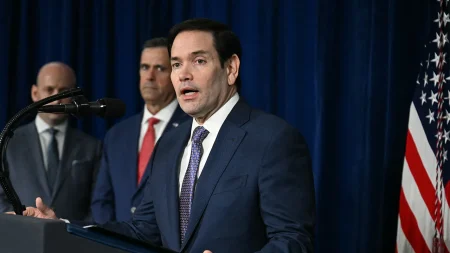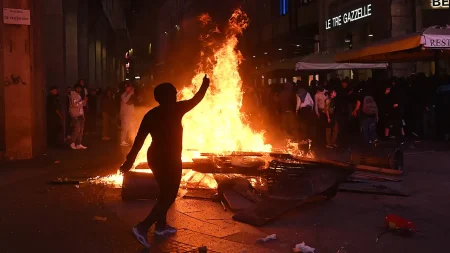


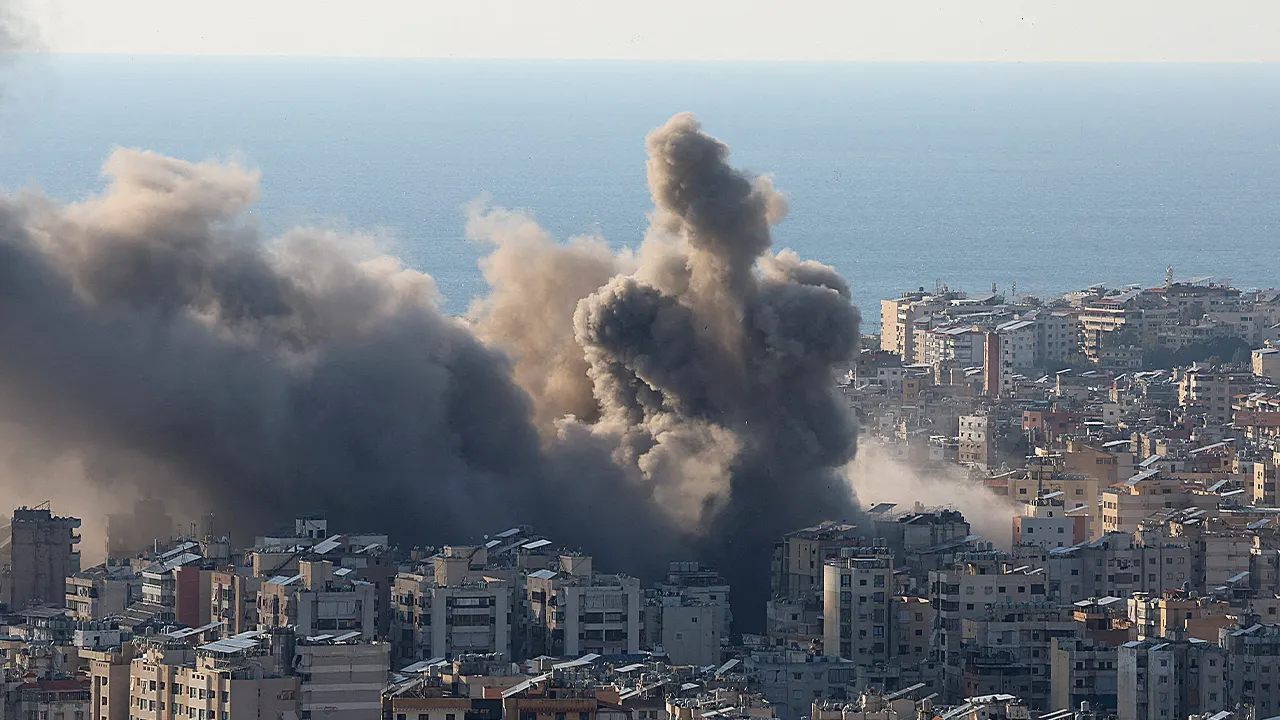
Inside the quiet, wood-paneled corridors of the Pentagon, far removed from the smoke and violence of the Levant, a historic transformation is quietly unfolding as military delegations from Israel and Lebanon sit directly across from one another. This new, U.S.-brokered security coordination track represents a profound shift away from the grandstanding of public diplomacy toward the practical, survival-driven realities of direct military-to-military engagement. For decades, these two neighboring nations have communicated primarily through the devastating language of artillery fire, air strikes, and rocket barrages, leaving communities on both sides of the border trapped in a permanent cycle of fear, grief, and displacement. Now, under the watchful eye of American mediators, senior officers who have spent their entire careers viewing each other through target optics are sitting at the same table, tasked with the monumental human burden of preventing a renewed escalation and shoring up an incredibly fragile ceasefire originally reached in mid-April. The State Department has emphasized that a lasting peace can only be secured when sovereign governments speak directly to one another, and this meeting marks the first real test of that philosophy on a strictly military level. Represented by figures like Lebanese Armed Forces General Rodolphe Haykal, who has spent years navigating the highly volatile, heavily armed terrain of southern Lebanon, the talks offer a rare sliver of hope. The agenda is as complex as it is urgent, targeting the immediate, practical enforcement of the ceasefire, the stable withdrawal of Israeli Defense Forces from southern Lebanese territory, and the ultimate establishment of actual state authority along the border. By stripping away the grand political theater that so often derails Middle Eastern peace initiatives, these discussions focus entirely on the tangible, operational steps required to keep soldiers from pulling their triggers and to secure a future where families on both sides can sleep without the fear of sirens.
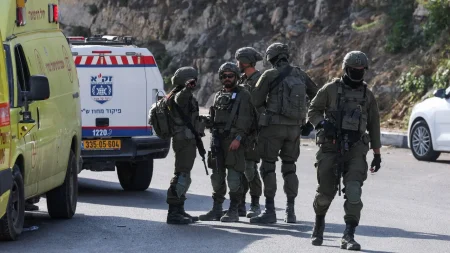
The primary catalyst for these high-stakes discussions is the survival of a fragile ceasefire agreement that was recently extended on May 15 for an additional forty-five days, placing a relentless countdown clock on both delegations to prove that progress is possible. While the intensity of large-scale combat has diminished since the peak of the broader regional conflict, the daily reality on the ground remains incredibly tense and inherently dangerous, with Israeli forces continuing to occupy tactical positions inside southern Lebanon and Hezbollah maintaining its lethal arsenal of drones, rockets, and hidden tunnel infrastructure. For the families living along the scarred borderlands, this uneasy quiet is not true peace; it is a breathless, anxious pause filled with the constant, agonizing low-level hum of surveillance aircraft overhead and the ever-present threat of sudden devastation. The military leaders gathered in Washington are trying to convert this temporary pause into something durable and structural, focusing heavily on defining the exact role of the Lebanese Armed Forces in maintaining sovereign border security. The ultimate ambition is to place the Lebanese national military in exclusive charge of the southern frontier, displacing non-state actors and providing a legitimate, internationally recognized security partner for Israel to coordinate with. However, implementing this transition is an immense logistical and physical nightmare, requiring highly precise coordinates for Israeli troop withdrawals, established emergency lines of communication to prevent accidental clashes, and a massive, rapid deployment of Lebanese soldiers into border towns that have been heavily damaged by months of intense artillery fire. Every day that passes without a concrete agreement increases the danger that a single miscalculation on the ground could reignite a full-scale conflagration, making the countdown toward the expiration of the current extension a matter of survival for countless civilians who wish for nothing more than to return to their homes.
Hovering over these high-stakes talks, however, is a profound and terrifying question that has haunted the state of Lebanon for generations: can the central government realistically disarm Hezbollah without plunging the entire country into a bloody, ruinous civil war? Historically, the Lebanese state has operated under a fragile, delicate sectarian balance, and the Lebanese Armed Forces are deeply wary of initiating a direct military confrontation with Hezbollah, an organization that is not only a heavily armed, Iran-backed militia but also a powerful political and social force with deep roots in the nation’s Shiite populace. Analysts like Ahmed Sharawi have pointed out the glaring, painful discrepancies between international diplomatic demands and the stark realities on the ground, noting that since the ceasefire agreement was reached, the Lebanese state has yet to confiscate a single bullet from Hezbollah’s vast, sophisticated arsenal. For Lebanese leaders, the fear of an internal sectarian collapse is an incredibly real, paralyzing factor, as any clumsy attempt to forcibly disarm the group could cause the national army itself to fracture along sectarian lines, dragging the vulnerable country back into the dark ages of bloody internal strife. This agonizing domestic gridlock means that while Lebanese military representatives must project a cooperative, sovereign image in Washington, they are hyper-aware that pushing too hard against Hezbollah’s armed wing could instantly set Beirut ablaze. Ordinary Lebanese citizens are thus caught in a devastating and tragic double bind, enduring the absolute economic catastrophe of a failing state, the physical destruction of their towns by border conflicts, and the constant threat of foreign invasion, all while knowing that their own national army is politically and militarily paralyzed from removing the dominant, heavily armed militia that repeatedly draws devastating military strikes down upon them.
On the other side of the negotiating table, the state of Israel is operating under its own intense domestic pressure cooker, where a weary, highly traumatized public is demanding absolute security and the permanent removal of hostile threats from their northern border. Tens of thousands of Israeli civilians have been evacuated from their homes in the Galilee for months on end, living as internally displaced refugees in temporary accommodations, a situation that has created a massive, unsustainable political crisis for Prime Minister Benjamin Netanyahu. Confronted by severe domestic criticism from political rivals and frustrated citizens who accuse the government of settling for containment rather than achieving a decisive military victory, Netanyahu has adopted a highly aggressive dual posture, authorizing these Pentagon-mediated talks while simultaneously executing relentless military operations. Even as his military delegations discussed security coordination in Washington, Netanyahu made a highly publicized visit to the northern front, declaring to the press and public that Israeli forces had successfully crossed the Litani River and were striking Hezbollah targets hard in Beirut, the Bekaa Valley, and across the entire active theater. This continuous military pressure is designed to show that Israel will not allow the diplomatic process to serve as a shielding mechanism for Hezbollah to quietly regroup, rearm, or rebuild its launch pads. According to veteran Israeli security experts like Yossi Kuperwasser, these talks are less about achieving an immediate, miraculous diplomatic breakthrough and more about sending an unmistakable strategic signal directly to Hezbollah and its backers in Tehran. By sitting down directly with Lebanese military officials, Israel is demonstrating a willingness to build a sovereign-to-sovereign relationship that completely bypasses the armed militia, signaling to the world—and to a Lebanese public increasingly angry at the suffering brought upon them by Hezbollah’s actions—that a future of normalization is possible.
This direct military coordination track also reflects a broader, highly ambitious geopolitical strategy engineered by the United States, with the Trump administration actively pushing to fundamentally reshape the security architecture of the entire Middle East. American policymakers and security officials view the current moment as a historic, once-in-a-generation window of opportunity to break the chokehold of Iranian-backed proxy networks in the Levant, capitalizing on the reality that Hezbollah has been significantly weakened both militarily and politically by the relentless conflict. The systematic disruption of their command structures, the destruction of their weapon depots, and the tragic displacement of hundreds of thousands of Lebanese civilians have severely damaged Hezbollah’s carefully cultivated image as the heroic, indispensable defender of Lebanon, leaving many ordinary citizens openly blaming the militant group for the absolute economic ruin and physical destruction of their sovereign homeland. The United States is attempting to leverage this growing internal domestic dissatisfaction, using these high-level Pentagon meetings to bolster the legitimacy, training, and international backing of the Lebanese Armed Forces as the sole rightful defenders of national territory. By fostering direct, face-to-face communication between the two sovereign militaries, American diplomats hope to lay the robust groundwork for a comprehensive peace agreement that could eventually pave the way toward formal normalization between Israel and Lebanon, a historic development that would fundamentally dismantle Iran’s strategic regional influence. This complex geopolitical chess game is not just about moving military units on a map or enforcing sterile border coordinates; it is about offering the exhausted people of both nations a tangible, human alternative to perpetual warfare, demonstrating that a stable future guaranteed by sovereign state accountability is vastly superior to a chaotic status quo dictated by armed militias.
Ultimately, the path forward from these historic talks remains paved with immense uncertainty, as both military delegations must navigate a minefield of deep-seated historical animosities, domestic political fears, and the cold, ongoing reality of military operations on the ground. The heavy silence radiating from the Israeli and Lebanese embassies in Washington in the immediate wake of these initial meetings perfectly underscores the incredibly delicate, high-stakes nature of these proceedings, where a single misplaced statement or premature leak could destroy the fragile progress achieved behind closed doors. Yet, beneath the strategic signaling, the complex diplomatic maneuvering, and the grand geopolitical calculations lies a simple, universal human yearning for a normal life that quietly unites the ordinary civilians on both sides of this dangerous border. It is the profound weight of this shared humanity that drives the process forward—the hope of the Israeli farmer in the north who wishes to return to his ancestral olive groves without the constant threat of anti-tank missiles, and the dream of the southern Lebanese mother who wants to rebuild her home and raise her children in a peaceful neighborhood free from the shadow of active militant bases and retaliatory airstrikes. While military analysts and regional cynics will continue to point out the nearly insurmountable obstacles to disarming Hezbollah and the persistent, structural weakness of the Lebanese state, the simple fact that these military officers are sitting in the same room in Washington represents a vital, fragile spark of dialogue in a region too often defined by fire. It serves as a powerful reminder that even in the darkest, most complicated moments of geopolitical conflict, the challenging, slow work of direct communication remains the only viable bridge away from catastrophe and toward a future of genuine, lasting security.