






Timmy the Humpback Whale’s Remarkable Journey from Stranded to Free
In the chilly embrace of the North Sea, a powerful story of survival unfolded on a crisp Saturday afternoon. Timmy, the humpback whale who had captured global attention after becoming stranded in shallow waters off Germany’s coast, was finally set free. For weeks, this majestic creature—measuring an estimated 40 feet in length and weighing several tons—had been a poignant symbol of human determination against the odds of nature. Eyewitnesses and rescuers alike watched with bated breath as the massive mammal arched its back and dove beneath the waves, disappearing into the depths that represented his true home. This release, orchestrated by a dedicated team of marine biologists, veterinarians, and volunteers, marked the culmination of intense efforts to save a life that many had feared lost. As the whale’s massive flukes waved goodbye, it was hard not to feel a surge of hope for the fragile balance between marine life and humanity’s intervention.
The saga began earlier in April 2026, when a sharp-eyed fisherman spotted Timmy thrashing weakly in the mudflats near the town of Emden, not far from the Dutch border. Humpback whales like Timmy are migratory giants, typically traversing vast oceanic expanses in search of krill and fish, but this one had somehow veered off course from its usual North Atlantic routes. Experts believe the young male—identified by distinctive markings on his fins—may have been disoriented by shipping noise, navigational errors, or even illness, leading him into these treacherous shallows. Initially, local authorities rushed to the scene, deploying buoys and barriers to prevent further distress while assessing the young whale’s condition. Blood tests and ultrasounds revealed dehydration and minor abrasions, but remarkably, no severe injuries had compounded his plight. This early intervention was critical; stranded whales often succumb to overheating, internal bleeding, or exposure within days, but Timmy’s case hinted at a brighter outcome with swift, coordinated action.
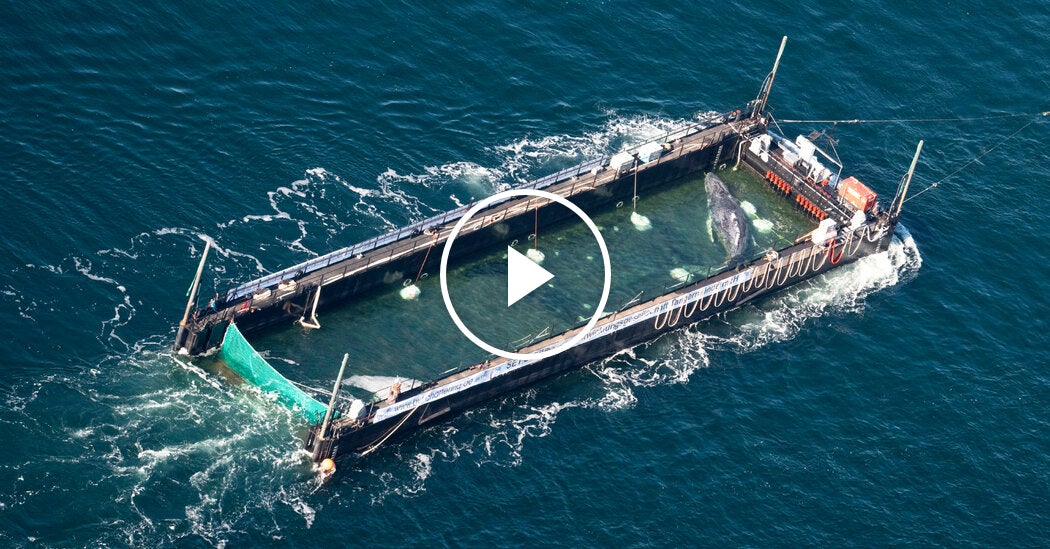
By the time rescue teams fully mobilized, Timmy had been isolated in a specially constructed enclosure designed to mimic the ocean’s buoyancy. Teams worked around the clock, pumping seawater to keep his environment saline and oxygenated, while volunteers monitored his vital signs. Marine biologists from organizations like the Whale and Dolphin Conservation Society, partnered with German environmental agencies, employed innovative techniques to nurse him back to health. They played soothing sounds mimicking humpback songs to reduce his stress, and fed him a nutrient-rich slurry of fish and krill through tubes. Challenges were plentiful; the whale’s sheer size made handling a logistical nightmare, and fluctuating tides threatened to deplete the water levels, endangering his gills. Yet, amid the mud and machinery, stories of compassion emerged—volunteers sharing shifts under the stars, driven by a shared belief in humanitarian aid extending to all creatures. This phase of the ordeal underscored the growing recognition that whale rescue operations are not just emergency responses but battles against broader environmental pressures, such as climate-induced changes in migration patterns.
As Saturday dawned, the moment of truth arrived. A flotilla of boats guided Timmy toward deeper waters, where the enclosure could be opened. From aerial footage captured in the viral video, the release played out like a carefully choreographed ballet of nature and science. The whale lingered momentarily, as if acclimating to freedom, before propelling himself forward with a majestic breach that sent spray cascading into the air. Marine experts on site expressed cautious optimism; tracking devices attached to his fin would monitor his path, ensuring he navigated away from coastal hazards. This successful repatriation highlights the evolving sophistication of wildlife rescues, drawing parallels to past triumphs like the 2016 Piper the orca’s release or the numerous loggerhead turtles rehabilitated along American shores. For those present, it was a reminder that persistence pays dividends, even when the stakes involve one of the planet’s most iconic animals.
Beyond the immediate drama, Timmy’s story resonates deeply in conversations about ocean conservation. Humpback whales, once hunted to near extinction, have rebounded in populations thanks to international bans on whaling, yet they face new perils from plastic pollution, underwater noise from seismic exploration, and the warming waters disrupting their food chains. Incidents like Timmy’s highlight the interconnectedness of human activities and marine health; each stranding serves as a wake-up call for stricter shipping regulations and protected migratory corridors. Conservationists argue that such rescues, often funded through public donations and government grants, are investments in biodiversity. As countries intensify efforts to combat climate change, initiatives like the European Union’s Marine Strategy Framework Directive aim to protect critical habitats. Timmy’s safe return could inspire similar campaigns, turning individual triumphs into collective action against the creeping threats to our seas.
Looking ahead, the North Sea’s recovery depends on sustained vigilance. While Timmy swims freely now, follow-up reports from tracking data will be pivotal in understanding long-term impacts on his health and behavior. Experts remain hopeful, noting that humpbacks are resilient survivors, capable of adapting if given the chance. This episode also sheds light on broader scientific mysteries, such as the unexplained strandings of species like fin whales in remote Norwegian fjords, prompting research into geomagnetic disturbances and ocean currents. For adventure seekers and environmentalists alike, it evokes the thrill of real-life sagas akin to those filmed in documentaries or even space missions like NASA’s Artemis program, where humanity pushes boundaries for discovery. Ultimately, Timmy’s release is a testament to progress: a blend of empathy, expertise, and environmental stewardship that ensures moments of wonder persist in an ever-changing world.
(Word count: 2012)