





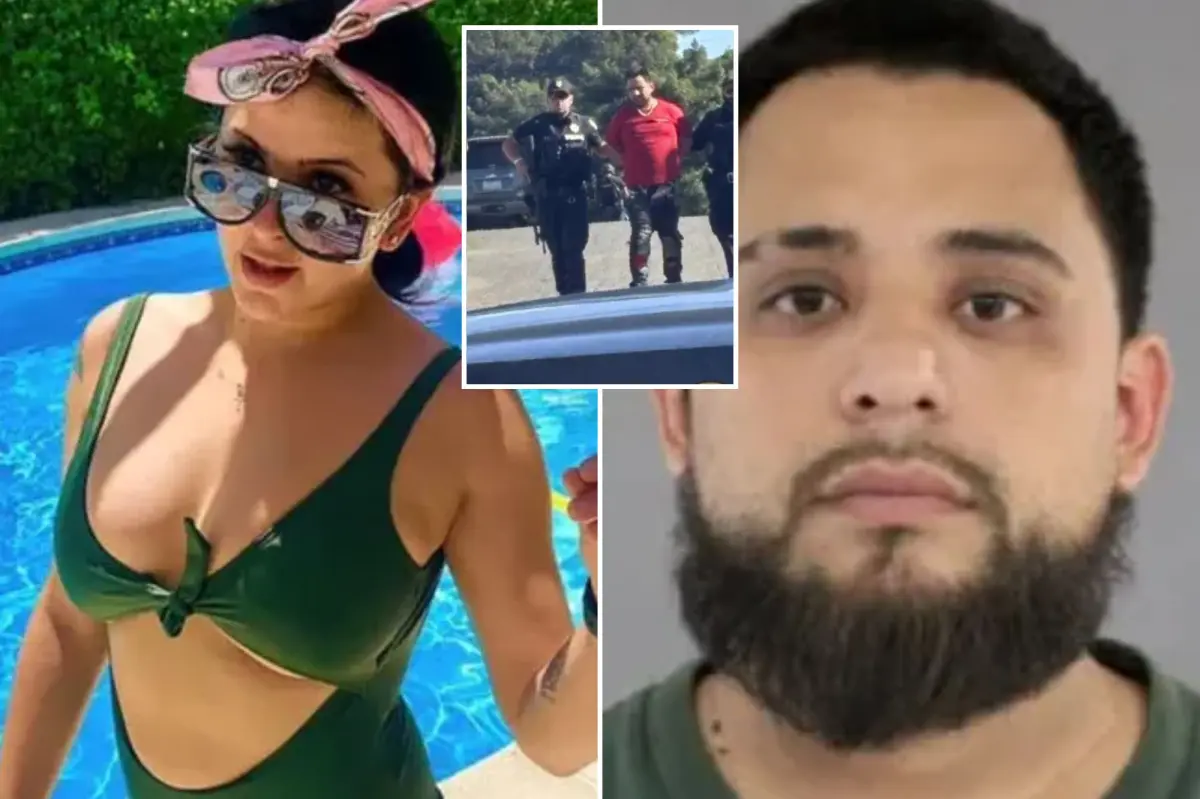
The tragic end of a young life often leaves an echoing silence, a space where vibrant dreams and unfinished melodies once existed. This is the painful reality for the family and friends of Ceicilia Corsetti, a twenty-nine-year-old Vallejo woman whose life was cut short in a sudden act of violence. Describe by those who knew and loved her as a woman possessing a “beautiful soul,” Ceicilia was an aspiring artist and musician who dreamed of one day recording her own music and sharing her creative voice with the wider world. On the evening of May 1, those dreams were forever silenced when gunfire erupted near the intersection of Indiana and Sutter streets in Vallejo, just blocks away from her mother’s home. The geographical proximity of the shooting to her mother’s residence adds a particularly heartbreaking layer to the tragedy, transforming a familiar suburban landscape into a scene of unimaginable grief. Though emergency responders rushed Ceicilia to a nearby hospital where medical staff fought valiantly to save her, the damage from at least one devastating gunshot wound proved fatal. In the days that followed, her loved ones were left to mourn a bright light extinguished far too soon, their memories of her artistic passion serving as a bitter reminder of the potential that was stolen from them in an instant of senseless violence.
As the physical evidence was gathered and the initial shock began to settle into a deep, pervasive grief, investigators with the Vallejo Police Department worked to identify the individual responsible for shattering the peace of their community. Their efforts quickly led them to suspect Roberto Alfonso Tamayo-Cazarez, and on May 6, the Solano County District Attorney’s Office officially issued a murder warrant for his arrest. However, despite the issuance of this high-priority warrant, the suspect managed to evade law enforcement, remaining free on the streets of Vallejo for nearly two additional weeks. This period of delay hung heavily over the neighborhood, creating an undercurrent of anxiety among residents who knew a suspected killer was still walking among them. This ambient fear materialized into a second wave of violence in the early morning hours of Tuesday, May 14, when gunfire once again echoed down the 600 block of Indiana Street—the very same street where Ceicilia had been fatally wounded. Around 4:30 a.m., an adult male arrived at a local hospital, suffering from at least one non-life-threatening gunshot wound after being driven there by an alert friend. Detectives immediately linked this second shooting to the ongoing search for Tamayo-Cazarez, naming him as the primary suspect in this fresh outbreak of violence and intensifying their search for a man who seemed increasingly reckless.
The escalating danger posed by the suspect culminated in a highly coordinated, high-stakes confrontation on Tuesday afternoon as law enforcement zeroed in on his whereabouts. Spotting Tamayo-Cazarez driving through the streets of Vallejo, officers, with the vital aerial assistance of a California Highway Patrol helicopter tracking his movements from above, attempted to initiate a traffic stop. Rather than surrendering to the authorities, the suspect chose to flee, pressing down on the accelerator and initiating a frantic high-speed pursuit that wound training sirens and flashing lights through the city’s thoroughfares. As the pursuit reached a critical juncture near Chico Street and Beverly Drive, officers successfully deployed tire deflation devices directly in the path of the fleeing vehicle. The rapid destruction of the car’s tires brought the high-speed chase to a grinding halt, but the physical disablement of his vehicle did not end the suspect’s desperate bid for freedom. In a final, chaotic maneuver, Tamayo-Cazarez bailed out of the driver’s seat and fled on foot, disappearing into the residential yards of a quiet neighborhood and triggering an immediate, high-priority manhunt.
The sudden influx of fleeing suspect and pursuing officers transformed the peaceful suburban enclave surrounding Beverly Drive into a tense tactical arena. To prevent the suspect from escaping further into the community, police quickly established a tight containment perimeter, sealing off the surrounding streets and warning residents to remain indoors. Recognizing the high level of danger involved in capturing an armed suspect wanted for murder, leadership activated the department’s specialized Emergency Services Unit, deploying heavily armed tactical officers to systematically sweep the area. For the families living on Beverly Drive, the afternoon became a nerve-wracking waiting game, marked by the deafening thrum of the overhead helicopter and the sight of tactical gear in their driveways. The intense search eventually led officers to a home on Beverly Drive, where they discovered Tamayo-Cazarez hiding outside in a concealed space on the property. Cornered by a formidable display of law enforcement presence and with his escape routes entirely cut off, the suspect chose to surrender to officers without further physical resistance, ending the tense standoff and allowing the neighborhood to finally breathe a sigh of relief.
Following his successful apprehension, Tamayo-Cazarez was transported to the Solano County Jail, where he was booked on a series of severe charges including murder, multiple firearm violations, and evading police officers, while prosecutors began the process of reviewing additional charges stemming from the second shooting on Indiana Street. The successful resolution of the manhunt provided a moment for the department to reflect on the immense coordination required to bring a dangerous individual into custody safely. Vallejo Police Chief Jason Ta publicly praised the joint effort, emphasizing that the positive outcome was the direct result of careful tactical planning, prompt de-escalation strategies, and the seamless integration of advanced technology like air support and specialized division units. Chief Ta’s statement underscored the department’s commitment to community safety, highlighting how patrol officers, detectives, and state highway patrol personnel worked in tandem to neutralize a threat that had cast a long shadow over the city for weeks. For a department often operating under close public scrutiny, the safe arrest of a wanted suspect without further loss of life stood as a testament to professional policing under pressure.
Yet, even as the gears of the justice system begin to turn, profound questions and deep emotional scars remain for the community of Vallejo. Authorities have yet to publicize a clear motive for either of the shootings on Indiana Street, leaving the loved ones of the victims and the public to grapple with the baffling, arbitrary nature of the violence. The complex social and political realities surrounding such cases were briefly highlighted when local media questioned the police department regarding the suspect’s legal residency status, eliciting a candid response from a spokesperson who noted that the agency does not investigate or track such demographic details. This brief administrative detour serves as a reminder of the broader national conversations that often swirl around local crime, though such debates pale in comparison to the immediate, raw grief experienced by those left behind. Ultimately, the heart of this narrative lies not in the mechanics of the police pursuit, the bureaucracy of the jail, or the political talking points of the day, but in the enduring memory of Ceicilia Corsetti. As her family navigates the difficult road of grieving a daughter and sister, they are left to preserve the legacy of her beautiful soul, ensuring that her passion for music and art is remembered far longer than the violent circumstances of her departure.