





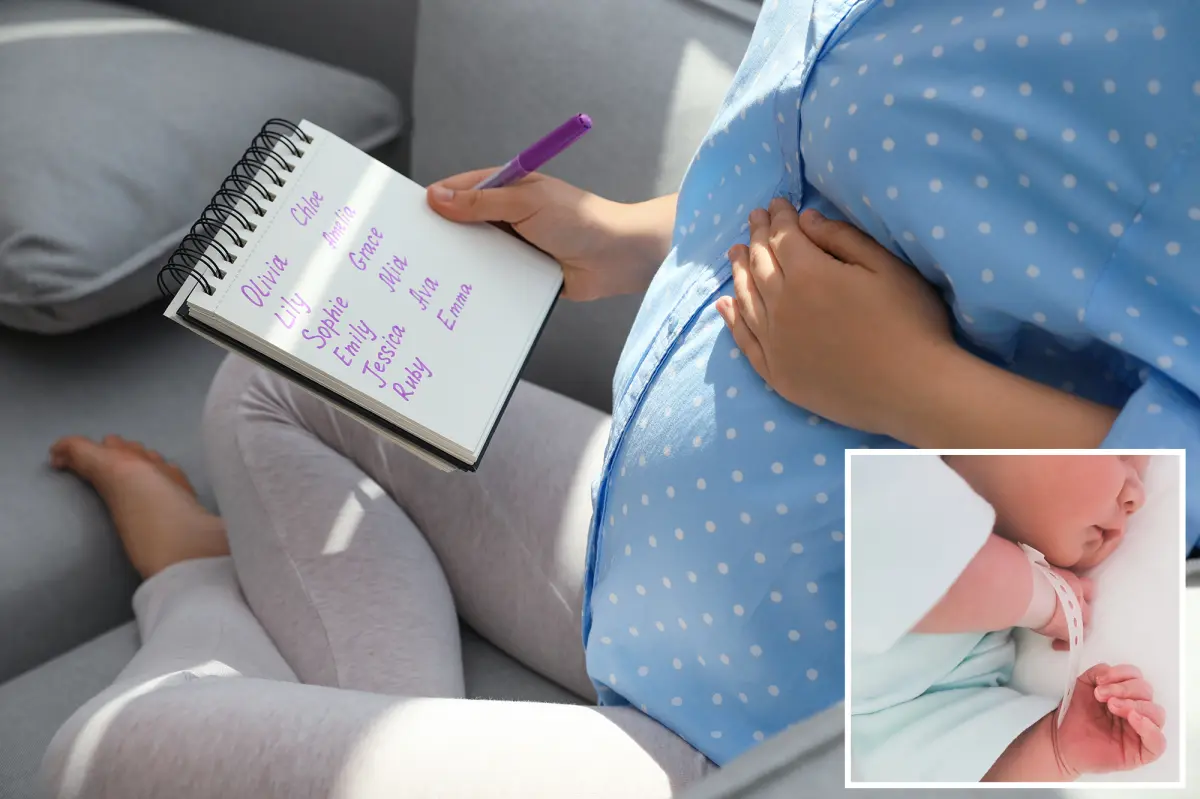
New York has long been celebrated as the undisputed epicenter of modern innovation, a sprawling cultural laboratory where trends in fashion, art, and lifestyle are constantly birthed, discarded, and radically reinvented. Yet, when we examine the newly unveiled baby name data for 2025, we are confronted with a deeply fascinating, counter-intuitive cultural pivot: instead of leaning into the futuristic, high-concept modernism that often characterizes the Empire State, parents are staging a massive, collective retreat toward the comforting embrace of traditional and biblical classics. This sudden, widespread yearning for the familiar is vividly illustrated by the reigning champions on the state’s top one hundred list. For boys, the majestic and ancient name Noah claims the coveted number one spot—representing 1,381 newborn boys who will carry this flood-weathering historical monograph—paving the way for a top ten lineup dominated by robust, historically grounded names like Liam, Theodore, Luca, Oliver, Joseph, James, Jacob, and Ethan. The girls’ division is crowned by the elegant simplicity of Emma, given to 774 infant daughters, which is closely trailed by timeless favorites such as Olivia, Mia, Sophia, Charlotte, Isabella, Amelia, Lea, Sofia, and Zoe. When parents choose a name for their child, they are doing far more than selecting a linguistic identifier; they are engaging in a foundational act of hope, offering a silent prayer for the kind of life, character, and worldview they wish for their offspring to inhabit, imbuing their tiny infants with a legacy before they can even speak. In an era that often feels overwhelmingly fast-paced, hyper-technological, and spiritually untethered, New York’s parents are looking backward to find their footing, selecting names that carry historical weight, melodic elegance, and a sense of absolute permanence to anchor the next generation. This trend reflects a beautifully human instinct: when the future feels profoundly uncertain and the present moves too quickly to grasp, we naturally look to the endurance of our collective past to find solace, electing to gift our children with names that act as sturdy, unbreakable anchors in a storm rather than chasing transient, modern novelty.
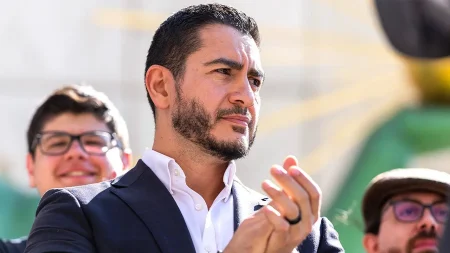
This profound societal shift toward traditional naming conventions cannot be analyzed in a vacuum, as it is deeply intertwined with the shifting political tides, ideological polarization, and societal anxieties sweeping through both the state of New York and the nation at large. According to Taylor Humphrey, a prominent California-based baby name consultant who works extensively with affluent East Coast clients, the sudden popularity of biblical and traditional monuments of nomenclature may represent a direct, psychological reaction to the rise of highly unorthodox political figures, most notably the prominent, progressive, and highly polarizing campaign and leadership of New York’s Mayor Mamdani in 2025. Mamdani’s highly divergent platform and public persona marked a dramatic departure from the established political traditions of the past, thrusting the city into intense ideological debates and a period of palpable social restructuring that dominated headlines throughout the year. Humphrey posits that Gen Z and younger millennial parents, observing this rapid divergence from historical norms, may have experienced a subconscious pull toward cultural preservation, seeking solace in the enduring heritage of their ancestors as a stabilizing counterweight to a rapidly changing sociopolitical landscape. New York City, as Humphrey emphasizes, acts as a vibrant microcosm of the entire world—a swirling melting pot where global tensions are felt intimately—and religion historically becomes significantly more popular during times of political uncertainty. When young couples navigate their twenties and thirties amidst this landscape, they look for truths they can hold onto securely; choosing a biblically rooted or culturally traditional name is a quiet, powerful act of faith, asserting that while societal structures and political leadership may fluctuate wildly, their family’s foundation remains rooted in timeless moral truths. Gen Z’s emerging conservative values are pulling away from the hyper-progressive, fluid image that has traditionally defined the cutting edge of New York, leading them back to traditional heritages that offer comfort, security, and a deep-seated connection to ancestral wisdom.
The demographic nuances of this dataset also reveal a fascinating geographic and cultural divide between the urban core of the Big Apple and the broader, more expansive landscape of New York State. Humphrey points out that the overall list of top names feels far more reflective of New York as an entire state rather than the progressive, hyper-trendy bubble of New York City itself, pointing to the underlying economic and social reality that “fewer people in the Big Apple are reproducing.” As sky-high living expenses, cramped real estate, and demanding career tracks continue to depress birth rates within the five boroughs, the overall state-wide naming data is increasingly influenced by suburban and upstate families who tend to hold more traditional, family-centric values. This geographical shift highlights a crucial divergence in what the “New York brand” signifies to different populations. While Manhattan and Brooklyn are globally romanticized as cutting-edge playgrounds of fashion, culinary innovation, and celebrity escapism, the vast majority of the state—from the scenic Hudson Valley to the rural communities upstate—operates on a more traditional, nature-aligned frequency. Gen Z parents who settle in these quieter, tree-lined corners of the state are increasingly embracing classic, heritage-driven lifestyles, turning away from the fluid, trend-obsessed aesthetic of metropolitan life in search of something tangible, quiet, and enduring. This tension between the urban avant-garde and the rural-suburban traditionalist is beautifully displayed in the name registries, where the dominance of classic names suggests that the enduring spirit of New York is not just defined by its skyscrapers and glittering nightlife, but by the grounded, resilient, and family-oriented communities that quietly form the backbone of the entire Empire State, proving that the heart of the state beats to a rhythm of historical continuity rather than transient metropolitan fads. As young families migrate out of the cramped city to raise their children close to nature, they carry with them a desire for names that reflect the rugged beauty, openness, and foundational stability of the land they now call home, resulting in a state registry that feels refreshingly grounded, wholesome, and profoundly human.
Furthermore, the 2025 baby name registries serve as a rich, luminous testament to New York’s enduring status as a vibrant global melting pot, highlighting an incredibly beautiful and pronounced shift toward religious and cultural reclamation within both Jewish and Muslim communities. Rather than opting for generic, westernized names that easily blend into the background of a secular society, families are proudly displaying their heritage by embracing deeply sacred, culturally significant names. This is evidenced by a dramatic and steep rise in the popularity of Hebrew and Yiddish girls’ names, with the classic, elegant name Ester skyrocketing to number fifteen on the state-wide list, alongside the beautiful Chana landing at number fifty-seven. The list also welcomes the charming, rare occurrence of the Yiddish name Gitty—which beautifully translates to “blessed”—bringing a touch of soulful, Old-World devotion, community solidarity, and spiritual warmth to the modern register. On the boys’ side, the cultural landscape is equally rich and diverse, defined by the proud ascent of Islamic names such as Muhammad at number thirty-nine and Amir at number sixty-nine. Humphrey notes that this rise in distinctly religious names speaks directly to the ways in which diverse communities turn inward to find strength, comfort, and a sense of belonging during times of geopolitical tension and cultural assimilation pressures. When minority cultures navigate complex socio-political landscapes, the act of naming a child becomes a powerful, living declaration of pride and resistance—a way to ensure that ancestral languages, stories, and sacred lineages are preserved and carried forward by the next generation. This beautiful phenomenon transforms the state’s naming registry into a living historical record, a brilliant, pluralistic tapestry of faith and community resilience where parents proudly bestow upon their children the names of prophets, matriarchs, and virtues, ensuring that their cultural identities remain vibrant and unyielding in the modern world.
Contrastingly, within the trendy, affluent pockets of New York City itself—most notably the historic Brownstone neighborhoods of Brooklyn and the lush, stroller-lined streets of Park Slope—a very different, highly deliberate, and deeply stylized naming aesthetic is taking hold among elite parents. For this specific demographic, which largely consists of the creative class who spent the 2010s pioneering the rugged Brooklyn hipster culture of artisanal coffee, vinyl records, and vintage clothing, and have now matured into sophisticated, health-conscious, and wellness-oriented parents, standard top-100 names are actively avoided in favor of what Humphrey labels “clunky vintage names.” These are heavy, deeply historical, and slightly eccentric monikers that evoke a bygone era, such as Gertrude, Agatha, Agnes, and Ethel. Far from being seen as dusty, unattractive, or outdated, these names are highly prized for their physical heft, intellectual complexity, and a unique “rugged, gritty granola” vibe that manages to feel simultaneously down-to-earth and incredibly sophisticated. Choosing a name like Gertrude or Agnes operates as a subtle, intellectual “if you know, you know” cultural handshake among affluent metropolitan elites, signaling a conscious rejection of commercialized, focus-grouped baby naming trends in favor of something aggressively unique and filled with structural character. These clunky vintage names offer a guarantee of total individuality, ensuring that a child will be the only one with their name on the preschool playground, free from the ubiquity of the Emmas and Liams of the world. At the same time, they project an aura of grounded, literary, and historical substance that aligns perfectly with the aesthetic values of contemporary metropolitan intellectuals who want their children’s names to reflect an appreciation for history, art, and retro-chic authenticity, turning the act of naming into a creative, counter-cultural art form.
Ultimately, the absolute seriousness and meticulous care with which modern parents approach the baby-naming process—as exemplified by the rising popularity of elite, high-end baby-naming consultants like Taylor Humphrey, who can command tens of thousands of dollars to help affluent parents curate the perfect moniker—underscores the immense psychological, emotional, and sociological weight wrapped up in a child’s name. In our highly connected, visually driven modern society, a baby’s name is often felt to be their very first piece of personal branding, a foundational gift that communicates a family’s aesthetic, values, aspirations, social standing, and ultimate hopes for the future. This expensive and intensive curation process represents a wider societal anxiety about identity and distinction in an increasingly crowded and noisy digital landscape. Yet, beneath the commercialized veneer of the modern parenting industrial complex lies a deeply tender and beautifully universal human impulse. Whether a family chooses to navigate times of intense political polarization by wrapping their child in the protective armor of timeless biblical classics, proudly declaring their cultural and religious heritage with sacred names like Muhammad, Amir, Chana, or Ester, or establishing a chic, intellectual individuality through the deliberate revival of clunky vintage monikers, they are all engaged in the same sacred task. We are all searching for a way to ground our children, to hand them a sense of self that feels sturdy enough to withstand the chaotic, unpredictable currents of a rapidly changing world. The 2025 New York baby name registry is far more than a dry collection of demographic statistics and political reactions; it is a profound, living map of our collective human heart, reminding us that behind every birth certificate is a family attempting to bridge the past and the future, using nothing more than a few carefully chosen syllables to give their newborn child a safe, meaningful, and loving place to stand.