






Friday night on Hawaii’s Big Island usually carries a gentle, predictable rhythm: the soothing sound of the Pacific tide washing against jagged lava-rock shorelines, the rustle of dry palm fronds in the warm evening trade winds, and the quiet settling of families and weary travelers after a long, sun-drenched week. However, shortly before 10:00 p.m. local time, this tranquil tropical evening was shattered by a violent and sudden reminder of the island’s incredible, restless volcanic power. For residents living along the sun-washed southwest coast, particularly near the historic and culturally rich town of Hōnaunau-Nāpōʻopoʻo, the tranquility vanished in an instant as a powerful 6.0 magnitude earthquake violently convulsed physical structures and shook the landscape. Windows rattled furiously in their frames, dogs barked in frantic alarm across dark neighborhoods, and the very ground beneath people’s feet seemed to turn to liquid. In living rooms, cozy bedrooms, and beachfront lanais, families frozen in place felt the terrifying, low-frequency rumble of a deep crustal shift that seemed to vibrate directly through their chests. It was a visceral, heart-stopping event that sent adrenaline spiking across the island, instantly pulling parents out of bed to shield their sleeping children and prompting guests in oceanfront hotels to grip furniture in sheer panic. The United States Geological Survey (USGS) quickly pinpointed the epicenter just seven miles south of Hōnaunau-Nāpōʻopoʻo, a coastal sanctuary famous for its deep historical roots, ancient places of refuge, and pristine marine life, now suddenly transformed into the violent focal point of a massive release of deep-seated tectonic energy. For tourists staying in nearby luxury resorts who had never experienced an earthquake of this scale, and for seasoned locals who have spent generations navigating the shifting, unpredictable temperaments of their volcanic home, the suddenness of the jolt served as an immediate, humbling testament to the raw, untamable forces that continuously shape human life in the middle of the vast Pacific Ocean.
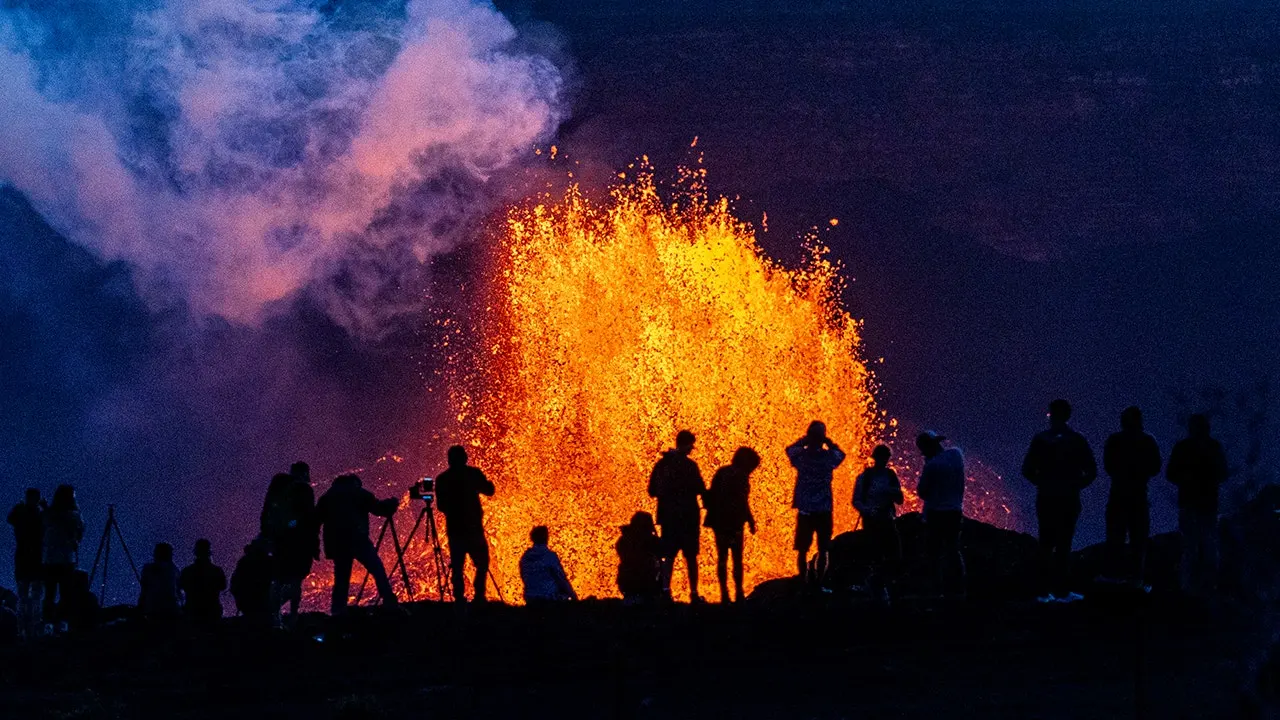
This dramatic seismic event did not occur in a vacuum; rather, it struck during a period of heightened scientific anxiety and intense community observation across the entire island chain. For weeks leading up to the Friday night shake, scientists at the USGS Hawaiian Volcano Observatory had been working around the clock to monitor Kilauea, one of the world’s most famously active, volatile, and unpredictable volcanoes. Kilauea had already put on a spectacular, highly disruptive display through a series of dramatic eruptions throughout the month of May, leaving nearby communities on high alert as they recalled the devastating 2018 eruption that destroyed hundreds of homes in Lower Puna. Island residents had been bracing themselves for another imminent eruption, with volcanologists predicting that Kilauea’s molten heart would burst forth once again in a matter of days, specifically identifying a critical, high-risk window between May 24 and May 27. When the 6.0 magnitude quake struck, the immediate, panicked assumption for many residents was that the volcano had finally blown its top in a catastrophic fashion, sending destructive rivers of liquid fire rushing down its slopes toward their backyards. Living on the rugged flanks of an active volcanic chain means existing in a state of perpetual, respectful vigilance, where every minor tremor is heavily scrutinized as a potential precursor to a major disaster. For the island’s human population, the relationship with Kilauea is deeply complex, filled with a mixture of reverent awe, scientific fascination, and a very real, ancestral understanding of the volcano’s power to completely rewrite the physical landscape. While experts were quick to clarify that this specific earthquake was not caused by Kilauea’s volcanic plumbing, the chronological proximity of the two events greatly heightened the threat level in the minds of the public, leaving many to wonder just how much geological stress their dynamic island home could handle before something gave way.
To make sense of this massive shake, the USGS pointed to a fascinating, almost poetic geological phenomenon known as lithospheric flexure, which is the literal bending of the earth’s crust under an unimaginable weight. The agency explained that the earthquake’s profound depth, precise offshore location, and specific seismic wave patterns indicated it was caused by the intense, compounding structural stress of the ocean floor bowing downward under the immense, concentrated mass of the Hawaiian island chain itself. To visualize this in human terms, scientists often suggest imagining a heavy bowling ball resting on a tightly stretched trampoline; the fabric of the trampoline dips, stretches, and strains under the weight, creating immense tension at the points of maximum curvature. In this case, the Hawaiian islands are the bowling ball—constructed of millions of tons of dense basaltic rock piled high upon the Pacific plate over millions of years of volcanic activity—and the ocean floor is the straining trampoline. What makes this event particularly interesting is that Hawaii does not sit on a traditional tectonic plate boundary, like the San Andreas Fault; instead, it rests directly over a volcanic “hotspot” in the middle of the Pacific Plate. As the massive plate slowly carries these heavy volcanic shields forward, the sheer downward force of their weight exerts a phenomenal bending stress on the lithosphere below, stretching the rock until it violently snaps miles beneath the ocean floor to relieve the pressure. Fortunately, because these flexure earthquakes occur at great depths of twenty miles or more, the seismic energy is somewhat dampened by the time it reaches the surface, sparing the island from the catastrophic structural collapse that a shallow crustal quake of a similar magnitude would surely cause.
Within minutes of the initial shockwave, the digital world hummed with the shared anxiety of thousands of people seeking reassurance, comfort, and real-time information from their neighbors. More than 2,500 residents and visitors quickly logged onto the USGS “Did You Feel It?” platform to submit felt reports, cataloging everything from light vibrations to terrifyingly violent shaking that knocked family heirlooms off shelves, overturned potted plants, and shattered glassware. Across the western side of the Big Island, from the bustling tourist corridors of Kailua-Kona to the quiet agricultural communities higher up the mountain slopes where famous Kona coffee is grown, the consensus was clear: this was not a minor tremor, but a profound, bone-deep shake that would not soon be forgotten. The psychological toll of such an event is often underestimated, as the initial shock is inevitably followed by a nerve-wracking series of aftershocks that keep everyone on edge, preventing sleep, causing domestic pets to whine in distress, and amplifying the overall feeling of physical instability. However, amidst the widespread fear, there was a profound sense of relief when the USGS and the Pacific Tsunami Warning Center confirmed that no tsunami had been generated by the deep-sea movement. For islanders, the word “tsunami” carries a painful historical weight of tragedy, loss, and coastal destruction, and the absence of a warning meant that families could focus on checking on their neighbors, securing their homes, and comforting frightened children without the terrifying prospect of having to flee to higher ground in the dark of night. This immediate, community-driven response showcases the enduring spirit of ohana (family and community) and the deep-seated network of care that defines Hawaiian life during times of natural challenges.
This intimate connection between the people of Hawaii and their trembling home is rooted in a rich cultural heritage that views the earth not as a sterile, predictable platform for human activity, but as a living, breathing, and highly sovereign entity. In traditional Hawaiian culture, these occurrences are deeply intertwined with the stories of Pele, the revered goddess of fire, lightning, and volcanoes, whose passionate and volatile nature is said to govern the ongoing creation and destruction of the islands. While modern science explains the earthquake through tectonic plates and lithospheric flexure, many locals still find comfort, meaning, and a sense of place in these ancient narratives, which offer a beautiful, empathetic framework for understanding and respecting the earth’s raw power. Unlike mainland societies where natural disasters are often viewed as anomalies to be conquered, engineered against, or feared, the people of the Big Island embrace a philosophy of deep coexistence with the aina (the land). They understand that the very soil they build their homes on, the lush rainforests they walk through, and the dramatic, sweeping cliffs they admire were all forged in the crucible of earthquakes and volcanic eruptions. This cultural perspective fosters a unique, quiet resilience among the population, transforming primal fear into a solemn, beautiful respect for the natural cycles of decay and rebirth that have defined the Hawaiian archipelago for thousands of years. Even those who have moved to the islands more recently quickly adopt this philosophical calm, realizing that to live in Hawaii is to accept its dynamic terms of tenancy and to love a land that is still growing.
As the physical and emotional dust settles from Friday’s major tremor, the focus inevitably shifts back to the near future and the ongoing vigilance required to live alongside some of the most active geological features on our planet. The USGS continues its round-the-clock monitoring of Kilauea, analyzing gas emissions, ground deformation, and localized seismic activity as the predicted late-May eruption window approaches, keeping the public well-informed of any sudden shifts in the volcano’s plumbing system. County disaster preparedness agencies are using this earthquake as a timely reminder for residents to review their emergency kits, secure heavy furniture, and stock up on essential supplies, knowing that nature rarely gives a generous warning before its next major move. For the tourists who flock to the Big Island from all corners of the globe to witness the primal spectacle of active volcanism, the event serves as a vivid reminder that Hawaii is not a manicured, predictable resort theme park, but a wild, evolving frontier where the very crust of the Earth is still being actively born. Scientists continue to study the intricate relationship between plate flexure and volcanic pathways, hoping this data will help them better protect the communities that thrive in the shadow of these giants. Ultimately, the 6.0 magnitude earthquake of Friday night has woven another dramatic, unforgettable thread into the complex tapestry of life on the Big Island. It proves once again that to truly love Hawaii is to accept its wild, trembling heart, finding a profound sense of beauty in its strength, safety in its scientific vigilance, and an unbreakable bond of community in the face of its natural wonders.