






The Bay Area Rapid Transit system, affectionately and sometimes frustratingly known to locals simply as BART, has long served as the physical and emotional circulatory system of the San Francisco Bay Area. For decades, its iconic silver trains have hummed through the darkness of the Transbay Tube, carrying the dreams, ambitions, and daily struggles of millions of commuters traveling between San Francisco, Oakland, Berkeley, and the sprawling suburbs of the East Bay. Yet, the onset of the pandemic in early 2020 threw this vital public asset into a deep, seemingly irreversible tailspin. As the region pioneered the work-from-home revolution, the once-crowded platforms fell silent, replaced by eerie emptiness, accumulation of grime, and an escalating atmosphere of disorder and crime that turned a routine daily commute into an exercise in high anxiety. For years, headlines about the transit system were dominated by stories of brazen thefts, open drug use, delayed trains, and a growing sense of lawlessness that left local residents feeling deeply disconnected from a system they had once relied upon. Many wondered if BART would simply fade away, a rusted relic of a past urban era, or if it could somehow summon the strength to reinvent itself for a modern world.
Against all odds, the opening months of 2026 have yielded a remarkable and hard-won renaissance, proving that this troubled transit giant still possesses a powerful beating heart. According to the agency’s latest operational reports, BART has achieved its most impressive quarterly on-time performance in more than a decade, with an astounding 94.4% of riders reaching their destinations exactly when expected during the first three months of the year. This operational triumph peaked in March, which stood out as the single strongest monthly performance the transit agency has seen since 2013, boasting fewer train delays than any March in memory, outside of the skewed data of the pandemic years. These timing improvements are not just cold, sterile metrics on an analyst’s spreadsheet; they represent real human moments—parents getting home in time to tuck their children into bed, workers avoiding the gut-wrenching stress of being late to a shift, and students arriving at class relaxed rather than frazzled. This newly discovered reliability has sparked an encouraging surge in passenger volume, with ridership climbing a healthy 15% year-over-year to 14.6 million trips for the quarter. Suddenly, the passenger cars are vibrating with the familiar, comforting hum of human interaction again, and the collective mood has shifted dramatically: customer satisfaction has rocketed to an impressive 90%, representing a massive leap from the gloomy 70% rating recorded in 2023, while formal station complaints have plummeted by more than a quarter.
At the very core of this public transport revival is a profound and tangible reduction in crime, addressing the single greatest source of dread that had previously kept potential riders away from the turnstiles. The statistical reality of this turnaround is staggering, with overall crime across the BART network dropping by an eye-opening 42% compared to the previous calendar year. The terror of having personal technology snatched out of one’s hands has been largely pacified, as electronic robberies plummeted by a remarkable 90% and electronic thefts decreased by 68%, while auto burglaries in commuter parking lots fell by nearly half. More than just statistics, this shift represents a profound transformation in the emotional experience of traveling through the Bay Area, changing the sensory landscape of the commute from one of hyper-vigilance to one of relaxed ease. For years, police-related disruptions and emergency interventions were a constant and disruptive fixture of the daily commute, resulting in almost 3,000 delayed train incidents in 2023 alone; over the past quarter, however, those chaotic incidents were slashed to just 955. This dramatic improvement is the direct result of a strategic decision in late 2023 to double the physical presence of transit police officers patrolling the platforms and riding the train cars, replacing a sense of abandonment with the reassuring presence of human authority and care.
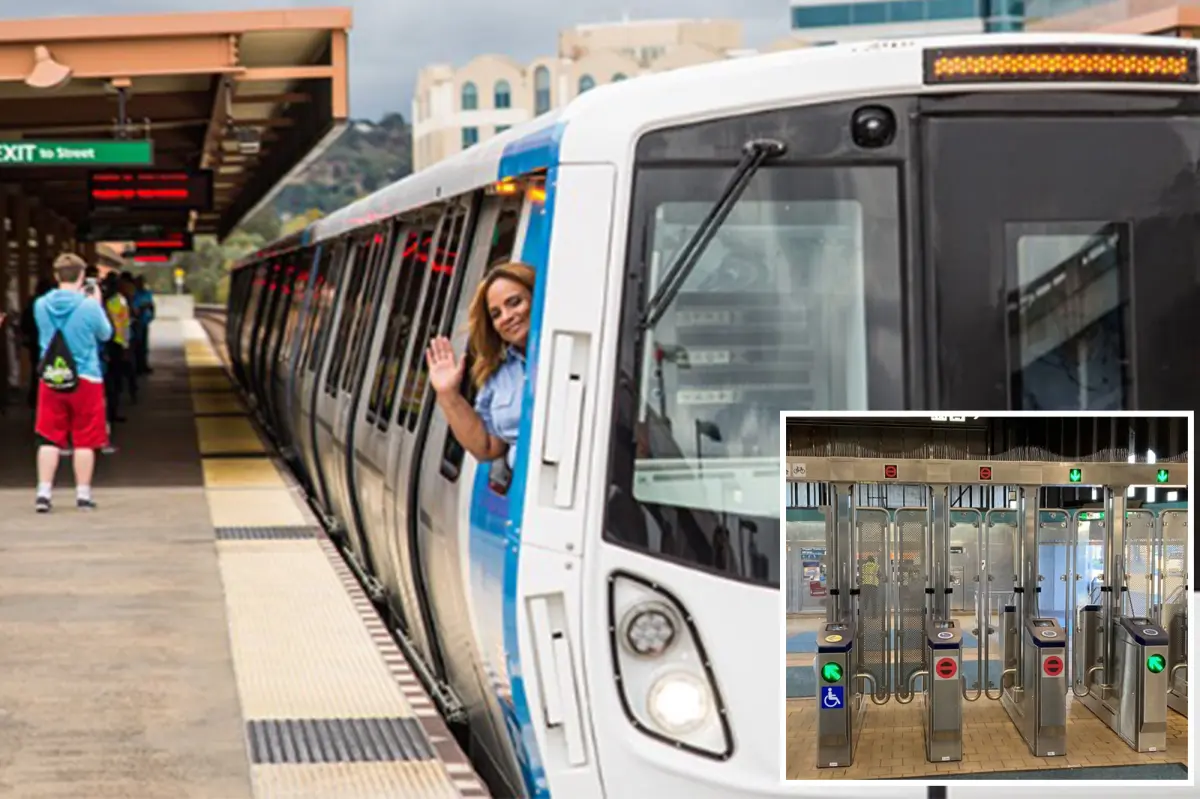
Beyond the visible presence of security personnel, a quiet revolution in architectural design has played a pivotal role in reclaiming the system’s safety, decency, and financial integrity. The iconic, easy-to-pass orange barrier gates of the past, which had practically invited fare jumpers to vault over or squeeze through them with impunity, are being systematically replaced by towering, state-of-the-art fare barriers. These formidable new physical structures, designed to prevent fare evasion entirely, have successfully reduced spotted fare evasion from a rampant 25% down to a mere 10% in just a few short months. This simple yet highly effective structural upgrade has already succeeded in injecting an estimated $10 million annually back into the agency’s depleted operational budgets, demonstrating that investing in physical infrastructure can yield immediate financial dividends. Furthermore, the installation of these taller gates has surprisingly served as a potent deterrent against anti-social behavior on the platforms, with reports of sexual harassment dropping by more than half since the rollout began. By creating a clear, secure boundary between the outside world and the paid transit area, BART has succeeded in fostering a cultural shift inside its stations, returning a sense of mutual respect, safety, and civility to the shared space of public transit.
However, even as we celebrate these hard-won operational victories and the return of clean, safe, and punctual trains, a dark, systemic economic storm cloud continues to hover ominously over the agency’s long-term future. The central dilemma facing BART is a structural mismatch between its historic operating model and the permanent realities of the post-pandemic, hybrid-work economy. Because major employers in downtown San Francisco and Oakland have permanently embraced remote and flexible work schedules, the massive, five-day-a-week commuting crowds of the 2010s are likely never coming back, leaving the agency to grapple with a devastating annual budget deficit of between $350 million and $400 million. While transit administrators successfully balanced the current fiscal budget through a series of painful corporate restructurings, hiring freezes, and $35 million in internal cost controls, they are warming the public that a catastrophic $376 million shortfall is still projected to hit the agency in fiscal year 2027. Without a massive infusion of new, sustained taxpayer funding or a fundamental overhaul of how public transit is subsidized in the United States, administrators warn of a looming, apocalyptic “doom loop,” wherein severe service cuts, laid-off workers, and shuttered stations would inevitably drive away the very riders they have worked so hard to win back.
Ultimately, the present moment for BART is one of profound tension: it is simultaneously experiencing an operational golden age and a financial existential crisis, leaving its ultimate survival hanging in a delicate balance. As Ryan Rod, BART’s Manager of Operations Reliability, eloquently put it, the visible improvements in cleanliness, safety, and schedules are not merely numbers on a page; they represent a fundamental promise kept to the people of the Bay Area, demonstrating that when public systems function with dignity and precision, the community will eagerly return. Yet, the systemic survival of this critical transit lifeline cannot be solved by operational efficiency alone; it will require a deep, collective soul-searching from Bay Area residents, business leaders, and state politicians about the value they place on public infrastructure. Public transit is far more than a business enterprise that must balance a ledger; it is a shared democratic space, an environmental necessity, and a lifeline for working-class citizens who have no other way to access jobs, healthcare, and education. As the region looks toward the critical decisions of 2027, the dramatic turnaround of BART serves as a powerful reminder of what is possible when we invest in our public systems, leaving us with a clear choice of whether to sustain this hard-won momentum or let the progress slip through our fingers once again.