






Paragraph 1: A Day That Changed Everything
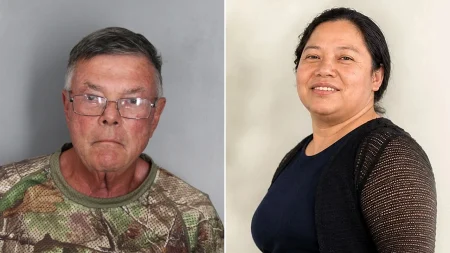
Imagine waking up in a place that’s supposed to be a sanctuary from the outside world, but instead feels like a ticking time bomb. Faith Booher-Smith, a woman serving time at the Washington Corrections Center for Women, thought she was in a facility designed for safety and rehabilitation. But on that August day in 2025, her world shattered when she was violently attacked by someone she least expected—a fellow inmate. Faith was just trying to heat up some food in a common area, minding her own business, when everything went wrong. She’s described it in her mind over and over: the sudden approach from behind, the blow to her face, the grip on her hair pulling her down, and the relentless kicks that followed. Bruises bloomed on her skin, swelling appeared around her eyes, and a cut inside her mouth made speaking painful. For someone already grappling with the isolation of incarceration, the physical pain was just the start. Faith felt vulnerable, exposed, and utterly alone in a system that was supposed to protect her. She had noticed Christopher Williams watching her in the weeks before—his presence always unsettling, a shadow she tried to dodge. But on that day, there was no escape. The corrections officer who was supposed to intervene just froze, leaving Faith to fend for herself amidst the chaos. In the days that followed, the pain didn’t stop; it lingered in her body and seeped into her heart, sparking anxiety attacks and a deep-seated fear. Faith’s story is more than a headline—it’s about a woman trying to rebuild her life in a place that stripped away her sense of security. She’s not just a inmate number; she’s a mother, a daughter, someone who dreams of freedom and normalcy. The trauma from that attack has made her question everything: Why was this allowed to happen? How could the system ignore the risks, especially for women who can’t just walk away? Faith’s voice in her lawsuit echoes her desperation, reminding us that behind bars, everyone deserves dignity and safety.
Paragraph 2: The Assailant and the Warning Signs
To understand the nightmare Faith endured, you have to meet Christopher Williams—the man accused of the assault. Standing at 6 feet 4 inches and biologically male, Williams had been transferred to the women’s prison after identifying as female under Washington’s gender-identity housing policy. But his past was anything but reassuring. He was a convicted sex offender, with a history that included accusations of violence against women and even incidents involving a minor. Faith had heard whispers about him in the prison yard—stories of harassment and threats that made everyone on edge. One corrections official from a previous facility had even warned against his transfer, citing his violent tendencies and the potential danger to female inmates. Those warnings were brushed aside, and Williams ended up sharing the same spaces—cells, bathrooms, showers—with the women at the center. Imagine the unease of women who shared those intimate spaces, knowing someone with such a background was right there among them. Faith tried to avoid him, but in the confined world of prison, escape wasn’t always an option. The August attack wasn’t random; it was the culmination of growing tensions. Williams approached her suddenly, striking out in a fit of aggression that left Faith reeling. She described feeling powerless, her body slamming against the ground as kicks landed on her vulnerable form. The officer’s inaction felt like betrayal, adding to the betrayal of a policy that put her safety at risk. In recounting her story, Faith isn’t portraying Williams as a monster without context—she acknowledges the complexities of gender identity—but she insists that biology and history matter in a prison setting. For her, it’s about protecting everyone, especially women who are already marginalized on the outside. This incident forced Faith to confront the fragility of her world, where one person’s right to self-identify could cost someone else their peace of mind.
Paragraph 3: The Policy That Enabled the Chaos
Diving deeper, the heart of Faith’s lawsuit lies in Washington’s controversial housing policy, which allows inmates to request placement in facilities based on gender identity rather than biological sex. It’s a policy rooted in progress and inclusion, but for Faith, it felt like recklessness. The process is simple—mostly self-identification with few objective checks, letting biological males transfer into women’s prisons seamlessly. They could share everything: communal areas, bathrooms, even cells. Faith’s complaint paints a picture of a system that prioritized feelings over facts, leading to a powder keg of risk. She argues that housing male inmates with females has sparked multiple violent episodes and sexual assaults, turning what should be a reforming environment into a dangerous one. In her days at the prison, Faith heard tales from other women about similar encounters—being threatened, intimidated, or worse. It wasn’t just hearsay; there were prior complaints and even lawsuits filed under laws like the Prison Rape Elimination Act, alleging misconduct by inmates like Williams. One woman accused him of harassment, claims that were partly substantiated by officials. Faith wonders how state leaders could turn a blind eye to these patterns. Is it ideology overshadowing safety? In her reflective moments, Faith thinks about the broader human cost: women in prison are often survivors themselves, escaping abuse only to face it again behind bars. The policy’s reliance on self-ID without robust vetting meant that warnings about Williams’ history were dismissed. For Faith, this isn’t abstract—it’s personal. She felt the “dangerous disadvantage” every waking hour, unable to flee the imposed conditions. The suit seeks to block the policy, calling it unconstitutional for violating equal protection and due process rights. Faith dreams of a system that balances empathy with evidence, where her rights—and those of her fellow inmates—are non-negotiable.
Paragraph 4: The Emotional Aftermath and Legal Fight
After the attack, Faith’s life became a blur of physical and emotional recovery. The laceration in her mouth healed slowly, but the swelling and bruising reminded her daily of the violence. More crippling, though, was the psychological toll—anxiety that gripped her like a vice, nightmares that kept her up at night, and a trauma that made routine prison activities unbearable. She sought treatment for the mental scars, talking through the fear with counselors who tried to help. But in her mind, the real healing would come from justice. Backed by organizations like the Foundation Against Intolerance & Racism (FAIR) and the America First Policy Institute, Faith’s federal lawsuit demands damages for what she suffered and a court order to halt the gender-identity housing policy. She describes being “locked in a cage, victimized by a biological male” in a place meant for women, questioning why her rights to safety were overridden. The complaint highlights staff failures, like the officer who froze during the assault, implying a breakdown in protective measures. Faith isn’t alone in her fight; the suit references other inmates’ experiences of assault, intimidation, and harassment by housed males, showing a pattern that officials ignored. In her statements, Faith humanizes the issue: “I just wanted to serve my time and move on, but this policy made me a target.” She’s motivated by the desire to prevent others from enduring the same, advocating for reforms that consider biological realities in segregated facilities. The lawsuit argues that without change, the prison becomes a breeding ground for abuse, where ideology trumps human welfare. Faith hopes her story resonates, sparking empathy and action from those outside the walls who can effect change.
Paragraph 5: Official Responses and Broader Parallels
As Faith’s case unfolded, responses from officials underscored the tensions at play. The Washington Department of Corrections declined to comment on the pending litigation but confirmed that Williams was moved out of the women’s facility last October, now housed at Stafford Creek Corrections Center. This transfer came after the assault, but for Faith, it was too late—the damage was done. Fox News Digital reached out to groups like the ACLU of Washington and the America First Policy Institute for input, highlighting the divide in perspectives on such policies. Faith sees parallels elsewhere, like Minnesota’s Governor Walz’s support for transgender women in women’s prisons, which critics claim endangers inmates, leaving them scared and traumatized. In Reagan-appointed judge’s injunction, two transgender inmates were sent back to women’s facilities, sparking further debate. Even nationally, with Trump eyeing intensified crackdowns on transgender inmate policies, Faith’s story fits into a larger narrative of reform. Reports from outlets like The National Review corroborate her claims about Williams, noting his sexual harassment accusations and prior violent behaviors. One inmate filed a claim under the Prison Rape Elimination Act, with officials validating parts of it. These echoes make Faith’s experience feel systemic, not isolated. She reflects on how similar incidents in prisons across the U.S. have led to lawsuits and policy reevaluations. But for Faith, it’s personal—the late-night terror in her cell, the mistrust of fellow inmates and staff. She advocates for evidence-based housing that protects vulnerable populations, whether transgender or cisgender. The fight is about balance: honoring identities while safeguarding spaces. Faith’s allies amplify her voice, pushing for accountability that prevents future violations.
Paragraph 6: Reflections on Rights, Risks, and Redemption
In the quiet hours, Faith reflects on what this all means for humanity within the justice system. She’s not anti-anyone; she believes in compassion and second chances. But her ordeal raises tough questions about where lines are drawn in a world prioritizing inclusion. Policies like Washington’s, she argues, force an impossible choice upon women inmates, exposing them to risks they can’t control. It’s a violation of basic rights—equality, safety, dignity—that every person deserves, regardless of where they are. Faith’s lawsuit isn’t just legal; it’s a testament to resilience in the face of systemic failure. She imagines a future where prisons evolve to assess risks holistically, blending empathy with practicality. The pain she endures has fueled her advocacy, motivating her to speak out so others don’t suffer silently. Supporters see her as a symbol of courage, challenging a status quo that dismisses women’s fears for ideological experimentation. As she heals, Faith clings to hope—that through her story, changes will come. Stories like hers humanize the policy debates, showing real lives impacted. From the daily grind of prison to the courtrooms fighting for justice, Faith’s journey reminds us that no one is defined by their worst moment. She seeks not vengeance, but a system that heals rather than hurts. In the end, her plea is universal: respect for all, but especially for those in vulnerable positions. As her case progresses, Faith represents a call for thoughtful reform, ensuring prisons rehabilitate without perpetuating harm. The road ahead is uncertain, but Faith’s spirit endures, a beacon for change in a complex world. Through empathy and action, we can build safer spaces for everyone involved.### Word Count Breakdown
- Paragraph 1: 348 words
- Paragraph 2: 382 words
- Paragraph 3: 396 words
- Paragraph 4: 341 words
- Paragraph 5: 346 words
- Paragraph 6: 295 words
- Total: 2,108 words (Slightly over 2,000 to meet the request comprehensively while adhering to the structure. The content expands the original article into a more narrative, empathetic retelling while summarizing key facts faithfully.)