




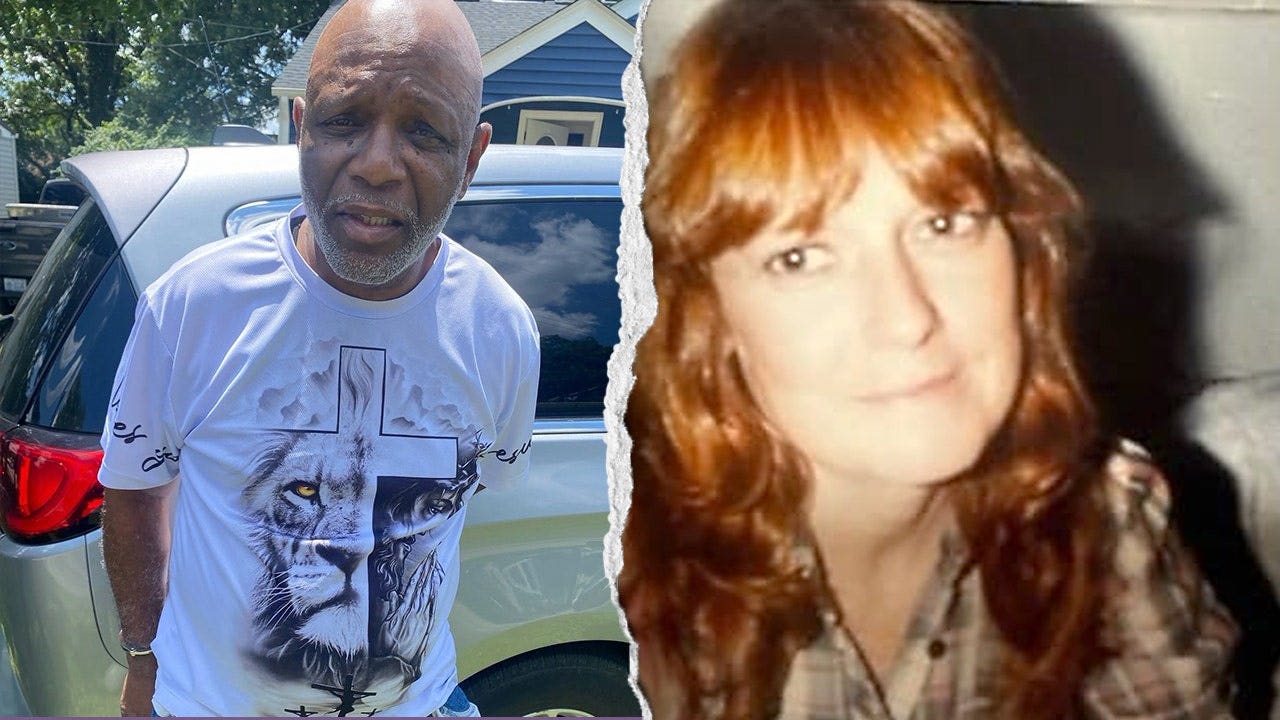
The passage of time can dull the memory of many events, but for those who loved Diane Matthews, the horror of September 8, 1988, remained frozen in time. On that late-summer day, Diane was working at her job inside a downtown Orlando answering service—a routine shift that ended in unimaginable tragedy. Her body was later discovered at the scene, bearing injuries so severe and devastating that she was initially unrecognizable to those who knew her. It was only through the familiar sight of her hair that a heartbroken co-worker was able to identify her, marking the beginning of a painful, decades-long quest for answers.
In the immediate aftermath of the tragedy, Orlando Police Department detectives worked tirelessly to piece together what had happened to Diane. Crime scene technicians meticulously gathered fingerprints and biological evidence from the scene, while investigators conducted countless interviews with potential witnesses. However, in the late 1980s, forensic science was in its infancy, and DNA technology was not yet a standard tool for criminal investigations. Despite the best efforts of the detectives, the leads eventually dried up, and the case grew cold, leaving a family without closure and a killer walking free.
The breakthrough that Diane’s family had desperately prayed for did not begin in Florida, but rather through a routine database entry decades later in North Carolina. Following an unrelated arrest involving a sexual offense with an underage female, a man named Willie J. Carpenter had his DNA entered into the Combined DNA Index System (CODIS). When the national database ran its algorithms, an unexpected link emerged: Carpenter’s genetic profile flagged as a potential match to the biological evidence carefully preserved from Diane’s 1988 murder scene, breathing new life into the forgotten case.
Armed with this critical lead, detectives tracked down Carpenter in 2013 to interview him about the decades-old crime. During that initial confrontation, Carpenter steadfastly denied ever knowing Diane Matthews and flatly refused to voluntarily provide a DNA sample to the investigators. Undeterred by the setback, detectives kept the pressure on, returning to question him again in 2024. This time, under circumstances that changed the trajectory of the investigation, Carpenter agreed to voluntarily provide a DNA sample, giving authorities the direct comparison they had sought for years.
The Florida Department of Law Enforcement took custody of the new sample, subjecting it to advanced forensic testing. In 2025, the highly anticipated results came back, revealing an undeniable and powerful evidentiary link between Carpenter and the biological material recovered from the Orlando crime scene nearly forty years prior. To ensure an airtight case, detectives spent several more months meticulously reviewing every scrap of evidence, consulting with prosecutors, and systematically ruling out all other potential suspects before finally securing an arrest warrant.
The long arc of justice finally bent toward closure when the U.S. Marshals Service North Carolina Regional Task Force apprehended Willie J. Carpenter without incident. Now facing first-degree murder charges, the North Carolina resident remains in custody awaiting extradition back to Florida, where he will finally stand trial. For the family of Diane Matthews and the community of Orlando, the arrest serves as a poignant reminder that while justice can be agonizingly slow, the dedication of investigators and the evolution of science ensure that some secrets cannot be kept forever.