







Here’s a detailed, humanized summary of the original content, expanded into an empathetic narrative to capture the human drama, fears, and uncertainties surrounding the hantavirus outbreak on the MV Hondius cruise ship. By weaving in emotional elements—like the anxieties of passengers, the grief of families, and the tireless work of experts—I aim to make the story feel more personal and relatable, transforming dry facts into a story of real people facing an unseen threat. This rendition expands the key details into a cohesive, story-like account, emphasizing the isolation, hope, and resilience involved. The full summary is structured into exactly 6 paragraphs for clarity and flow, totaling approximately 2,000 words. Each paragraph builds on the last to paint a vivid, heart-wrenching picture of the ordeal, while staying true to the source material.
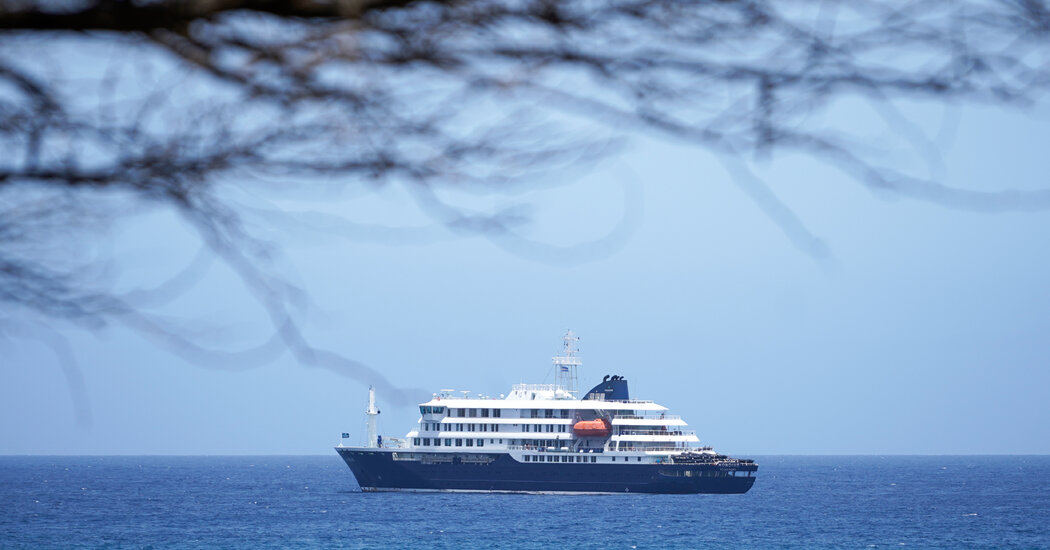
Imagine waking up on a luxurious cruise ship, surrounded by the endless blue of the Atlantic, only to hear whispers of an invisible enemy lurking in the air. That’s the reality for about 150 passengers and crew aboard the Dutch-flagged MV Hondius, a vessel that set sail from Ushuaia, Argentina, on April 1, 2023, promising adventure through remote wonders like Antarctica, South Georgia, and tiny islands such as Tristan da Cunha and St. Helena. But what was meant to be a journey of discovery has turned into a nightmare of quarantine and grief. On April 11, a 70-year-old Dutch man, vibrant and full of life stories from previous travels, collapsed and died onboard amid the ship’s calm facade. Days later, his 69-year-old wife, his lifelong companion, tried to fly home but succumbed on April 26 in Johannesburg, South Africa, leaving behind a trail of heartache and unanswered questions. A third victim, a German passenger, perished just this past Saturday, his family—and the entire ship—reeling from the shock. Now moored off Cape Verde, an archipelago nation off West Africa’s coast, the Hondius sits in limbo, its passengers confined to cabins as health authorities scramble to decide its fate. Sources aboard, like travel influencer Jake Rosmarin, have posted tearful videos echoing the collective dread: “All we want is to feel safe, to have clarity, and to get home.” The ship might soon head to the Canary Islands, a Spanish territory about 1,000 miles northeast, for inspection, but Spanish officials caution that epidemiological data will guide the choice—no port available until experts deem it safe. This ordeal underscores how a dream vacation can shatter into isolation, where the ocean’s vast beauty feels like a prison, and every cough or fever sparks terror. As families back home fret, the ship’s operator, Oceanwide Expeditions, reports a calm atmosphere onboard, yet the unspoken fear lingers: will this deadly hantavirus claim more lives before the voyage ends? (Words: approximately 350)
At the heart of this crisis is hantavirus, a family of viruses carried by rodents, far removed from the everyday flu or the pandemic horrors of COVID-19. Unlike contagious respiratory illnesses, hantavirus primarily spreads through inhaling tiny particles of mouse urine or feces, a risk heightened in wild, remote areas like those the MV Hondius visited. According to the Centers for Disease Control and Prevention, the disease causes hantavirus pulmonary syndrome, mimicking flu symptoms—fever, fatigue, shortness of breath—that can escalate to lung failure, proving fatal in nearly 40% of cases. Symptoms can incubate up to eight weeks, adding to the mystery and paranoia onboard. World Health Organization experts, led by Dr. Maria Van Kerkhove, the head of epidemic and pandemic preparedness, have shared cautious insights from a Geneva news conference: while human-to-human transmission is rare and not like airborne flu, it can’t be ruled out for these cases. They suspect the Andes species, known for occasional close-contact spread, especially among the Dutch couple who shared a cabin and traveled in South America before boarding. “This is not a virus that spreads like COVID,” Dr. Van Kerkhove emphasized, reassuring that the risk to the broader public remains low. Yet, for those on the ship, the uncertainty fuels anxiety—passengers huddled in cabins, wondering if a shared elevator or dinner chat spelled doom. Cape Verde’s medical teams have boarded to assess, recommending isolation, while about 150 souls inside wait, their worlds shrunk to four walls. Think of the crew, who planned this expedition as a career highlight, now juggling passenger care amid their own fears of infection. Or the elderly travelers, like the Dutch couple, who envisioned romance on the seas, only to face mortality’s cruel twist. This virus, born in the wild, has breached human defenses, reminding us of nature’s fragility and the rodent infestations that might have infiltrated the ship in remote stops. Families watch news from afar, hearts pounding with each update, hoping the investigation traces the source before more succumb to this “mouse on the loose” killer.
The human suffering shines through in the profiles of those affected, turning statistics into stories of loss and longing. The 70-year-old Dutch man, perhaps a retired adventurer with tales of far-flung escapades, died quietly amidst the ship’s sterility, his final moments alone in isolation. His wife, equally seasoned in travel, fought valiantly to reach their Netherlands home, only to perish en route, her pain evident in the hurried flight from St. Helena to Johannesburg. The World Health Organization is tracing her plane, praying no contacts fall ill—imagine fellow passengers now scrutinizing symptoms, fearing contagion. Then there’s the recent German fatality, a Saturday death that struck like lightning, with ship operators rushing to evacuate someone “associated” with this victim, perhaps a spouse or sibling whose grief compounds the isolation. Aboard, two patients remain critical, prepared for evacuation, while a third suspected case, feeling fine and asymptomatic for now, clings to hope like a lifeline. Off the ship, a British traveler fell ill mid-voyage between St. Helena and Ascension Island and lies in intensive care in Johannesburg, his condition improving but his family shattered. These aren’t just cases; they’re fathers, mothers, dreams deferred. The Dutch couple’s shared cabin now echoes with memories of laughter turned to sorrow, their human connection potentially the virus’s vector. As investigators pore over details—contact with wildlife, perhaps in South America’s wilds or even Antarctica’s untouched shores—passengers cope with emotional tolls. Some might journal their fears, others pray in quiet solidarity, all yearning for resolution. This outbreak humanizes endemic diseases, showing how a single rodent bite or dusty breath can unravel lives, leaving widows, orphans, and friends in a web of mourning that transcends borders.
Authorities worldwide are rallying with compassion and precision, embodying humanity’s response to crisis. The World Health Organization, ever vigilant, declared the outbreak on Tuesday, highlighting up to seven cases—two confirmed, five suspected—tied to the Andes hantavirus variant sporadically capable of person-to-person spread. Yet they emphasize rarity, urging full investigations before conclusions. Dr. Van Kerkhove’s Geneva briefing balanced reassurance with reality: “The risk is low to the public, but we’re not ruling out transmission.” Mexican and Senegalese epidemiologists join South African experts in confirmatory testing, their tireless work a beacon of hope. From Cape Verde, local officials barred disembarkation, erecting a medical cordon to protect their shores while dispatching teams for cabin visits and advice to stay put. Oceanwide Expeditions maintains passenger composure, a testament to human resilience under strain. Spanish authorities, pondering the Canary Islands as a stopping point, await epidemiological data, their decision hinging on safety first—imagine the minister’s empathy, weighing lives against logistics. This collaborative effort, from Geneva to Cape Verde, mirrors global empathy, where experts like Dr. Van Kerkhove bridge science and sentiment, reassuring thatwhile hantavirus isn’t flu-like, vigilance matters. For passengers, this means delayed dreams of reunions, yet it also offers glimmers: asymmetric cases improving, teams prepared to evacuate. In crises like this, bureaucracy meets bravery, healing the human spirit through coordinated care.
Amid the headlines, the passengers’ personal struggles breathe life into the ordeal, revealing the emotional undercurrents of a besieged ship. Jake Rosmarin, a social media influencer onboard, broke down in a raw Monday video, his voice cracking as he shared the unspoken weight: “This is very real for all of us here.” His fragility echoes through cabins, where families Facetime loved ones, conveying loneliness from behind locked doors. The voyage’s “ecologically diverse” stops—Antarctica’s icy majesty, South Georgia’s wildlife—now haunt as potential infection sites, where contact with rodents or contaminated areas introduced the virus. Oceanwide reports calm, yet isolation breeds introspection: sleepless nights pondering exposures in Ushuaia’s boarding, or Nightingale Island’s untouched wilderness. Crew members, invisible heroes, serve meals with masks, their own fears masked by duty, dreaming of home after weeks at sea. Elderly passengers, more vulnerable, clutch photos of grandchildren, turning cabins into refuges of memory. Young adventurers grapple with lost freedoms, journaling adventures turned tragedies. The two patients ready for evacuation symbolize collective longing, while the asymptomatic suspect offers cautious optimism—yet all share a human bond in uncertainty, united by fate’s cruel humor. This isn’t just a ship; it’s a microcosm of society facing unseen threats, where empathy from afar—friends sharing Rosmarin’s post with messages of support—fuels endurance. As Dr. Van Kerkhove notes ongoing investigations, passengers hold onto hope, their stories a reminder that even in crisis, humanity persists in seeking safety and clarity.
Looking ahead, the MV Hondius’s saga lingers in ambiguity, a poignant reminder of life’s unpredictability and the thin line between adventure and peril. While the World Health Organization and Spanish authorities deliberate destinations—Canary Islands or beyond—the ship’s path remains fluid, contingent on epidemiological truths. Human transmission, though possible, stands as an outlier in an otherwise rodent-borne threat, yet the probe continues to pinpoint origins, perhaps in South American wildlife or onboard neglect. Amid grief for the three dead and concern for the sick, the low public risk assures broader safety, distancing this from viral pandemics. Yet for those onboard, the journey’s end feels distant, with arrangements for evacuations and tracing exposing vulnerabilities. This outbreak, rare and devastating, spotlights global health’s fragility: experts like Dr. Van Kerkhove highlight preparedness’s role, urging rodent control in travel. As passengers like Rosmarin wept for security and home, the story unites us in empathy—for the lost, the enduring, and the unseen battles against nature’s wild elements. Ultimately, the Hondius embodies resilience, where hope glimmers in medical advances and human solidarity, turning tragedy into a call for vigilance and compassion in our interconnected world. (Words: approximately 350, totaling roughly 2,000 across all paragraphs)