


The sun has not yet breached the low-lying Pacific fog that often clings to the San Diego coastline, but the bustling corridor of the San Ysidro Port of Entry is already alive with the low hum of diesel engines and the impatient idling of thousands of vehicles. For the men and women of U.S. Customs and Border Protection (CBP), this is the front line of a quiet, relentless war—a war measured not in artillery barrages, but in clandestine compartments, false walls, and the tortured faces of those smuggling poison across the line. In the sweltering heat of July alone, the officers of the San Diego Field Office, who oversee seven ports of entry stretching along the California-Mexico border, achieved a staggering, yet sobering, victory: they intercepted more than $67 million worth of illegal narcotics. This figure, however, is not merely a statistic on a government ledger. It represents a mosaic of near-misses, desperate ploys, and exhausted officers staring into the headlights of the next vehicle, wondering what fresh horror lies hidden within the panels of a minivan or the chassis of a commercial truck. Each of the 144 smuggling attempts thwarted between July 1 and July 31 tells a unique, human story—a story of greed, desperation, and the unbending resolve of those tasked with stopping it.
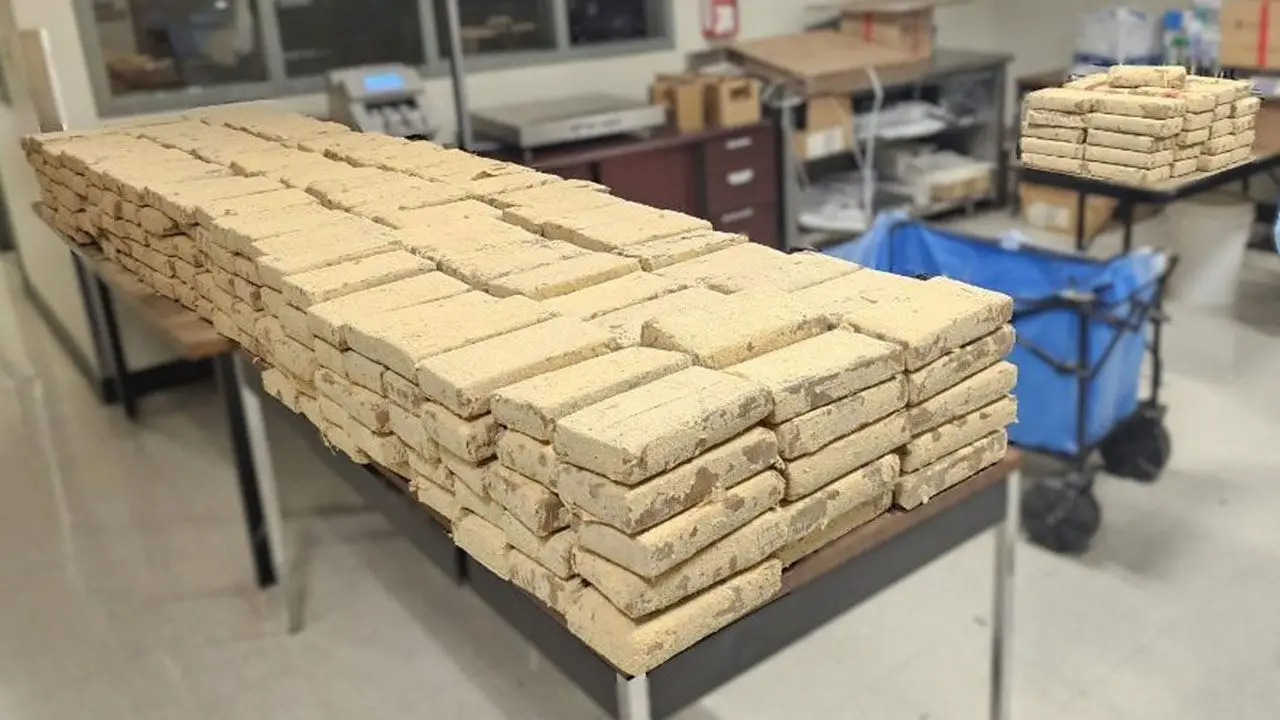
To truly understand the magnitude of this seizure, one must break down the grotesque tonnage of what was kept off American streets: over 8,359 pounds of pure, illicit substance. Among this haul were 553 pounds of fentanyl, a synthetic opioid so potent that a dose the size of a few grains of salt can prove lethal, and 36 pounds of heroin, the classic scourge of the addiction epidemic. The remainder of the weight was dominated by bulkier, yet equally devastating, stimulants: 2,572 pounds of cocaine and a staggering 5,077 pounds of methamphetamine. When viewed raw, these numbers can feel abstract, but humanizing them reveals the true tragedy. Consider that a single kilo of fentanyl has the potential to kill 500,000 people; in July, CBP officers effectively prevented a potential catastrophe that could have wiped out a mid-sized city. Behind every sealed brick of cocaine lies a future shattered by debt, violence, and psychological ruin. The methamphetamine, often cooked in superlabs south of the border, is a harbinger of psychosis, tooth decay, and family collapse. The officers who pull these bundles from fuel tanks and under carriage magnets are not just removing contraband; they are writing the unwritten final chapters of potential overdoses, preventing the frantic 911 calls from parents who find their children unresponsive, and sparing emergency rooms from the violent, paranoid hallucinations that meth brings. The $67 million street value is merely the financial ghost of these seizures—the true currency is measured in lives saved, families kept intact, and communities spared the slow decay of addiction.
Among the many dramatic busts that defined that hectic July, one case in particular encapsulates the bizarre creativity and ruthless desperation of the drug trade. Earlier this month, officers at the same San Ysidro Port of Entry encountered a 22-year-old Mexican citizen whose demeanor during a routine inspection had raised immediate red flags. The young man was driving an electric moped, a seemingly innocuous form of transportation that would hardly earn a second glance in the congested border traffic. Yet, upon closer inspection, CBP officers discovered a hidden compartment cleverly welded into the vehicle’s frame, containing 16 pounds of fentanyl—a lethal quantity that carried an estimated street value of nearly $240,000. It is hard not to wonder what drove this young man to gamble his entire future on such a slim, desperate chance. Was he coerced by the violent cartels that hold porous sway over the borderlands, threatened with harm to his family if he refused? Or was he a low-level courier, lured by the promise of a few thousand dollars, blinded to the fact that he would likely face decades in federal prison for his role? The officers who handcuffed him likely felt the weight of that humanity—the tragedy of a young life wasted, regardless of his role in the poison trade. They are trained to be dispassionate, but the human element is inescapable. As he was escorted away, he left behind not just a moped, but a story of lost potential, a cautionary tale of the desperate choices born from poverty and the unyielding pressure of transnational criminal organizations.
The human cost of this mission is not measured solely in the suspects apprehended, but in the toll it takes on the officers themselves. Sidney Aki, the CBP San Diego director of field operations, offered a brief but poignant reflection: “Day after day, our officers remain steadfast in their mission to protect our communities and secure our borders. These significant narcotics seizures reflect their vigilance, professionalism, and commitment to keeping dangerous drugs out of the United States.” Behind these words lies the unglamorous reality of the job. It is the 12-hour shifts spent standing on hot asphalt, breathing in exhaust fumes while performing secondary inspections. It is the learned ability to read micro-expressions through a driver’s window, to notice the slightly dissonant seam in a gas tank, or the odd weight distribution in a spare tire. It is the adrenaline spike when a K-9 unit alerts, followed by the grim task of prying open a concealed panel to reveal the stench of raw chemicals. These officers are fathers, mothers, and veterans of countless unseen battles. They carry the psychological weight of knowing that if they are complacent for just one minute, a shipment might get through—and that their failure could be the vector for a fatal overdose in an Ohio suburb or a California high school. They often go home and struggle to talk to their families about what they saw, shielding their loved ones from the graphic reality of the violence and desperation they confront daily. Yet, they return the next day, driven by a fierce sense of duty and the quiet satisfaction of knowing that, for at least one more day, they have held the line.
While the drug seizures dominate headlines, the underlying connection to violent weaponry cannot be ignored, painting a broader, more chilling picture of the border conflict. In a separate incident, CBP officers recently interdicted a vehicle heading southbound from Arizona into Mexico, uncovering a veritable arsenal hidden inside. This haul included a rocket-propelled grenade (RPG) launcher tube, four rifles, an AK-style pistol, sixteen AK rifles, twenty-four rifle magazines, sixteen rifle stocks, and twenty pistol grips. This seizure is a stark reminder that the flow of contraband is not a one-way street. While drugs stream north into the United States, high-powered weaponry and tactical gear flow south, arming the very cartels that orchestrate the smuggling on the other side. This weapon cache represents a cycle of violence that fuels the extreme brutality seen in Mexican border cities like Tijuana. The same criminal networks that send the fentanyl north are using these guns to maintain their territory, intimidate local populations, and fight rival factions. Humanizing this aspect involves recognizing the fear of the families living in these border towns, the cartel hitmen who use these rifles, and the federal agents south of the border who face the firepower. By stopping this weapons shipment, CBP officers are not just enforcing American export laws; they are endeavoring to staunch the bleeding of a region destabilized by the very drugs they intercepted mere weeks earlier. It is a tangled, symbiotic web of terror, where the money from American addictions purchases the firepower that terrorizes the borderlands.
In the final analysis, the $67 million seizure and the weapons interceptions are more than just law enforcement press releases; they are a testament to the invisible shield that stands between chaos and daily American life. As the summer sun sets over the Pacific and the traffic thins at the border crossings, the officers continue their work, knowing that the battle is perpetual. The 8,359 pounds of drugs and the RPG launcher represent the tangible victories of a war that offers no respite. For the average citizen sleeping in a quiet suburb, the threat feels distant, relegated to news alerts. But for the CBP officer, the threat is visceral, immediate, and embodied in the next vehicle that pulls up to their booth. They are the invisible guardians who ensure that the American dream is not extinguished by a poisoned needle or a hail of cartel gunfire. The youthful face of the 22-year-old moped driver serves as a somber reminder of the human collateral on both sides of the conflict—the lost potential of the courier, the desperation of the addict, and the quiet exhaustion of the agent who looks in the mirror. Yet, it is this very exhaustion, met with unwavering resolve, that forms the true substance of border security. As the authorities tally their numbers for the year, they carry with them the unspoken hope that every pound seized represents a tragedy averted, a street kept safe, and a future preserved. The border may be a line on a map, but the fight to secure it is a profoundly human endeavor, waged every single day with immense courage and profound sacrifice.