


What truly makes a city feel safe? Is it the absence of pickpockets, the glow of streetlights, or simply the vibe you get when you step off a plane? For years, the gold standard for travel safety has been dominated by Scandinavian capitals and famously orderly Asian metropolises, but a brand-new report from Berkshire Hathaway Travel Protection (BHTP) has just flipped the script in the most delightful way possible. Published ahead of the 2027 travel season, the study has crowned Montreal, Canada as the number one safest city in the world for travelers—a massive leap from 16th place in the previous year’s ranking. To arrive at this conclusion, the insurance giant didn’t just rely on raw crime statistics. They started with a pool of 38 popular international and domestic cities, then surveyed over 1,500 travelers who had actually visited those destinations, asking them to rank each location based on their firsthand experiences of safety. These subjective, human inputs were then mathematically blended with robust data from major safety indices like Numbeo, The Economist, and GeoSure Global, resulting in a comprehensive score that balances emotional perception with hard data. However, the company is quick to add a crucial caveat that any savvy traveler should heed: these ratings reflect conditions as they were when the survey was conducted in August 2026, meaning they don’t account for the rapidly shifting dynamics of “what’s happening right this minute.” So, while the list offers a fantastic blueprint for your 2027 adventures, travelers are still advised to keep their wits about them and check local advisories before heading out.
Let’s dig into why Montreal snagged the prestigious numero uno spot. With a stellar score of 82.18, the Canadian city was celebrated not just for its jaw-droppingly low crime rate, but also for an intangible atmosphere of relaxed harmony that permeates its neighborhoods. Imagine wandering through the cobblestone streets of Old Montreal, the air filled with the scent of fresh bagels and poutine, where locals chat easily in both French and English, and the biggest worry you have is whether to order another maple syrup-based dessert. That’s the magic of Montreal, a city that blends European charm with North American practicality, creating a social fabric that is impressively tight-knit. However, before you book your flight, BHTP has issued a stark warning about what travelers actually need to worry about in Montreal, and it’s not pickpockets or muggings—it’s traffic. Because the city’s sprawling suburbs occupy both sides of the majestic Saint Lawrence River, the daily commute involves a nerve-wracking dance across the city’s aging bridges. “Crossing the bridges to the city can be a chore,” the report warns, and it only gets worse when you factor in the city’s notorious infrastructure projects. “If the roads are under construction—which they almost always are—the complexity of your trip increases fivefold.” So, safety-wise, you can leave your pepper spray at home, but you might want to bring a spare pack of Dramamine and a very, very patient attitude for the car ride from the airport to downtown.
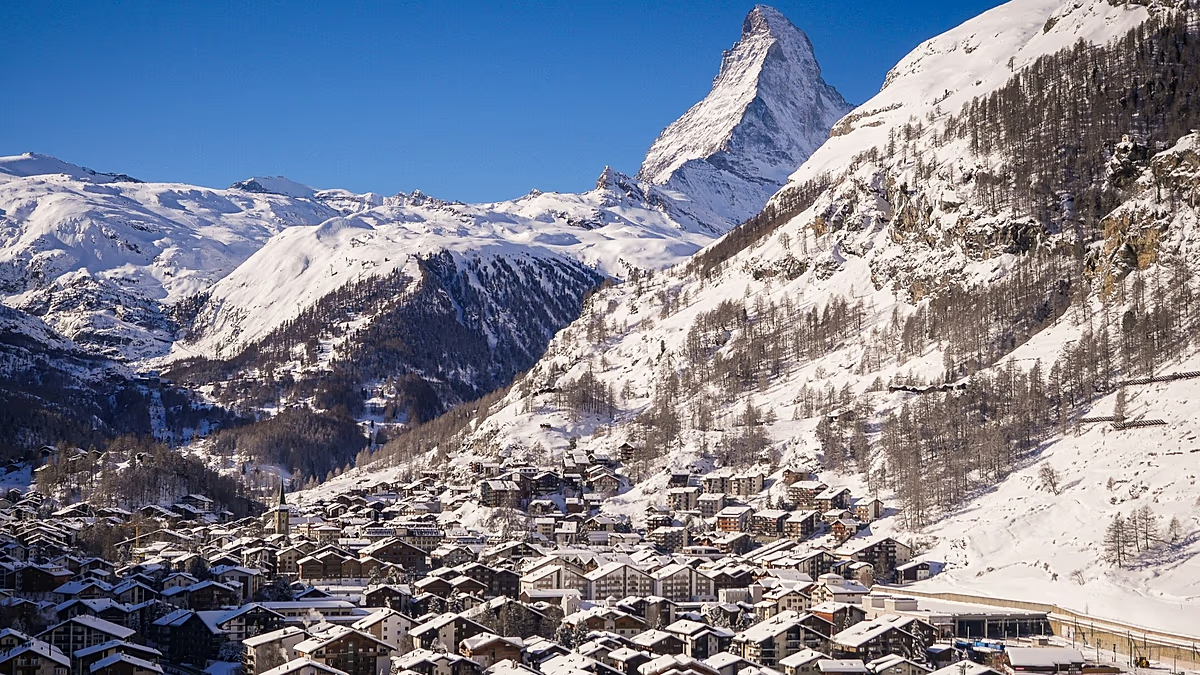
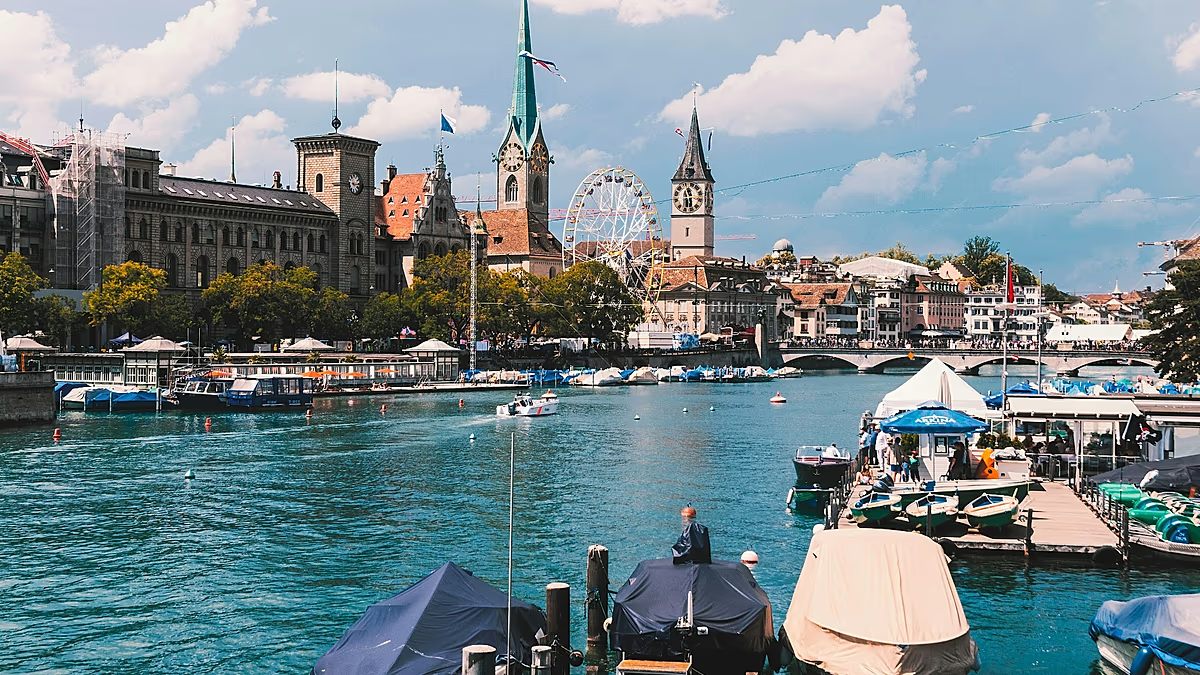
While Montreal’s victory was a delightful surprise for North American travelers, the rest of the top 15 is a resounding victory lap for Europe, with nine destinations from the continent making the cut. Heading the European charge and claiming the second overall spot is Zürich, Switzerland, which boasted a score of 81.03. Zürich actually climbed up from third place in the 2026 ranking, and its safety reputation is practically legendary. According to the BHTP report, Zürich isn’t exactly what you’d call a bustling tourist hotspot—its core conservatism and staggeringly high prices tend to deter the backpacker brigade. But paradoxically, it is precisely this lack of chaotic mass tourism that keeps the city so extraordinarily secure. Think about it: no swarms of distracted tourists means fewer opportunities for petty crime. “Add clean and safe mass transit, and Zürich is as secure as a Swiss bank,” the report reads, referencing the city’s famously punctual and pristine tram system. The humanized experience of Zürich feels less like a vacation and more like stepping into a meticulously engineered clock—everything runs on time, the streets are polished, and there is an unspoken social contract that everyone obeys. The only piece of advice the rankings offer to visitors here isn’t about avoiding dangerous alleys, but rather about managing your cash. Because Switzerland is outside the Euro zone, the report humorously advises, “It’s a good idea to get about $75 worth of Swiss francs when you enter Switzerland, even though the country is essentially cashless.” It’s a small logistical dance to keep your wallet happy, but safety-wise, Zürich allows you to completely lower your guard and simply soak in the lakeside serenity.
Rounding out the top three is Amsterdam, Netherlands, which earned 80.81 points and clawed its way up one spot from fourth place last year. The Dutch capital offers a fascinating paradox when it comes to safety. The BHTP report describes the city as “surprisingly” safe, given that its primary tourist economy is built around leisure—wandering the idyllic canal rings, admiring Rembrandts at the Rijksmuseum, and, of course, navigating the city’s infamously aggressive bicycle culture. The actual physical danger in Amsterdam isn’t crime; it’s getting absolutely clobbered by a cyclist who owns the right-of-way and doesn’t care about your tourist status. The report paints a vivid picture of the real “danger” here: “dodging bikes and seeing some Rambrandts.” It’s a humanized, everyday reality that takes the edge off the clinical nature of crime stats. Meanwhile, the fifth-place spot goes to Reykjavik, Iceland, with a still-impressive score of 78.90. Interestingly, Reykjavik was the number one city on the 2026 list but has since slipped down four places. The ranking notes that Reykjavik is “small enough to almost not have neighbourhoods,” which gives it a tiny, village-like intimacy that makes you feel like everyone knows everyone. The lack of distinct districts means the city doesn’t have “bad areas”—it’s just one cohesive, friendly, and remarkably safe community where violent crime is almost unheard of. The only danger you might face in Reykjavik is the weather, which can turn from sunny to a violent sideways rainstorm in about forty seconds, but even that feels like a minor inconvenience compared to the security you feel walking alone at 2 a.m. beneath the twilight sky.
The European dominance continues with a robust supporting cast that showcases the wide variety of ways a city can be safe. Oslo, Norway takes the sixth spot, a city characterized by its sprawling green spaces and the fact that the dense urban core is so compact that walking everywhere feels natural, eliminating the desperation that often leads to crime. Venice, Italy sails into eighth place, and it’s easy to see why—the entire city is essentially a lagoon network with no cars, making it naturally impenetrable to the kind of drive-by or vehicular chaos that plagues other tourist hubs. The water acts as a moat, isolating visitors from the daily grind of Italian traffic. Dublin, Ireland (11th) relies on its famous “craic”—that symphony of warm pubs, friendly banter, and a welcoming atmosphere that makes visitors feel like they’ve been adopted by the locals, which naturally deters the hostility that breeds crime. Copenhagen, Denmark (12th) takes safety to a civic art form; it’s a city where bike lanes are separated from car traffic by curbs, where the streetlights are dimmed to evoke cozy “hygge,” and where trust in the government and one’s neighbors is so high that it borders on utopian. Finally, we have the Southern European contenders: Barcelona, Spain (13th) and Paris, France (15th). These cities have historically struggled with a bad reputation for pickpocketing and tourist scams, but the 2027 index suggests their robust police presence, improved CCTV networks, and a general crackdown on petty theft are finally paying off. Despite their chaotic, bohemian reputations, the data shows that they are statistically safer than many people expect. The traveler’s experience in Barcelona and Paris is a testament to the fact that safety isn’t just about zero crime; it’s about good public transport that gets you home, well-lit boulevards, and a bustling street life that ensures you’re rarely ever alone.
To give you the full picture, here is the definitive countdown for 2027, according to the BHTP study: 1. Montreal, Canada; 2. Zürich, Switzerland; 3. Amsterdam, Netherlands; 4. Tokyo, Japan; 5. Reykjavik, Iceland; 6. Oslo, Norway; 7. Singapore; 8. Venice, Italy; 9. Sydney, Australia; 10. Honolulu, Hawai’i; 11. Dublin, Ireland; 12. Copenhagen, Denmark; 13. Barcelona, Spain; 14. San Francisco, United States; and 15. Paris, France. While the European presence is formidable, the Asian contingent is undeniable—Tokyo and Singapore slotting into the top ten speaks to their flawless public infrastructure, zero-tolerance policing, and deeply ingrained social respect for shared spaces. It’s interesting to look at the outliers as well: Sydney’s laid-back harbor lifestyle makes it a haven for families, and honolulu represents the ultimate safe-haven for solo travelers who want jungle and beach without the gritty urban reality. Then there is San Francisco at number fourteen, a fascinating inclusion given its mixed reputation in the media for property crime and homelessness. But the data suggests that despite the headlines, the city remains a reasonably safe destination for tourists who stick to well-trafficked areas. This list serves as a powerful reminder that your perception of a city—shaped by viral videos and sensational news stories—is often wildly different from the actual statistical reality. The human experience of safety is a collage of walking on well-lit sidewalks, catching a metro at midnight without alarm, and feeling welcomed by the locals, not just a number on a crime chart.
At the end of the day, these rankings are a brilliant starting point, but they carry the profound caveat of being a snapshot in time. Safety is fluid; an event in August 2026 might not reflect the situation in May 2027. But the overwhelming takeaway from this report is a comforting one. In a world desperate for anxiety, the data suggests that many of the world’s most beloved cities are becoming safer, not more dangerous. The presence of nine European cities in the top 15 highlights a continental commitment to social welfare, accessible public healthcare, and community-oriented urban design that we can all learn from. So, when you finally pack that suitcase and buy your ticket, don’t obsess over the pickpocket statistics. Instead, take the approach that these numbers encourage: relax a little, look up from your phone, and enjoy the winding canals of Amsterdam, the crisp mountain air of Zürich, and the brash, bilingual warmth of Montreal. Just remember one golden rule: if you’re driving to Montreal, avoid the bridges between 5 p.m. and 7 p.m., and perhaps rent a canoe instead. After all, that is the real pending danger of adventure travel—not the crime, but the off-ramp construction. Here is to safe, joyful, and beautifully human travels in 2027.