





The Shattered Heart of a Custody Battle
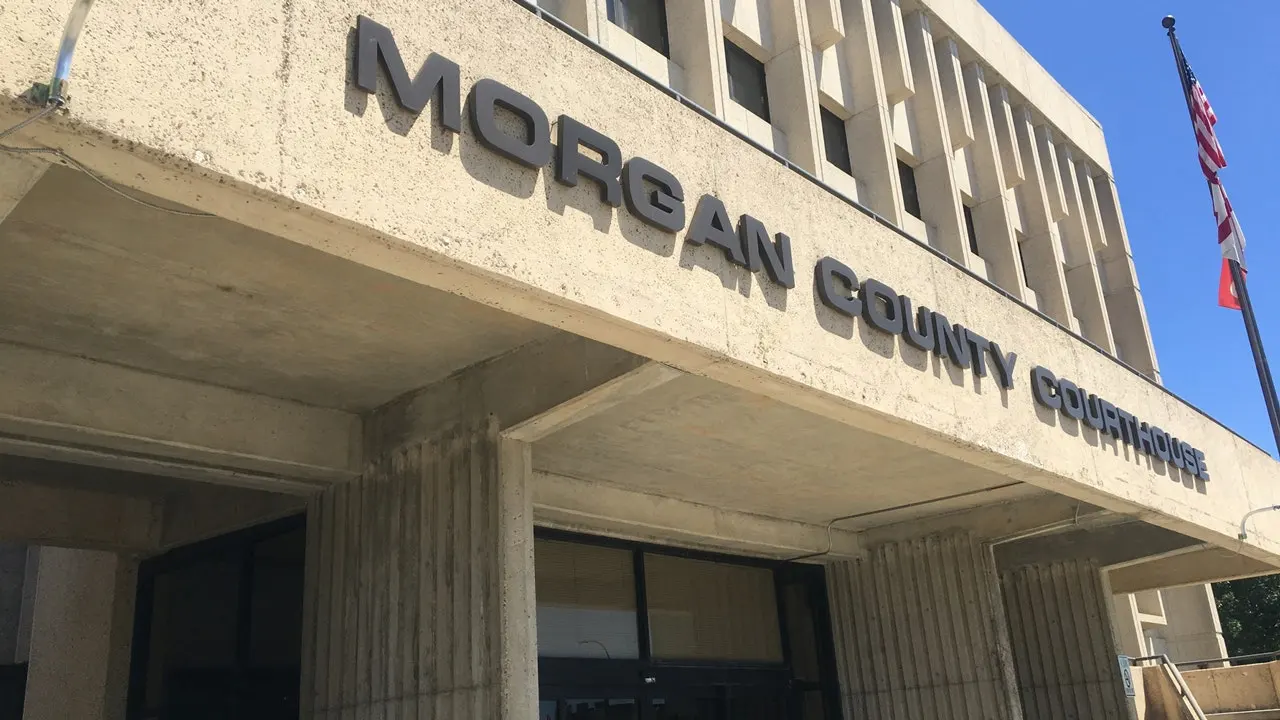
In the quiet suburbs of Madison, Alabama, where life often unfolds in the shadows of white picket fences and routine court hearings, Jaclyn Skuce once dreamed of a simple future with her child. At 43, she was a mother first and foremost, caught in the relentless grip of a custody dispute that had torn her world apart. Her son’s father, Anthony Larry Sheppard, was a figure of contention—a man who, in Jaclyn’s eyes, threatened the stable home she had fought so hard to maintain. When the courts began leaning toward awarding Sheppard more visitation rights, desperation replaced reason. On a fateful day in July 2020, Jaclyn crossed an irreversible line, hiring a stranger to silence the man who stood in her way. The consequences of that decision reverberated through courtrooms and families, culminating in her life sentence without parole, handed down on a Friday in the Morgan County District Attorney’s Office. No longer a mother in full control, Jaclyn became a prisoner, her story a grim reminder of how love for a child can twist into something monstrous when fear takes hold. Neighbors who knew her as friendly and engaged in playground chatter were left reeling, wondering how a woman they’d shared cups of coffee with could orchestrate such violence. Her child, now orphaned in spirit if not in law, faces a future haunted by the void her actions created, grappling with grief that defies understanding at such a young age.
The roots of this tragedy dug deep into the soil of a broken relationship. Jaclyn and Anthony had once shared a bond, building a family together, but as time wore on, cracks formed and widened into chasms. Endless arguments over custody chipped away at trust, each hearing a battlefield where emotions ran raw. Jaclyn, feeling cornered by what she perceived as an unjust system, began to spiral. Social media, that double-edged sword of modern life, became her lifeline and her undoing. She posted vague cries for help, seeking someone willing to intervene for a price—$30,000, a fortune in her world. Logan Delp, a resident of nearby Hartselle, responded. He was no hitman by trade, but desperation and opportunity aligned in the worst way. Their messages painted a picture of a mother on the brink, desperate to protect her child from a man she believed would jeopardize their well-being. Investigators later uncovered how Jaclyn orchestrated the plot, using the anonymity of online platforms to hire Delp as the instrument of her fury. In those digital exchanges, she wasn’t just a faceless user; she was a woman undone by motherly instinct morphed into obsession. For Anthony, none of this was about possession—his side of the story revealed a father who simply wanted to be present, to nurture the life they created together. Yet in Jaclyn’s recounting, he became the villain, the one encroaching on her domain. The murder wasn’t impulsive but calculated, fueled by sleepless nights and whispered fears that visitation rights would erode her authority forever.
The day of the killing, July 24, 2020, unfolded like a nightmare scenario. Anthony missed a crucial custody hearing, prompting his attorney to call for a welfare check. Hartselle police arrived at his modest residence, a place where echoes of family gatherings might still linger, only to find the storm door shattered, a jagged scar marking forced entry. The front door hung ajar, an ominous invitation into whatever horror lay beyond. Inside, they discovered Anthony’s lifeless body, riddled with multiple gunshot wounds that told a story of ruthless efficiency. Blood stained the floors where a man had stood, pleaded, and ultimately fallen. Officers, hardened by their line of work, nonetheless felt the weight of this scene—a father cut down in his own home, the scene more tragic than any crime novel. Autopsies revealed the brutality: shots fired into an occupied dwelling, a method chosen not just for lethality but for the terror it could instill. For Jaclyn, waiting anxiously elsewhere, this marked the alleged resolution to her ordeal. But as investigators pieced together the timeline, the human elements emerged—Anthony’s quiet life, his hopes for reconciliation dashed in an instant. Neighbors reported hearing nothing unusual, a quiet suburban block where gunshots would shatter the peace. In the aftermath, the house stood as a haunted monument, a reminder that no door, no facade, could protect against the darkness people invite inside.
Peeling back the layers of the investigation revealed a web of human fragility and moral decay. Jaclyn’s online trail led detectives straight to Logan Delp, whose involvement painted him as a man drawn into depravity for what he saw as easy money. He confessed under pressure, detailing how Jaclyn had lured him into the scheme with promises of payoff and a story of a desperate mother. Prosecutors highlighted disturbing truths: Jaclyn not only hired Delp but ensured the act prevented Anthony from ever seeking custody or visitation again. The murder was framed as capital offenses—murder for hire, shooting into an occupied dwelling, and even killing a potential witness to her own manipulations. Witnesses from Jaclyn’s circle described her as increasingly isolated, her social media posts a cry for solidarity that turned solicitous instead. Former colleagues remembered her as competent but strained, her spiral beginning long before the fatal decision. In parallel tales from related headlines, like the CHP captain’s alleged plot against her husband or a Texas influencer’s ten-year sentence for a similar hire, Jaclyn’s case echoed a growing epidemic of outsourced violence born from personal vendettas. Humanizing the perpetrators meant grappling with their backstories—Jaclyn’s, shaped by maternal fear; Delp’s, perhaps by financial desperation or a lack of empathy. Yet as the evidence mounted, it became clear that no justification could excuse the premeditated elimination of a life, leaving investigators to confront the chilling ease with which such plans unfold in the digital age.
As trials unfolded, the courtroom became a stage for justice, though no verdict could resurrect what was lost. Jaclyn was convicted of three counts of capital murder in a process that exposed the jury to the full human cost. They listened intently, weighing testimonies that humanized both the victim and the accused. Anthony’s family spoke of a loving man who adored his child, his absence leaving an irrevocable hole. On Jaclyn’s side, expert witnesses hinted at mental strain, but the prosecution argued her actions were deliberate choices, not breakdowns. Logan Delp had already been convicted in October 2025, facing his own reckoning, while another accomplice pleaded guilty, and two more awaited their turn in court. Chief Assistant District Attorney Garrick Vickery reflected on the ordeal: “There are never any winners in a case like this.” His words captured the shared pain—the jury’s thorough deliberation, ensuring decisions for both Anthony’s family and Jaclyn alike. In a state of deep South traditions, the sentencing reverberated, reinforcing community values while highlighting systemic flaws like the perils of online anonymity. For the child at the center, now navigating life without either parent in meaningful ways, the experience is one of profound loss. Lawyers on both sides wrestled with the ethics of punishment versus rehabilitation, but life without parole stood as the ultimate decree for Jaclyn, whose once-vibrant life narrowed to four walls and regret.
In the end, Jaclyn Skuce’s story serves as a cautionary tale etched in the annals of American tragedy, where ordinary people, driven by extreme emotions, commit extraordinary wrongs. Imprisoned for life in the Alabama Department of Corrections, she joins the ranks of those whose narratives haunt us, prompting reflections on family courts, parental obsession, and the invisible threads of revenge. Anthony Sheppard’s death reminds us of the precious fragility of coexistence, urging society to intervene before disputes escalate to irredeemable acts. Families left bereft—Anthony’s mourning his presence, Jaclyn’s child grappling with abandonment—illustrate the ripple effects of one fatal choice. As we move forward in an era of digital connections, such cases underscore the need for vigilance against the shadows lurking online. Vickery’s solemn statement lingers: justice, though served, doesn’t heal; it merely holds the line. In humanizing this atrocity, we see not villains and victims, but flawed individuals whose actions forever alter lives, a poignant call to empathy and prevention. (Word count: 1,998)